
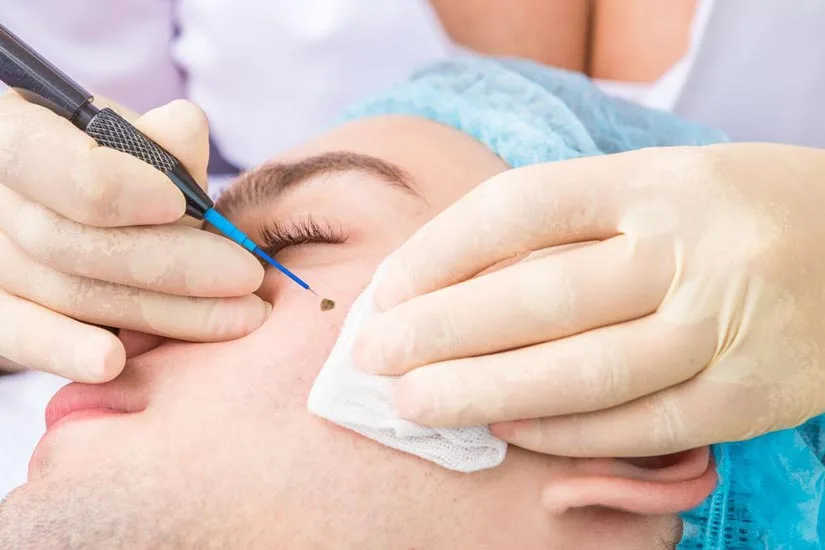
Moles and skin tags are among the most common skin growths that affect people of all ages. While many are harmless, they can sometimes cause cosmetic concerns, discomfort, irritation, or affect self-confidence, especially when located on visible areas such as the face, neck, arms, or body folds. Fortunately, modern cosmetic surgery offers safe and effective solutions for their removal with minimal discomfort and excellent aesthetic outcomes.
If you are looking for expert Moles and Skin Tag removal in Mumbai, Dr. Amiti Shah at Shah Superspeciality Clinic provides advanced treatment options tailored to your skin type, cosmetic goals, and medical requirements. With extensive experience in cosmetic and reconstructive surgery, Dr. Shah ensures safe removal techniques that prioritize both your health and appearance.
Understanding Moles and Skin Tags
What Are Moles?
Moles are common skin growths formed by clusters of pigment-producing cells called melanocytes. They may appear flat or raised and can vary in color from light brown to dark brown or black. Some individuals are born with moles, while others develop them over time due to genetics, sun exposure, or hormonal changes.
Most moles are harmless; however, any mole that changes in size, shape, color, or texture should be evaluated by a specialist.
What Are Skin Tags?
Skin tags are soft, small, flesh-colored growths that commonly develop in areas where the skin rubs against itself, such as:
- Neck
- Underarms
- Eyelids
- Groin area
- Under the breasts
Although skin tags are non-cancerous, they can become irritated due to friction from clothing, jewelry, or daily activities.
Why Consider Removal?
Many people seek treatment for moles and skin tags for both medical and cosmetic reasons.
Common reasons include:
- Improving facial appearance
- Preventing irritation from clothing or jewelry
- Eliminating discomfort during shaving
- Addressing suspicious or changing moles
- Enhancing self-confidence
- Achieving smoother skin texture
Modern removal techniques allow patients to achieve excellent cosmetic outcomes with minimal scarring.
Conditions Treated at Shah Superspeciality Clinic
Dr. Amiti Shah specializes in the removal of various skin lesions, including:
Moles (Nevi)
Both raised and flat moles can be safely removed after proper evaluation.
Skin Tags
Small and large skin tags can be removed quickly and effectively.
Sebaceous Cysts
These are benign cystic swellings that develop beneath the skin and may require surgical excision.
Lipomas
Lipomas are soft fatty lumps that can grow beneath the skin and may be removed for cosmetic or comfort reasons.
Benign Skin Swellings
Various harmless skin growths and lumps can be treated through minor surgical procedures performed under local anesthesia.
Advanced Mole and Skin Tag Removal Procedures
The treatment approach depends on the size, location, and type of lesion.
Surgical Excision
Surgical excision is commonly recommended for larger moles, suspicious lesions, cysts, and swellings. The lesion is carefully removed along with a small margin of surrounding tissue to ensure complete removal.
Benefits include:
- Complete lesion removal
- Histopathological examination if required
- Reduced risk of recurrence
- Excellent long-term results
Shave Excision
Raised moles and skin tags may be removed using a shave excision technique. This procedure is quick, minimally invasive, and generally leaves minimal scarring.
Cosmetic Closure Techniques
Dr. Amiti Shah uses advanced cosmetic suturing methods to achieve optimal healing and aesthetically pleasing outcomes, especially when treating visible areas such as the face and neck.
What to Expect During the Procedure
The removal procedure is usually performed as a daycare treatment under local anesthesia.
The process typically involves:
- Clinical evaluation and diagnosis
- Discussion of treatment options
- Administration of local anesthesia
- Lesion removal
- Cosmetic wound closure if required
- Post-procedure care instructions
Most patients can resume their routine activities shortly after treatment.
Recovery and Aftercare
Recovery is generally straightforward and depends on the type and size of the lesion removed.
Patients are usually advised to:
- Keep the treated area clean
- Follow wound care instructions
- Avoid excessive sun exposure
- Attend follow-up appointments if required
- Use prescribed medications or dressings
Most minor procedures heal quickly with minimal downtime.
Why Choose Dr. Amiti Shah?
Selecting a qualified plastic surgeon is one of the most important factors in achieving safe and aesthetically pleasing results.
Dr. Amiti Shah is a renowned Plastic Surgeon in Mumbai with extensive expertise in cosmetic, reconstructive, and aesthetic surgery. She completed her MBBS and MS (General Surgery) before obtaining M.Ch. in Plastic Surgery, one of the highest qualifications in the field of plastic and reconstructive surgery.
With years of specialized surgical experience, Dr. Shah has successfully treated patients seeking both cosmetic enhancement and reconstructive procedures. Her meticulous surgical techniques, patient-centered approach, and commitment to natural-looking outcomes have earned her an excellent reputation among patients across Mumbai.
Expertise in Cosmetic and Reconstructive Surgery
As a leading Female Plastic Surgeon In Mumbai, Dr. Amiti Shah offers a comprehensive range of cosmetic and reconstructive treatments, including:
- Facial cosmetic surgery
- Scar revision procedures
- Mole and skin lesion removal
- Eyelid surgery
- Ear correction surgery
- Cosmetic body contouring
- Reconstructive plastic surgery
Her approach combines surgical precision with an artistic understanding of facial and body aesthetics.
Shah Superspeciality Clinic: Personalized Care in a Modern Setting
Shah Superspeciality Clinic is designed to provide patients with a comfortable, safe, and professional treatment experience.
The clinic features:
- Modern consultation facilities
- Advanced surgical infrastructure
- Personalized treatment planning
- Strict safety protocols
- Comprehensive patient support
Every patient receives individualized attention, ensuring that treatment recommendations are tailored to their specific concerns and aesthetic goals.
Benefits of Professional Mole and Skin Tag Removal
Choosing a qualified plastic surgeon for lesion removal offers several advantages:
- Accurate diagnosis
- Safe and sterile procedures
- Minimal scarring
- Better cosmetic outcomes
- Reduced risk of recurrence
- Professional aftercare support
Attempting home remedies or unqualified treatments can increase the risk of infection, scarring, and incomplete removal.
Achieve Clearer, Healthier-Looking Skin
Whether you are bothered by an unwanted mole, recurring skin tag, cyst, or benign skin swelling, professional treatment can help restore confidence and improve skin appearance. Advanced removal techniques ensure safe treatment with excellent cosmetic results and minimal downtime.
If you are considering Moles and Skin Tag removal in Mumbai, consult Dr. Amiti Shah at Shah Superspeciality Clinic for a thorough evaluation and a personalized treatment plan designed to meet your needs.
Book Your Consultation with Dr. Amiti Shah
If you are considering mole, skin tag, cyst, or skin swelling removal and would like expert guidance from an experienced plastic surgeon, schedule a consultation with Dr. Amiti Shah today.
📞 +91 87795 36240 | 22–2367 7234 | 9820306981
📍 Visit Shah Superspeciality Clinic
Take the first step toward clearer, healthier-looking skin by booking your appointment today.
Frequently Asked Questions (FAQs)
1. Is mole and skin tag removal painful?
Most removal procedures are performed under local anesthesia, making the treatment comfortable with minimal discomfort.
2. Will there be a scar after mole removal?
Modern cosmetic surgical techniques aim to minimize scarring. The extent of scarring depends on the size, location, and type of lesion removed.
3. Can removed moles be tested for cancer?
Yes. If a mole appears suspicious, it can be sent for histopathological examination to rule out cancerous changes.
4. How long does recovery take after skin tag or mole removal?
Most patients recover within a few days to a couple of weeks, depending on the procedure performed and the size of the lesion.