
Chronic back pain, neck pain, sciatica, and spinal disorders can significantly affect mobility, productivity, and quality of life. While many spine conditions respond well to medications, physiotherapy, and lifestyle modifications, some cases require surgical intervention when conservative treatments fail to provide adequate relief. Fortunately, advances in spine surgery have transformed the way many spinal conditions are treated.
Today, Minimally invasive spine surgery in Mumbai offers patients an effective alternative to traditional open spine surgery. By utilizing smaller incisions, advanced imaging technology, and specialized surgical techniques, minimally invasive procedures can help reduce pain, shorten recovery time, and improve surgical outcomes.
Minimally Invasive Spine Surgery in Mumbai for Effective Spine Treatment
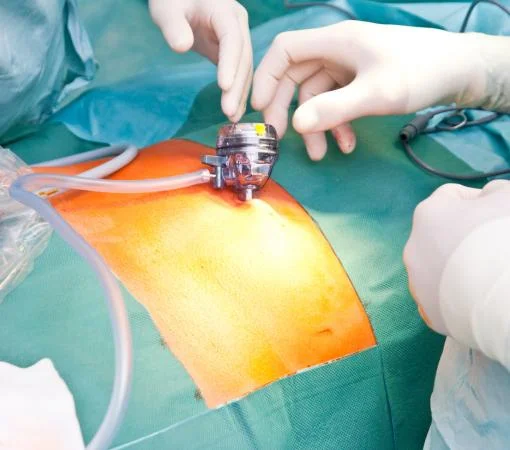
Minimally invasive spine surgery in Mumbai is an advanced surgical approach used to treat various spinal disorders through small incisions while minimizing disruption to surrounding muscles and tissues. Unlike traditional open surgery, these procedures use specialized instruments and imaging guidance to access the spine with greater precision.
The primary goal is to address the underlying spinal condition while reducing surgical trauma and promoting faster recovery.
Minimally invasive techniques are increasingly preferred because they offer excellent clinical outcomes with less postoperative discomfort.
What is Minimally Invasive Spine Surgery?
Minimally invasive spine surgery (MISS) refers to a group of advanced surgical procedures performed through small incisions using specialized instruments, microscopes, or endoscopic technology.
The procedure aims to:
- Relieve nerve compression
- Remove herniated disc material
- Stabilize the spine
- Correct structural abnormalities
- Reduce chronic spinal pain
- Improve mobility and function
Because surrounding tissues are preserved as much as possible, patients often experience faster healing compared to traditional surgery.
Conditions Treated with Minimally Invasive Spine Surgery
MISS can be used to treat a wide range of spinal conditions.
Herniated Disc
Disc material pressing on nearby nerves can cause pain, numbness, and weakness.
Sciatica
Compression of spinal nerves may result in radiating leg pain that affects daily activities.
Spinal Stenosis
Narrowing of the spinal canal can place pressure on nerves and cause significant discomfort.
Degenerative Disc Disease
Age-related degeneration of spinal discs may contribute to chronic neck or back pain.
Spondylolisthesis
Vertebral slippage can lead to instability and nerve compression.
Spinal Instability
Certain conditions may require stabilization procedures to restore proper spinal alignment.
Benefits of Minimally Invasive Spine Surgery
Compared to traditional open surgery, minimally invasive procedures offer several advantages.
Smaller Incisions
Smaller surgical openings reduce tissue disruption and scarring.
Less Blood Loss
The precision of the procedure often minimizes bleeding during surgery.
Reduced Pain
Patients typically experience less postoperative discomfort.
Faster Recovery
Many individuals return to normal activities sooner than with conventional surgery.
Shorter Hospital Stay
Hospitalization is often reduced depending on the procedure performed.
Lower Risk of Complications
Smaller incisions may reduce the risk of infection and other complications.
Improved Surgical Precision
Advanced imaging technology helps surgeons target affected areas accurately.
Common Minimally Invasive Spine Procedures
Microdiscectomy
A procedure performed to remove disc material compressing spinal nerves.
Endoscopic Spine Surgery
A highly specialized technique using an endoscope for enhanced visualization and precision.
Minimally Invasive Decompression
Used to relieve pressure on nerves caused by spinal stenosis.
Minimally Invasive Spinal Fusion
A stabilization procedure performed through smaller incisions than traditional fusion surgery.
Image-Guided Spine Procedures
Advanced imaging improves accuracy and enhances patient safety.
Who is a Candidate for Minimally Invasive Spine Surgery?
You may be a suitable candidate if you:
- Have persistent neck or back pain
- Experience sciatica symptoms
- Have a herniated disc
- Suffer from spinal stenosis
- Have nerve compression causing weakness or numbness
- Have not responded to conservative treatment
- Require surgical management of a spinal condition
A comprehensive evaluation helps determine whether minimally invasive surgery is the most appropriate treatment option.
Meet the Synapse Spine Surgeons – Experts in Advanced Spine Care
Successful spine surgery requires extensive training, experience, and precision.
The Synapse Spine surgeons are highly qualified spine specialists with advanced training in modern spinal surgery and comprehensive spine care. Their expertise includes minimally invasive procedures, endoscopic spine surgery, spinal deformity correction, spinal fusion, degenerative spine disorders, and complex nerve compression syndromes.
Recognized among the Top Spine Specialist in Mumbai, India, the team combines extensive clinical experience with evidence-based treatment protocols to provide individualized care for every patient. Their multidisciplinary approach focuses on accurate diagnosis, personalized treatment planning, and optimal long-term outcomes.
Patients benefit from expert evaluation, advanced surgical technologies, and a commitment to delivering the highest standards of spine care.
Why Choose Synapse Spine?
Synapse Spine is dedicated exclusively to the diagnosis and treatment of spinal disorders.
Patients benefit from:
- Advanced spine diagnostics
- State-of-the-art surgical technology
- Specialized spine expertise
- Modern operation facilities
- Personalized treatment plans
- Comfortable clinical environment
- Comprehensive rehabilitation support
- Patient-centered care
The clinic’s focus on innovation and excellence helps ensure superior treatment outcomes.
Recovery After Minimally Invasive Spine Surgery
Recovery varies depending on the procedure and individual health factors.
Patients may experience:
- Reduced postoperative pain
- Faster mobility
- Shorter hospitalization
- Earlier return to daily activities
- Progressive improvement in symptoms
A structured rehabilitation program helps maximize recovery and long-term spine health.
Why Choose Synapse Spine for Spine Surgery?
The Synapse Spine team combines advanced technology, surgical expertise, and personalized care to deliver outstanding treatment outcomes. Their experience in minimally invasive techniques allows patients to benefit from modern procedures designed to improve recovery and reduce surgical impact.
Whether treating a herniated disc, spinal stenosis, or chronic nerve compression, the team develops customized treatment plans focused on restoring mobility and quality of life.
Book Your Consultation Today
If chronic spine pain is affecting your daily life, expert evaluation can help determine the most effective treatment approach.
Contact Details
📞 +91 81698 45056 | +91 93726 71858 | +91 93211 24611
📧 synapsespine@gmail.com
Get Directions to the Clinic – Synapse Spine, Mumbai for clinic location details, appointment scheduling, and consultation assistance.
Ready to take the next step toward a pain-free and active life? Schedule a consultation with the expert team at Synapse Spine today. Discover advanced minimally invasive spine surgery solutions designed to reduce pain, restore mobility, and help you return to the activities you enjoy with confidence and comfort.
Frequently Asked Questions (FAQs)
1. What is minimally invasive spine surgery?
Minimally invasive spine surgery uses small incisions and specialized instruments to treat spinal conditions while minimizing damage to surrounding tissues.
2. Is minimally invasive spine surgery safer than traditional surgery?
Many patients benefit from reduced tissue trauma, less blood loss, and faster recovery, though suitability depends on the specific condition.
3. How long is recovery after minimally invasive spine surgery?
Recovery varies based on the procedure performed, but many patients return to normal activities sooner than with traditional open surgery.
4. Which spinal conditions can be treated with minimally invasive techniques?
Conditions such as herniated discs, spinal stenosis, sciatica, degenerative disc disease, and spinal instability may be treated using minimally invasive approaches.