
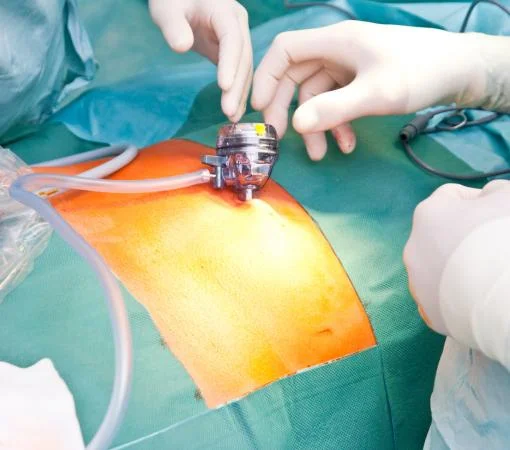
Chronic back pain, spinal instability, degenerative disc disease, and certain spinal deformities can significantly affect a person’s quality of life. When conservative treatments such as medications, physiotherapy, and injections fail to provide lasting relief, spinal fusion surgery may be recommended to stabilize the spine and reduce pain.
If you are considering Spinal fusion surgery in Mumbai, it is important to understand the procedure, its benefits, recovery process, and the importance of choosing experienced spine specialists. At Synapse Spine, patients receive comprehensive evaluation, advanced surgical care, and personalized treatment plans from highly skilled spine surgeons dedicated to restoring spinal health and mobility.
Spinal Fusion Surgery in Mumbai: Understanding the Procedure
Spinal fusion surgery is a procedure that permanently joins two or more vertebrae in the spine. By eliminating movement between unstable spinal segments, the surgery helps reduce pain, improve stability, and prevent further spinal degeneration.
The procedure involves:
- Removing damaged spinal structures if necessary
- Placing bone graft material between vertebrae
- Using screws, rods, or cages for stabilization
- Encouraging the vertebrae to fuse into a single solid bone over time
Spinal fusion can be performed in the cervical (neck), thoracic (mid-back), or lumbar (lower back) regions depending on the patient’s condition.
Conditions That May Require Spinal Fusion Surgery
Spinal fusion is commonly recommended for patients with:
Degenerative Disc Disease
Age-related wear and tear can cause spinal instability and chronic pain.
Spondylolisthesis
A condition where one vertebra slips over another, causing nerve compression and instability.
Spinal Stenosis
Narrowing of the spinal canal can lead to nerve compression and significant discomfort.
Scoliosis and Spinal Deformities
Spinal fusion helps correct abnormal spinal curvature and improve stability.
Herniated Disc with Instability
In selected cases, spinal fusion may be combined with decompression procedures.
Spinal Trauma
Fractures and severe injuries may require stabilization through fusion surgery.
Symptoms That May Indicate the Need for Surgery
Patients may be candidates for spinal fusion if they experience:
- Chronic back or neck pain
- Pain radiating into the arms or legs
- Numbness or tingling
- Muscle weakness
- Difficulty standing or walking
- Spinal instability
- Reduced quality of life despite conservative treatment
A detailed evaluation by a spine specialist helps determine whether surgery is appropriate.
Benefits of Spinal Fusion Surgery
Improved Spinal Stability
Fusion eliminates excessive movement between vertebrae and provides structural support.
Reduced Pain
Many patients experience significant relief from chronic pain after surgery.
Improved Function
The procedure often improves mobility and daily functioning.
Prevention of Further Degeneration
Stabilizing the spine can help prevent worsening of certain spinal conditions.
Enhanced Quality of Life
Patients often regain independence and return to activities they previously found difficult.
Minimally Invasive Spinal Fusion Techniques
Modern spine surgery has evolved significantly, allowing many procedures to be performed using minimally invasive techniques.
Advantages include:
- Smaller incisions
- Reduced blood loss
- Less tissue damage
- Shorter hospital stay
- Faster recovery
- Reduced post-operative discomfort
At Synapse Spine, surgeons utilize advanced technology and evidence-based techniques whenever appropriate to optimize patient outcomes.
Why Choose Synapse Spine for Spinal Fusion Surgery?
Successful spinal surgery requires specialized expertise, advanced technology, and a patient-focused approach.
Meet the Synapse Spine Surgeons
The Synapse Spine surgeons are highly qualified specialists with extensive training in spine surgery, spinal disorders, and minimally invasive surgical techniques. Their expertise covers a wide range of spinal conditions, from common degenerative disorders to complex spinal deformities.
They remain committed to delivering personalized care and achieving the best possible outcomes for every patient.
Extensive Clinical Experience
The surgical team has vast experience in managing:
- Degenerative disc disease
- Spinal stenosis
- Spondylolisthesis
- Herniated discs
- Spinal deformities
- Revision spine surgery
- Complex spinal trauma
This extensive experience allows them to develop individualized treatment plans tailored to each patient’s needs.
Advanced Surgical Expertise
The Synapse Spine team is experienced in:
- Minimally invasive spine surgery
- Spinal decompression procedures
- Spinal fusion techniques
- Motion preservation strategies
- Complex reconstructive spine surgery
Their goal is to provide effective treatment while minimizing recovery time and maximizing long-term outcomes.
State-of-the-Art Infrastructure at Synapse Spine
Patients undergoing Spinal fusion surgery in Mumbai at Synapse Spine benefit from modern facilities designed to support safe and successful treatment.
The center offers:
- Advanced diagnostic imaging
- Modern operation theatres
- High-precision surgical equipment
- Comprehensive rehabilitation programs
- Personalized recovery support
Every aspect of care is focused on patient safety, comfort, and long-term spinal health.
Why Synapse Spine Is Recognized as a Top Spine Specialist in Mumbai, India
Choosing a trusted Top Spine Specialist in Mumbai, India can significantly influence treatment outcomes.
Synapse Spine is known for:
- Specialized spine care
- Advanced surgical expertise
- Patient-centered treatment planning
- Minimally invasive solutions
- Comprehensive rehabilitation programs
Patients benefit from a multidisciplinary approach that focuses on both symptom relief and long-term recovery.
Recovery After Spinal Fusion Surgery
Recovery varies depending on the extent of surgery and individual health factors.
Patients can generally expect:
- Early mobilization after surgery
- Gradual reduction in pain
- Structured rehabilitation programs
- Progressive return to daily activities
- Continued spinal healing over several months
Following post-operative instructions and physiotherapy recommendations is essential for successful recovery.
Long-Term Outcomes
Many patients experience:
- Significant pain relief
- Improved mobility
- Better spinal stability
- Enhanced quality of life
- Return to normal activities
Long-term success depends on proper rehabilitation, healthy lifestyle choices, and regular follow-up care.
Schedule Your Consultation at Synapse Spine
If chronic back or neck pain is affecting your quality of life, consult the spine specialists at Synapse Spine to explore your treatment options.
Contact Details
📞 +91 81698 45056 | +91 93726 71858 | +91 93211 24611
📧 synapsespine@gmail.com
Get Directions to the Clinic – Synapse Spine, Mumbai and receive advanced spinal care from experienced specialists dedicated to helping you achieve lasting relief and improved mobility.
Don’t let spinal pain limit your life. Schedule a consultation with the expert team at Synapse Spine and discover personalized treatment solutions designed to restore your spinal health and overall well-being.
Frequently Asked Questions
1. What is spinal fusion surgery?
Spinal fusion surgery is a procedure that permanently joins two or more vertebrae to stabilize the spine and reduce pain caused by spinal instability.
2. How long does recovery take after spinal fusion surgery?
Recovery varies by patient and procedure, but most individuals gradually resume normal activities over several weeks to months with proper rehabilitation.
3. Is spinal fusion always performed using minimally invasive techniques?
Not always. The surgical approach depends on the patient’s condition, anatomy, and treatment requirements.
4. Who is a suitable candidate for spinal fusion surgery?
Patients with spinal instability, degenerative disc disease, spondylolisthesis, spinal deformities, or persistent symptoms that do not improve with conservative treatment may be candidates.