
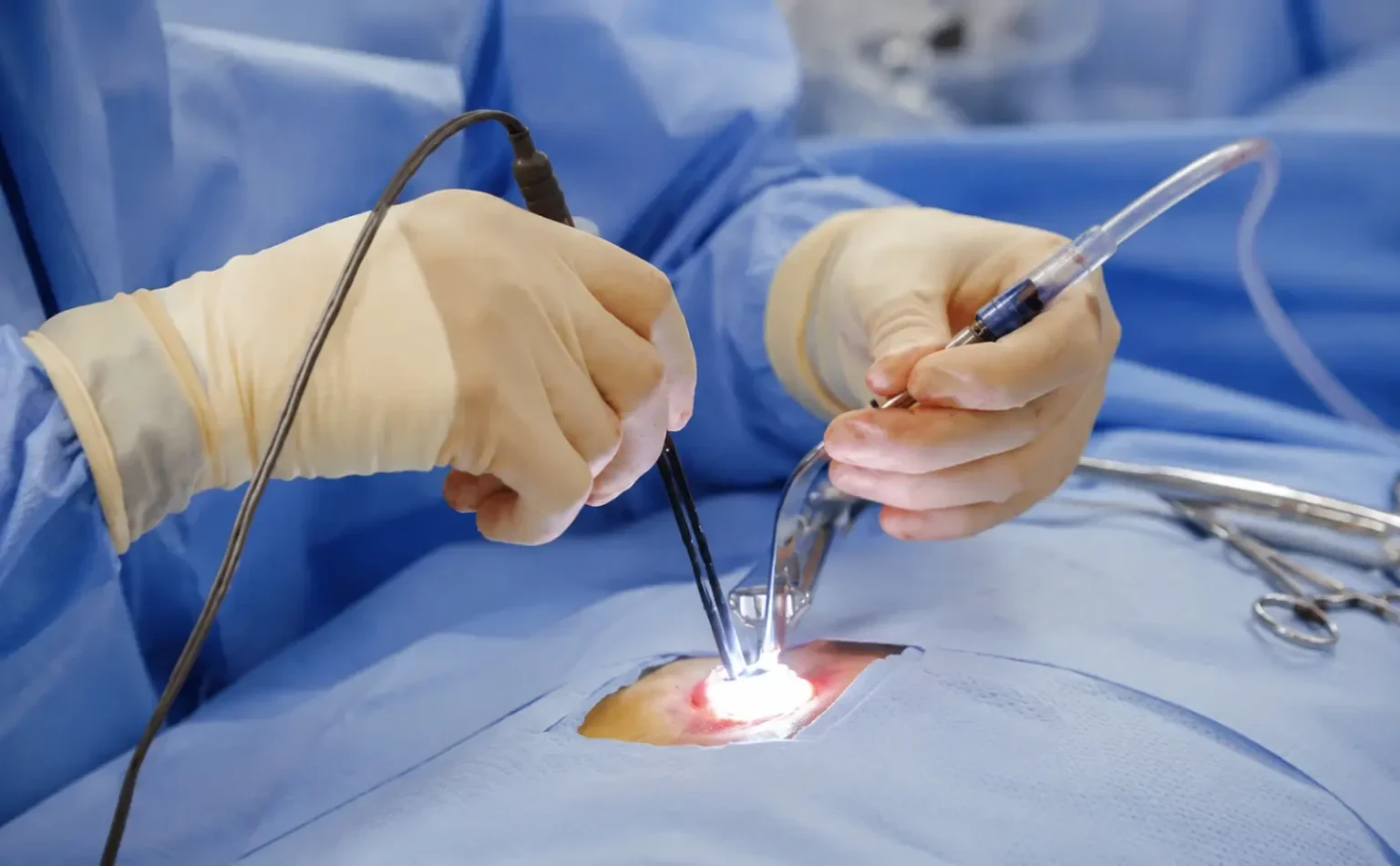
Back pain and spinal disorders are among the leading causes of disability worldwide, affecting people of all ages. Conditions such as slipped discs, spinal stenosis, sciatica, fractures, and degenerative spine diseases can significantly limit mobility, productivity, and quality of life. While many patients respond to medications and physiotherapy, some require surgical intervention for lasting relief.
Modern advancements in spine surgery have transformed patient outcomes through minimally invasive techniques that reduce pain, shorten hospital stays, and promote faster recovery. If you are searching for Minimally Invasive Spine Surgery in Mumbai, Dr. Manish Baldia offers comprehensive spine care using advanced surgical technologies and evidence-based treatment protocols at Lalbaug Diagnostics.
What Is Minimally Invasive Spine Surgery?
Minimally Invasive Spine Surgery (MISS) is an advanced surgical approach that treats spinal disorders through small incisions using specialized instruments, high-definition cameras, microscopes, and image-guided technology. Unlike conventional open spine surgery, minimally invasive procedures minimize damage to surrounding muscles and tissues.
The primary goals of MISS are to:
- Relieve nerve compression
- Restore spinal stability
- Reduce pain
- Improve mobility
- Enable faster recovery
- Minimize surgical trauma
Depending on the patient’s condition, surgery may be performed using microscopic, endoscopic, or navigation-assisted techniques.
Conditions Treated with Minimally Invasive Spine Surgery
Dr. Manish Baldia treats a wide range of spinal disorders, including:
- Lumbar disc prolapse (slipped disc)
- Cervical disc herniation
- Sciatica
- Spinal stenosis
- Degenerative disc disease
- Spondylolisthesis
- Spine fractures
- Spinal infections
- Spine tumors
- Chronic neck and back pain requiring surgical treatment
Every patient undergoes a detailed clinical evaluation before surgery is recommended.
Common Symptoms That Require Spine Evaluation
You should consult a spine specialist if you experience:
- Persistent back pain
- Neck pain lasting several weeks
- Pain radiating to the arms or legs
- Numbness or tingling
- Muscle weakness
- Difficulty walking
- Loss of balance
- Difficulty standing for prolonged periods
- Bladder or bowel dysfunction associated with spinal symptoms
Early diagnosis often prevents disease progression and improves treatment outcomes.
Advantages of Minimally Invasive Spine Surgery
Compared with traditional open surgery, minimally invasive techniques offer several benefits:
- Smaller incisions
- Less blood loss
- Reduced postoperative pain
- Lower infection risk
- Minimal muscle damage
- Faster recovery
- Shorter hospital stay
- Earlier return to work
- Smaller scars
These advantages make minimally invasive surgery an excellent option for appropriately selected patients.
The Treatment Process
Dr. Baldia follows a structured, patient-centered approach.
Comprehensive Evaluation
Patients undergo:
- Detailed neurological examination
- MRI or CT scan evaluation
- X-rays when required
- Assessment of spinal alignment
- Functional evaluation
Personalized Treatment Planning
Not every spinal condition requires surgery. Conservative treatment such as medications, physiotherapy, injections, and rehabilitation may be recommended before surgical intervention.
Advanced Surgical Techniques
When surgery becomes necessary, the most suitable minimally invasive procedure is selected based on the patient’s diagnosis, spinal anatomy, and overall health.
Why Choose Dr. Manish Baldia?
Patients seeking advanced spine care trust Dr. Manish Baldia for his expertise in complex brain and spine disorders.
Dr. Manish Baldia is a highly qualified neurosurgeon specializing in minimally invasive spine surgery, brain surgery, neuro-oncology, neurotrauma, and functional neurosurgery. He completed his MBBS and advanced neurosurgical training before gaining extensive experience in managing complex neurological and spinal disorders. Throughout his career, he has successfully treated patients with degenerative spine disease, spinal trauma, brain tumors, movement disorders, and neurological conditions using modern surgical techniques.
His areas of expertise include:
- Minimally invasive spine surgery
- Endoscopic spine surgery
- Brain tumor surgery
- Functional neurosurgery
- Neurotrauma
- Spine trauma surgery
- Complex spinal reconstruction
- Microsurgical procedures
- Image-guided neurosurgery
- Movement disorder surgery
Patients looking for Deep Brain Stimulation Surgery in Mumbai also consult Dr. Baldia for his expertise in advanced functional neurosurgery for movement disorders, including Parkinson’s disease and dystonia.
Modern Infrastructure at Lalbaug Diagnostics
Dr. Manish Baldia consults at Lalbaug Diagnostics, where patients benefit from modern diagnostic support and coordinated neurological care.
The facility offers:
- Advanced imaging support
- Modern diagnostic technology
- Comprehensive neurological assessment
- Patient-friendly consultation environment
- Personalized treatment planning
- Multidisciplinary care when required
- Efficient follow-up services
This integrated approach enables accurate diagnosis and evidence-based treatment planning.
Recovery After Minimally Invasive Spine Surgery
Recovery is generally faster than with conventional open surgery.
Patients are encouraged to:
- Walk early after surgery
- Follow physiotherapy recommendations
- Maintain proper posture
- Avoid heavy lifting during recovery
- Attend scheduled follow-up visits
- Perform prescribed rehabilitation exercises
Most patients experience gradual improvement in pain, mobility, and daily functioning over the weeks following surgery.
Why Early Treatment Is Important
Ignoring persistent spinal symptoms can lead to progressive nerve damage, muscle weakness, and reduced quality of life. Seeking timely medical attention improves the chances of successful treatment and may prevent permanent neurological deficits.
If you are looking for the best doctor for parkinsons in mumbai, Dr. Manish Baldia also provides advanced evaluation and surgical management for selected patients with movement disorders through specialized functional neurosurgical procedures.
Choosing the right spine surgeon is essential for achieving the best possible outcome. For individuals seeking Minimally Invasive Spine Surgery in Mumbai, Dr. Manish Baldia combines extensive neurosurgical expertise, advanced technology, and individualized treatment planning to deliver safe, effective, and patient-centered spine care.
Schedule Your Consultation Today
Persistent back or neck pain should not prevent you from living an active life. Consult Dr. Manish Baldia for expert evaluation and advanced spine care tailored to your condition. Whether you require conservative management or minimally invasive surgery, receive a personalized treatment plan focused on restoring mobility, relieving pain, and improving your quality of life.
🕘 Consultation Hours: 9:00 AM – 9:00 PM
📞 Phone: 096767 67507
📍 Get Directions to the Clinic and book your appointment with Dr. Manish Baldia for comprehensive spine and neurosurgical care.
Frequently Asked Questions (FAQs)
1. Who is a suitable candidate for minimally invasive spine surgery?
Patients with conditions such as slipped discs, spinal stenosis, nerve compression, or degenerative spinal disorders that have not improved with conservative treatment may be suitable candidates after specialist evaluation.
2. Is minimally invasive spine surgery safer than traditional surgery?
For appropriately selected patients, minimally invasive techniques often reduce blood loss, postoperative pain, infection risk, and recovery time while achieving excellent surgical outcomes.
3. How long does recovery take after minimally invasive spine surgery?
Recovery varies depending on the procedure and individual health. Many patients begin walking within a day and return to light daily activities much sooner than after conventional open spine surgery.
4. When should I consult Dr. Manish Baldia?
You should seek consultation if you have persistent back or neck pain, radiating leg or arm pain, numbness, weakness, walking difficulties, or spinal symptoms that do not improve with conservative treatment.