
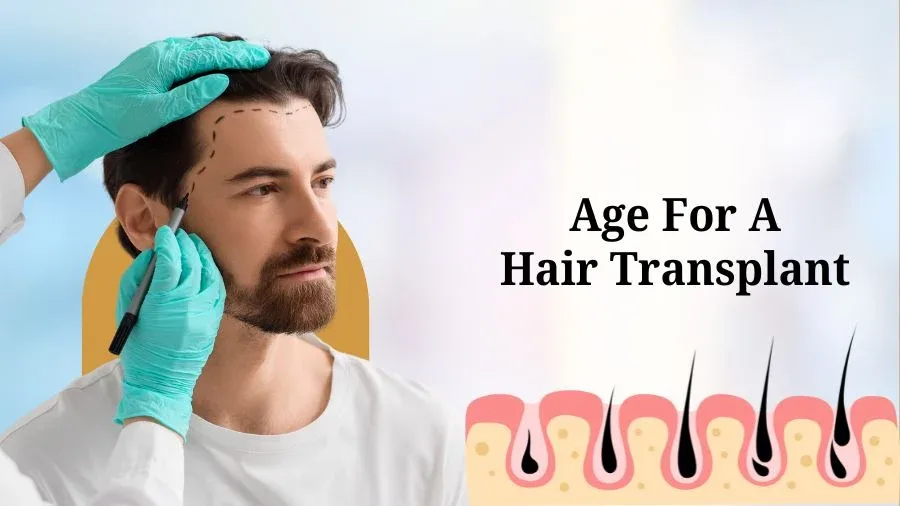
Hair loss is a common concern that affects both men and women, often impacting confidence and self-esteem. While medications and non-surgical treatments can slow hair thinning, a hair transplant remains one of the most effective long-term solutions for restoring natural hair growth. However, one of the most frequently asked questions is: What is the best age for a hair transplant?
The answer depends on several factors, including the cause of hair loss, its progression, family history, and the individual’s overall health. If you’re considering a hair transplant, consulting an experienced specialist is essential to determine the right timing and treatment plan.
Understanding Hair Transplant Surgery
A hair transplant is a minimally invasive procedure in which healthy hair follicles are harvested from the donor area—typically the back or sides of the scalp—and transplanted into areas experiencing thinning or baldness. Since the transplanted follicles are resistant to hair loss, they continue to grow naturally over time.
Modern techniques such as Follicular Unit Extraction (FUE) and Follicular Unit Transplantation (FUT) provide natural-looking results with minimal downtime and permanent improvement in hair density.
What Is the Best Age for a Hair Transplant?
The best age for a hair transplant is not determined by age alone. Instead, it depends on whether your hair loss pattern has stabilized and whether enough healthy donor hair is available.
Patients in Their 20s
Hair loss often begins during the early twenties due to androgenetic alopecia (male or female pattern baldness). However, undergoing a transplant too early may not always be advisable because hair loss can continue to progress, potentially requiring additional procedures later.
For younger patients, dermatologists often recommend medical treatments to stabilize hair loss before considering surgery.
Patients in Their 30s
The thirties are commonly considered an ideal period for many patients. By this stage, the pattern of hair loss is usually more predictable, allowing the surgeon to design a long-lasting and natural-looking hairline.
Patients also tend to have good donor hair quality, making transplantation more effective.
Patients in Their 40s and Beyond
Hair transplantation can also be highly successful in patients over 40 years of age, provided they have adequate donor hair and are in good general health.
Older patients often benefit from a well-established pattern of hair loss, allowing for more accurate treatment planning and realistic expectations.
Factors That Determine Hair Transplant Eligibility
Rather than focusing solely on age, specialists evaluate several important factors before recommending surgery.
These include:
- Stability of hair loss
- Extent of baldness
- Donor hair availability
- Hair density
- Scalp health
- Family history of baldness
- General medical condition
- Lifestyle factors
- Patient expectations
A comprehensive consultation helps determine the most suitable time for treatment.
Signs You May Be Ready for a Hair Transplant
You may be a suitable candidate if:
- Hair loss has remained relatively stable
- Non-surgical treatments have provided limited improvement
- You have healthy donor hair
- You are in good overall health
- You have realistic expectations regarding the outcome
- Hair loss is affecting your confidence and quality of life
An individualized assessment ensures that treatment is planned for optimal long-term results.
Why Choose Dr. Deepam Shah?
Patients looking for a trusted Dermatologist and Skin Specialist in Mumbai choose Dr. Deepam Shah for his expertise in clinical dermatology, hair restoration, and aesthetic medicine.
Dr. Deepam Shah is a highly qualified dermatologist and aesthetic physician with extensive experience in diagnosing and treating skin, hair, and scalp disorders. With advanced training in hair restoration procedures and cosmetic dermatology, he offers comprehensive solutions ranging from medical management of hair loss to advanced hair transplant surgery.
His areas of expertise include:
- Hair transplant surgery (FUE and FUT)
- PRP therapy for hair loss
- Medical treatment for androgenetic alopecia
- Scalp disorder management
- Acne and acne scar treatment
- Laser procedures
- Anti-aging treatments
- Skin rejuvenation
- Pigmentation treatment
- Cosmetic dermatology
Dr. Shah believes in offering customized treatment plans based on scientific evaluation rather than a one-size-fits-all approach, ensuring natural-looking and long-lasting results.
Advanced Hair Restoration at Viva Aesthetic Clinic
Viva Aesthetic Clinic provides comprehensive hair restoration services using modern technology in a comfortable and patient-friendly environment.
Patients benefit from:
- Advanced FUE hair transplant technology
- Modern dermatology equipment
- Sterile surgical environment
- Personalized treatment planning
- Detailed scalp analysis
- Experienced medical team
- Comprehensive postoperative care
- Long-term hair maintenance guidance
The clinic emphasizes patient safety, precision, and natural aesthetic outcomes throughout the treatment journey.
Preparing for a Hair Transplant
Proper preparation improves surgical outcomes.
Patients are generally advised to:
- Undergo a complete scalp evaluation
- Discuss medical history and medications
- Stop smoking if advised
- Follow preoperative instructions
- Maintain realistic expectations
- Continue recommended medical therapies when appropriate
Following your dermatologist’s guidance before and after the procedure helps achieve optimal hair growth.
Benefits of Choosing the Right Time
Waiting until hair loss stabilizes offers several advantages:
- Better long-term planning
- More natural-looking results
- Reduced likelihood of future corrective procedures
- Improved donor hair utilization
- Stable hairline design
- Higher patient satisfaction
Consulting an experienced Dermatologist in Mumbai ensures that the timing of surgery is based on careful clinical evaluation rather than age alone.
Choosing the right specialist is just as important as choosing the right time for surgery. Hair transplantation is a long-term investment in your appearance and confidence, and personalized planning plays a vital role in achieving successful outcomes. Whether you’re in your twenties, thirties, or beyond, expert evaluation helps determine the most effective treatment strategy for your unique hair loss pattern.
Schedule Your Hair Restoration Consultation Today
If you’re considering a hair transplant, the first step is a professional evaluation to determine the most appropriate treatment plan and timing for your individual hair loss pattern.
Consult Dr. Deepam Shah at Viva Aesthetic Clinic for expert advice, advanced hair restoration solutions, and personalized care designed to deliver natural-looking, long-lasting results.
Contact Details
📞 93245 89084 | ☎️ 022 3573 1556
📧 clinicvivacosmetic@gmail.com
📍 Visit Viva Aesthetic Clinic and book your personalized consultation with Dr. Deepam Shah to begin your journey toward healthier, fuller-looking hair.
Frequently Asked Questions (FAQs)
1. Is there a minimum age for a hair transplant?
There is no fixed minimum age, but most specialists recommend waiting until the pattern of hair loss becomes more predictable. Younger patients may initially benefit from medical therapy before considering surgery.
2. Can people over 50 undergo a hair transplant?
Yes. Age alone is not a limitation. Healthy individuals with adequate donor hair can achieve excellent results even after the age of 50.
3. Are hair transplant results permanent?
Yes. Transplanted follicles are typically resistant to pattern baldness and continue to grow naturally for many years, although existing non-transplanted hair may continue to thin over time.
4. How do I know if I am a suitable candidate?
A consultation with Dr. Deepam Shah includes scalp examination, assessment of donor hair, evaluation of hair loss progression, and discussion of treatment goals to determine whether hair transplantation is the right option.