
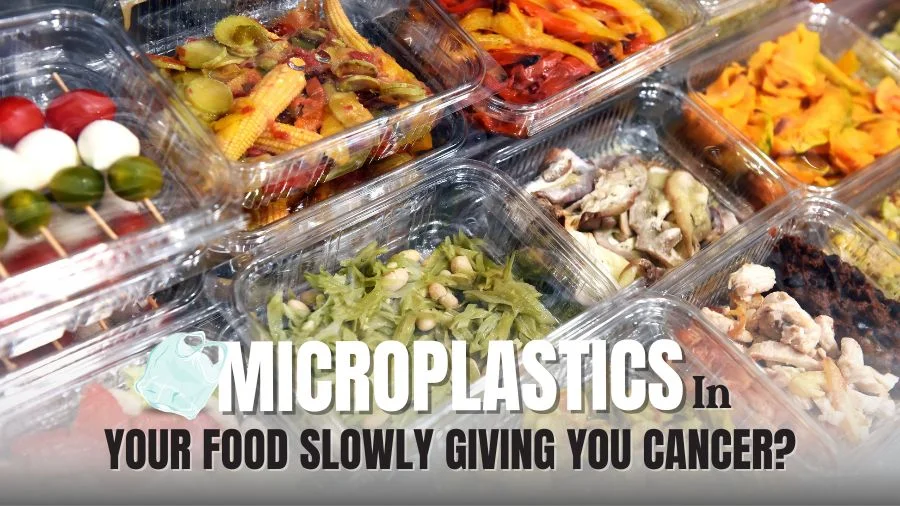
Microplastics have become an emerging public health concern due to their widespread presence in food, water, and the environment. As research continues to explore their long-term effects on human health, many people are asking an important question: Does Microplastics in food leads to Cancer? During my recent visit to Gadre Hospital, I had the opportunity to interact with Dr. Chintamani Godbole, an experienced Colorectal Surgeon in Mumbai, to understand the current scientific evidence surrounding microplastics, digestive health, and cancer risk. Our discussion emphasized the importance of interpreting emerging research carefully while adopting practical lifestyle measures to reduce unnecessary exposure.
Does Microplastics in Food Leads to Cancer?
The question “Microplastics in food leads to Cancer“ has gained significant attention as scientists investigate how tiny plastic particles interact with the human body. Microplastics are extremely small plastic fragments that can enter food through packaging, processing, environmental contamination, seafood, drinking water, and even airborne particles.
According to Dr. Chintamani Godbole, current research suggests that microplastics may contribute to chronic inflammation, oxidative stress, and alterations in the gut environment. However, while these mechanisms are biologically plausible and are being actively investigated, there is no definitive clinical evidence proving that microplastics directly cause cancer in humans. More long-term human studies are needed to establish a clear causal relationship.
Meet Dr. Chintamani Godbole – Colorectal Surgeon in Mumbai
Dr. Chintamani Godbole is a highly experienced Colorectal Surgeon in Mumbai specializing in diseases of the colon, rectum, anus, and gastrointestinal tract.
He completed his MBBS, followed by MS in General Surgery, and has undergone advanced training in colorectal surgery and gastrointestinal surgical oncology. Throughout his career, he has managed numerous patients with colorectal cancer, inflammatory bowel diseases, hemorrhoids, fistulas, and other complex gastrointestinal conditions.
During my visit, I observed that Gadre Hospital provides a modern, patient-focused clinical environment equipped with advanced diagnostic facilities, minimally invasive surgical technology, and comprehensive gastrointestinal care. Patients benefit from individualized consultations and evidence-based treatment planning.
His areas of expertise include:
- Colorectal cancer surgery
- Colon and rectal disorders
- Laparoscopic colorectal surgery
- Gastrointestinal cancer surgery
- Hemorrhoids
- Anal fistula
- Inflammatory bowel disease
- Colonoscopy-guided evaluation
- Digestive health management
What Are Microplastics?
Microplastics are plastic particles measuring less than five millimeters in size.
They originate from:
- Plastic food packaging
- Bottled water
- Synthetic textiles
- Cosmetic products
- Environmental pollution
- Degraded plastic waste
- Seafood exposed to marine pollution
Because they are so small, they may enter the human body through food, drinking water, or inhalation.
Why Are Scientists Concerned?
Researchers are studying whether microplastics may:
- Trigger chronic inflammation
- Increase oxidative stress
- Affect gut microbiota
- Disrupt hormonal balance
- Carry environmental toxins
- Influence immune responses
These biological effects are being investigated because chronic inflammation and cellular damage are recognized contributors to several diseases, including cancer. However, current evidence does not establish that microplastics alone directly cause cancer in humans.
Possible Sources of Exposure
Common sources include:
- Packaged foods
- Plastic containers exposed to heat
- Bottled beverages
- Seafood
- Processed foods
- Household dust
- Plastic kitchen utensils
Reducing unnecessary exposure may be beneficial while scientific research continues.
Practical Ways to Reduce Exposure
Dr. Chintamani Godbole shared several practical suggestions:
- Store food in glass or stainless-steel containers.
- Avoid heating food in plastic containers.
- Reduce single-use plastic consumption.
- Wash fresh fruits and vegetables thoroughly.
- Drink filtered water when appropriate.
- Choose fresh foods over heavily packaged products.
- Minimize the use of disposable plastic utensils.
- Maintain a diet rich in fiber, fruits, and vegetables.
- Support environmentally responsible practices.
These lifestyle measures promote overall digestive health regardless of ongoing research.
Maintaining Colorectal Health
Dr. Chintamani Godbole emphasized that while research into microplastics continues, proven methods of reducing colorectal cancer risk remain essential.
These include:
- Eating a balanced diet
- Regular physical activity
- Maintaining a healthy weight
- Avoiding tobacco
- Limiting alcohol consumption
- Participating in colorectal cancer screening when appropriate
- Seeking medical attention for persistent digestive symptoms
These evidence-based strategies have a stronger established role in cancer prevention.
Approximate Cost of Evaluation
The cost of gastrointestinal evaluation depends on:
- Consultation
- Diagnostic investigations
- Colonoscopy when required
- Imaging studies
- Individual treatment recommendations
A specialist consultation helps determine whether further investigations are necessary.
Why Choose Gadre Hospital?
Patients benefit from:
- Comprehensive colorectal evaluation
- Advanced diagnostic technology
- Minimally invasive surgical expertise
- Personalized treatment planning
- Modern hospital infrastructure
- Evidence-based gastrointestinal care
- Long-term follow-up support
- Compassionate patient-centered care
The clinic emphasizes accurate diagnosis, preventive care, and individualized management for gastrointestinal conditions.
Book Your Consultation with Dr. Chintamani Godbole
If you have persistent digestive symptoms, a family history of colorectal disease, or concerns about gastrointestinal health, consulting an experienced specialist can help provide clarity and appropriate guidance.
📞+91 8108791470 | ☎️ +91 8451865944 (In case of emergency)
📧 drchintamanigodbole@gmail.com
📍Get Directions to the Clinic – Gadre Hospital, Mumbai
Concerned about your digestive health or colorectal cancer risk? Schedule a consultation with Dr. Chintamani Godbole, an experienced Colorectal Surgeon in Mumbai, at Gadre Hospital. Receive a comprehensive gastrointestinal evaluation, expert guidance, and personalized recommendations based on the latest evidence and your individual health needs. Contact the clinic today and get directions to begin your journey toward better digestive health.
Frequently Asked Questions
1. Do microplastics directly cause cancer?
Current scientific evidence does not prove that microplastics directly cause cancer in humans. Research is ongoing to better understand their long-term health effects.
2. How do microplastics enter our food?
Microplastics may enter food through packaging, environmental contamination, seafood, bottled water, food processing, and airborne particles.
3. Can I reduce my exposure to microplastics?
Yes. Using glass containers, avoiding heating food in plastic, reducing single-use plastics, and choosing fresh foods may help lower exposure.
4. Should I undergo colorectal screening if I have digestive symptoms?
Persistent digestive symptoms, rectal bleeding, unexplained weight loss, or a family history of colorectal cancer should be evaluated by a colorectal specialist.