
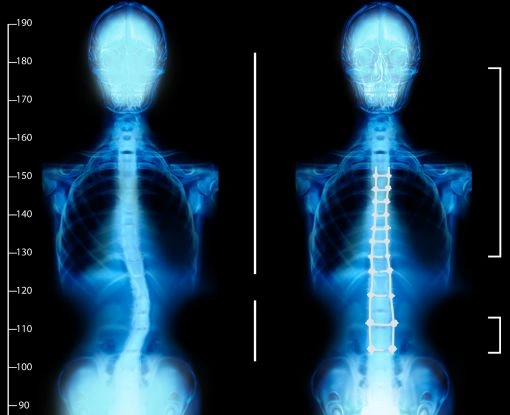
As a medical journalist, I recently visited Synapse Spine to understand how modern spine specialists diagnose and treat scoliosis using advanced surgical and non-surgical techniques. During my interaction with the Synapse Spine surgeons, I learned that scoliosis management requires careful evaluation of spinal curvature, age, symptoms, and overall spinal balance. Patients considering Scoliosis surgery in Mumbai often seek experienced spine surgeons who can provide individualized treatment plans, advanced technology, and comprehensive rehabilitation to improve spinal alignment and quality of life.
Why Consider Scoliosis Surgery in Mumbai?
Scoliosis is an abnormal sideways curvature of the spine that may develop during childhood, adolescence, or adulthood. While mild curves often require observation, more significant spinal deformities can lead to pain, posture changes, reduced mobility, breathing difficulties in severe cases, and progressive spinal imbalance.
Modern Scoliosis surgery in Mumbai aims to correct spinal alignment, stabilize the spine, and prevent further progression of the curvature while preserving as much spinal function as possible.
Surgery may be recommended when:
- The spinal curve continues to progress
- Conservative treatment has not controlled symptoms
- Significant pain affects daily activities
- Neurological symptoms develop
- The spinal deformity affects posture or balance
- Severe curvature impacts lung function
Understanding Scoliosis
The Synapse Spine team explained that scoliosis can affect individuals differently depending on the cause and severity.
Common symptoms include:
- Uneven shoulders
- Prominent shoulder blade
- Uneven waistline
- Leaning to one side
- Persistent back pain
- Muscle fatigue
- Reduced flexibility
- Visible spinal curvature
Diagnosis usually includes a detailed physical examination, standing spinal X-rays, MRI scans when indicated, and assessment of spinal balance.
Meet the Synapse Spine Surgeons
The Synapse Spine surgeons are fellowship-trained specialists dedicated exclusively to diagnosing and treating spinal disorders. Their practice combines advanced technology, evidence-based treatment, and multidisciplinary care to manage both routine and complex spine conditions.
Qualifications
The surgeons have specialized qualifications in Orthopaedic Spine Surgery and Neurosurgery, complemented by advanced fellowship training in spine surgery. Their commitment to continuing education ensures that patients benefit from the latest surgical techniques and treatment protocols.
Clinical Experience
The team has extensive experience in managing:
- Scoliosis
- Kyphosis
- Cervical spine disorders
- Lumbar spine disorders
- Degenerative spine disease
- Disc prolapse
- Spinal stenosis
- Spine trauma
- Spine infections
- Complex spinal deformities
Their expertise allows them to recommend the most appropriate treatment strategy for each patient, ranging from observation and rehabilitation to advanced reconstructive surgery.
Areas of Expertise
The surgeons specialize in:
- Scoliosis correction surgery
- Minimally invasive spine surgery
- Endoscopic spine surgery
- Cervical and lumbar spine procedures
- Spine deformity correction
- Robotic-assisted spine surgery where appropriate
- Revision spine surgery
- Complex spinal reconstruction
Advanced Spine Clinic Environment
During my visit, Synapse Spine demonstrated a modern clinical environment dedicated exclusively to spine care.
Patients benefit from:
- Comprehensive spine consultations
- Advanced diagnostic evaluation
- Digital imaging review
- Individualized treatment planning
- Modern surgical infrastructure
- Rehabilitation guidance
- Dedicated follow-up care
- Multidisciplinary spine management
The clinic emphasizes personalized care while ensuring patients understand every stage of diagnosis and treatment.
Treatment Options for Scoliosis
Not every patient with scoliosis requires surgery.
Depending on the severity of the condition, treatment may include:
- Regular observation
- Physiotherapy
- Postural correction
- Bracing in selected patients
- Pain management
- Exercise-based rehabilitation
Surgical treatment may be recommended for patients with:
- Progressive spinal curvature
- Significant deformity
- Persistent pain
- Neurological symptoms
- Severe functional limitations
Modern surgical techniques aim to improve spinal alignment while minimizing tissue damage whenever possible.
Benefits and Possible Risks
Benefits
- Improved spinal alignment
- Reduced progression of deformity
- Better posture
- Pain relief
- Improved balance
- Enhanced mobility
- Better quality of life
Possible Risks
Like any major spine surgery, potential risks include:
- Infection
- Bleeding
- Nerve injury
- Implant-related complications
- Delayed bone healing
- Temporary stiffness
- Need for additional surgery in selected cases
These risks are carefully discussed during pre-operative consultation, and treatment planning focuses on maximizing patient safety.
Recovery and Rehabilitation
Recovery after scoliosis surgery varies according to the complexity of the procedure and individual healing.
Patients are generally advised to:
- Follow prescribed medications
- Begin supervised rehabilitation
- Maintain proper posture
- Avoid heavy lifting initially
- Attend scheduled follow-up visits
- Perform spine-strengthening exercises as advised
A structured rehabilitation program plays an important role in restoring function and improving long-term outcomes.
Why Choose Synapse Spine?
Patients trust Synapse Spine because of its:
- Fellowship-trained spine specialists
- Exclusive focus on spine disorders
- Expertise in spinal deformity correction
- Personalized treatment planning
- Advanced surgical technology
- Comprehensive rehabilitation
- Patient-centered care
- Evidence-based clinical approach
The clinic is led by Top Spine Specialist in Mumbai, India, offering specialized treatment for complex spinal disorders with a focus on safety and functional recovery.
Book Your Consultation Today
If you or a loved one has been diagnosed with scoliosis or is experiencing symptoms of spinal deformity, consult the experienced spine specialists at Synapse Spine for a comprehensive evaluation.
📞 +91 81698 45056 | +91 93726 71858 | +91 93211 24611
📧 synapsespine@gmail.com
Get Directions to the Clinic – Synapse Spine, Mumbai
Take the first step toward better spinal health with expert care from Synapse Spine. Whether you are seeking a second opinion, evaluating treatment options, or considering scoliosis surgery, the experienced spine specialists provide personalized care using advanced diagnostic and surgical techniques.
Frequently Asked Questions
1. When is scoliosis surgery recommended?
Surgery may be recommended when the spinal curve progresses significantly, causes persistent pain, neurological symptoms, or affects posture and daily activities despite conservative treatment.
2. Is every scoliosis patient treated with surgery?
No. Many patients benefit from observation, physiotherapy, bracing, or other non-surgical treatments. Surgery is considered only when clinically appropriate.
3. How is scoliosis diagnosed?
Diagnosis includes a physical examination, spinal X-rays, and additional imaging such as MRI scans when necessary to evaluate the spinal cord and surrounding structures.
4. How long does recovery take after scoliosis surgery?
Recovery varies depending on the extent of surgery and individual healing. Rehabilitation and regular follow-up are important parts of the recovery process.