
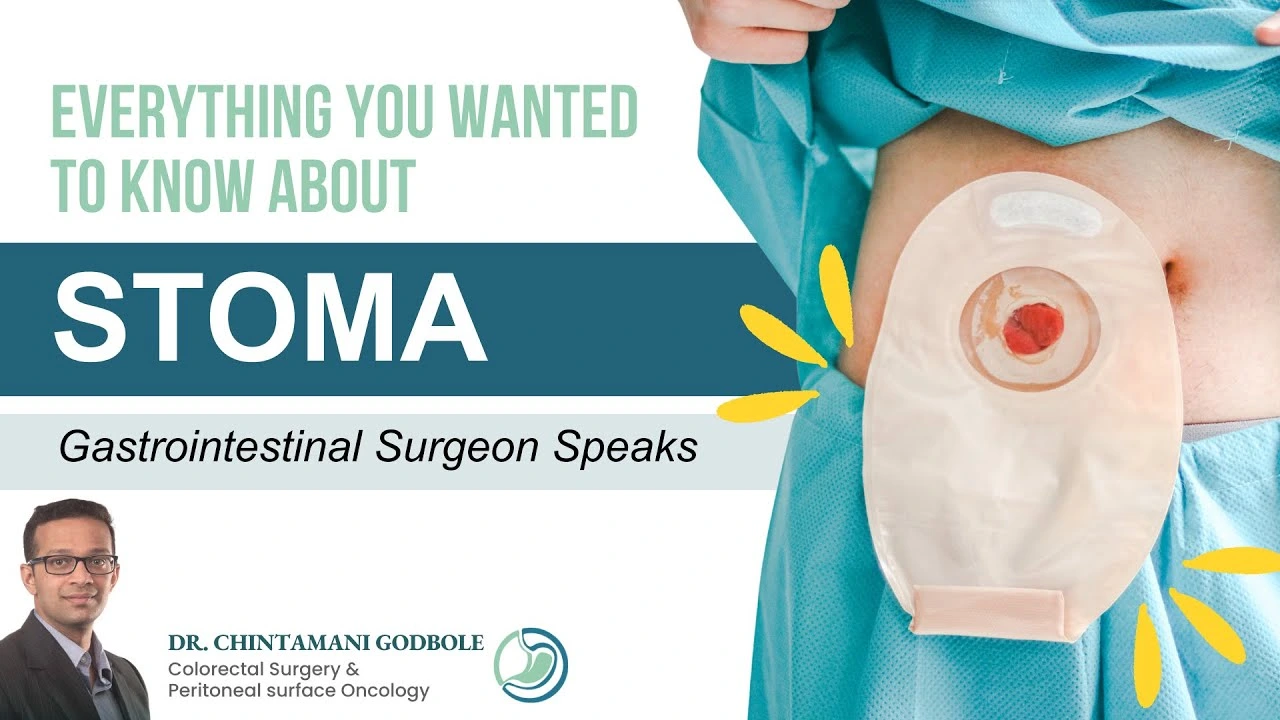
Living with a stoma can bring significant physical and emotional changes, especially during the initial recovery period. However, with proper education, support, and ongoing care, most individuals can adapt successfully and continue leading active, fulfilling lives. Stomal Therapy plays an essential role in helping patients manage their stoma confidently while reducing the risk of complications and improving overall well-being.
Whether a stoma is created temporarily or permanently following colorectal surgery, specialized stomal care focuses on patient education, skin protection, appliance management, nutrition, and long-term follow-up. At Gadre Hospital, Dr. Chintamani Godbole provides comprehensive guidance and individualized care to help patients adjust comfortably after ostomy surgery.
What is a Stoma?
A stoma is a surgically created opening on the abdomen that allows stool or urine to leave the body when the natural route is no longer possible due to disease, injury, or surgery.
Depending on the underlying medical condition, a stoma may be:
- Temporary
- Permanent
Common types of stomas include:
- Colostomy
- Ileostomy
- Urostomy
Each type requires specific care and appropriate appliances for effective management.
Stomal Therapy: Why is it Important?
Stomal Therapy is a specialized area of healthcare dedicated to helping patients care for their stoma before and after surgery.
It focuses on:
- Proper stoma assessment
- Appliance selection
- Skin care around the stoma
- Prevention of complications
- Nutrition guidance
- Lifestyle counseling
- Emotional support
- Long-term follow-up care
With proper training and regular monitoring, patients can perform most daily activities independently.
Who May Need a Stoma?
A stoma may be required for several medical conditions, including:
- Colorectal cancer
- Rectal cancer
- Inflammatory bowel disease
- Crohn’s disease
- Ulcerative colitis
- Bowel obstruction
- Traumatic bowel injury
- Congenital bowel disorders
- Diverticular disease
The decision depends on the patient’s diagnosis, disease severity, and surgical requirements.
Common Challenges After Stoma Surgery
During the adjustment period, patients may experience:
- Difficulty changing the stoma bag
- Skin irritation
- Leakage around the appliance
- Odour concerns
- Anxiety
- Body image changes
- Dietary questions
- Fear of social activities
Stomal therapy helps address these concerns through education and individualized care.
Components of Stomal Therapy
Effective stomal care includes multiple aspects of patient management.
Preoperative Counseling
Whenever possible, patients receive counseling before surgery regarding:
- Stoma placement
- Lifestyle expectations
- Appliance options
- Recovery planning
Stoma Assessment
Regular evaluation includes checking:
- Stoma colour
- Size
- Shape
- Function
- Surrounding skin condition
Appliance Selection
Different stoma bags and accessories are available based on:
- Stoma type
- Body shape
- Skin condition
- Lifestyle needs
Selecting the right appliance improves comfort and reduces leakage.
Skin Care
Healthy skin around the stoma is essential.
Patients are taught:
- Gentle cleaning techniques
- Proper appliance fitting
- Moisture control
- Prevention of skin irritation
Nutrition Advice
Dietary recommendations may include:
- Staying hydrated
- Introducing foods gradually
- Identifying foods that cause gas
- Maintaining balanced nutrition
- Preventing constipation or diarrhea
Long-Term Follow-up
Regular follow-up appointments help identify complications early and optimize long-term outcomes.
Benefits of Stomal Therapy
Comprehensive stomal care offers several advantages:
- Better quality of life
- Improved confidence
- Reduced leakage
- Healthy skin around the stoma
- Lower risk of infections
- Improved appliance management
- Greater independence
- Enhanced emotional well-being
- Early detection of complications
Possible Complications Without Proper Stoma Care
Without appropriate guidance, patients may develop:
- Skin irritation
- Infection
- Leakage
- Stoma retraction
- Prolapse
- Hernia
- Blockage
- Dehydration (especially with ileostomy)
Regular review by an experienced colorectal surgeon helps minimize these risks.
Approximate Cost of Stomal Care
The overall cost varies depending on:
- Type of stoma
- Appliance requirements
- Frequency of appliance changes
- Follow-up consultations
- Additional accessories
- Individual medical condition
Patients should consult the treating team for personalized guidance regarding ongoing care expenses.
Tips for Living Comfortably with a Stoma
Patients are generally advised to:
- Change the appliance as instructed
- Keep the skin clean and dry
- Maintain hydration
- Eat a balanced diet
- Monitor the stoma regularly
- Carry extra supplies while travelling
- Attend routine follow-up visits
- Report any unusual swelling, bleeding, or leakage promptly
With proper care, most individuals can resume work, travel, exercise, and social activities confidently.
About Dr. Chintamani Godbole
Dr. Chintamani Godbole is an experienced Colorectal Surgeon in Mumbai with expertise in advanced colorectal, gastrointestinal, laparoscopic, and cancer surgeries. He has received specialized training in the diagnosis and management of diseases affecting the colon, rectum, and anus, with a strong focus on patient-centered care and evidence-based surgical techniques.
His areas of expertise include colorectal cancer surgery, inflammatory bowel disease, piles, fistula, fissures, rectal prolapse, minimally invasive colorectal procedures, and comprehensive stoma management. He emphasizes individualized treatment planning and detailed patient education to help patients achieve the best possible surgical outcomes.
Patients seeking expert Colorectal Surgery in Mumbai benefit from his extensive clinical experience, meticulous surgical approach, and commitment to compassionate care.
At Gadre Hospital, patients receive treatment in a modern, well-equipped, and patient-friendly environment supported by advanced diagnostic facilities and contemporary surgical technology. The multidisciplinary approach ensures comprehensive care before, during, and after surgery, including specialized guidance for patients requiring long-term stomal care.
Why Choose Dr. Chintamani Godbole for Stoma Care?
Patients trust Dr. Chintamani Godbole because of his:
- Expertise in colorectal surgery
- Experience in complex bowel disorders
- Personalized stoma care planning
- Advanced minimally invasive techniques
- Comprehensive post-operative follow-up
- Patient education and counseling
- Multidisciplinary treatment approach
- Focus on improving long-term quality of life
Schedule Your Consultation
If you or a loved one requires guidance on Stomal Therapy, consult Dr. Chintamani Godbole for expert evaluation, personalized education, and comprehensive long-term stoma care.
📞+91 8108791470 | ☎️ +91 8451865944 (In case of emergency)
📧 drchintamanigodbole@gmail.com
📍Get Directions to the Clinic – Gadre Hospital, Mumbai and schedule your consultation today. Expert guidance, regular follow-up, and individualized care can help you adapt confidently to life with a stoma while maintaining comfort, independence, and overall well-being.
Frequently Asked Questions
1. What is stomal therapy?
Stomal therapy is specialized care that helps patients manage a stoma through education, skin care, appliance selection, nutrition advice, and long-term follow-up.
2. Can I live a normal life with a stoma?
Yes. With appropriate care and guidance, most people can return to work, travel, exercise, and enjoy regular daily activities.
3. How often should a stoma bag be changed?
The frequency depends on the type of stoma, the appliance used, and individual output. Your healthcare provider will recommend a suitable schedule.
4. When should I contact my doctor after stoma surgery?
You should seek medical advice if you notice persistent leakage, skin irritation, bleeding, unusual swelling, severe pain, changes in stoma colour, or signs of infection.