
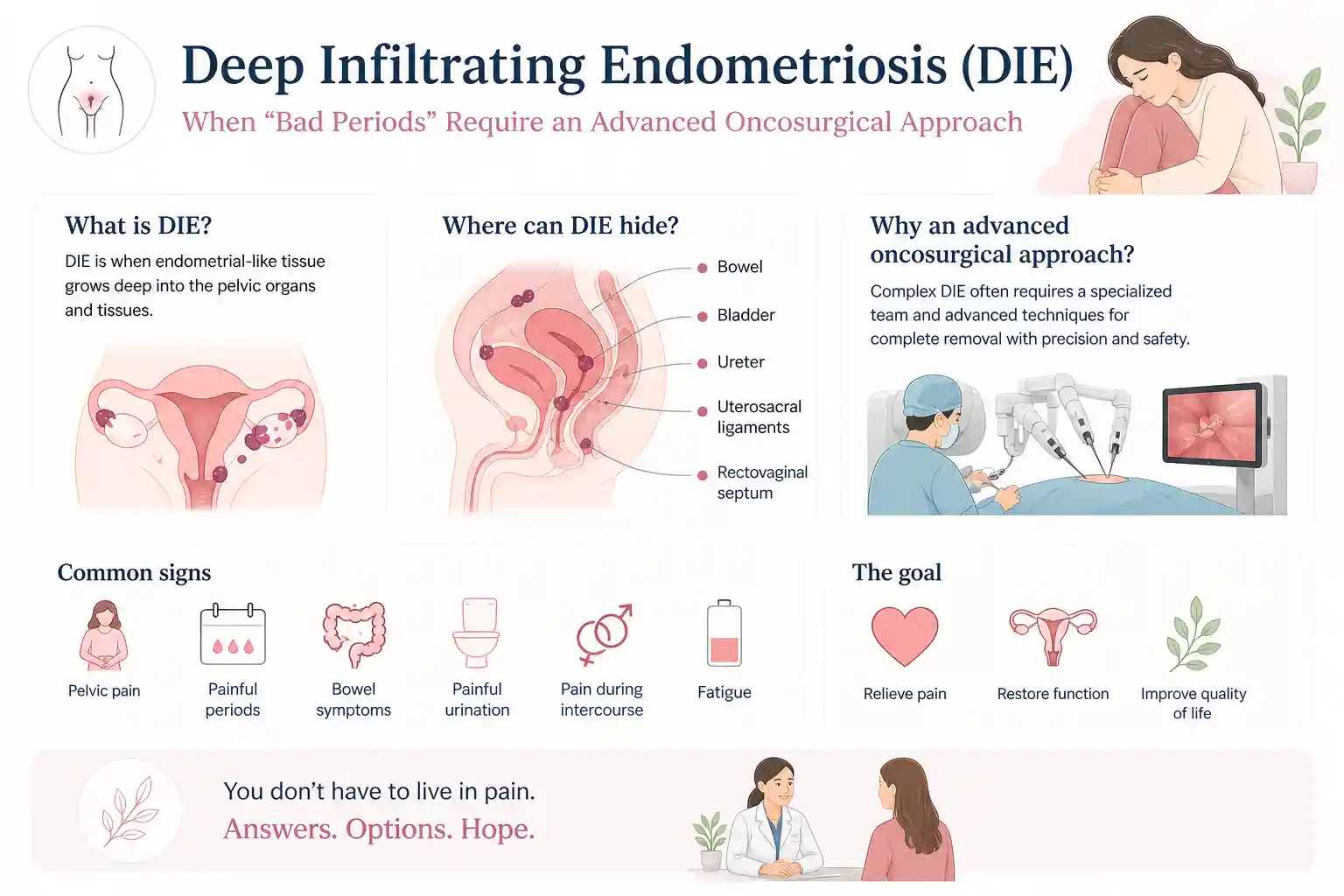
During my visit to Kirit Nursing Home, I had the opportunity to understand the challenges associated with deep infiltrating endometriosis and the modern treatment options available today. In my discussion with Dr. Maitreyee Parulekar, I learned that this advanced form of endometriosis often affects multiple pelvic organs, requiring specialized diagnosis and treatment. Women seeking Deep infiltrating endometriosis treatment Mumbai benefit from an individualized treatment plan that focuses on pain relief, fertility preservation whenever possible, and improved quality of life. Consulting an experienced Gynecologist In Vile Parle, Mumbai is essential for accurate diagnosis and comprehensive management of this complex condition.
Deep Infiltrating Endometriosis Treatment Mumbai: Understanding the Condition
Deep infiltrating endometriosis (DIE) is an advanced stage of endometriosis in which endometrial-like tissue grows deeper than 5 mm beneath the pelvic lining. Unlike superficial endometriosis, these lesions may invade surrounding organs such as the ovaries, uterus, bowel, bladder, ureters, and pelvic ligaments.
The condition can significantly impact a woman’s daily activities, reproductive health, and overall well-being. Early diagnosis and treatment help reduce symptoms and prevent disease progression.
What Causes Deep Infiltrating Endometriosis?
Although the exact cause remains uncertain, specialists believe several factors contribute to its development, including:
- Retrograde menstruation
- Hormonal influences
- Genetic predisposition
- Immune system dysfunction
- Chronic pelvic inflammation
- Environmental factors
Women with a family history of endometriosis may have a higher likelihood of developing the condition.
Common Symptoms
Symptoms vary depending on the organs involved but may include:
- Severe pelvic pain
- Painful menstrual periods
- Pain during intercourse
- Chronic lower abdominal pain
- Pain while passing urine or stools during menstruation
- Heavy menstrual bleeding
- Infertility
- Fatigue
- Bloating and digestive discomfort
Some women may have extensive disease with relatively mild symptoms, making proper evaluation essential.
How Is It Diagnosed?
Diagnosis involves a combination of clinical assessment and advanced imaging.
Your specialist may recommend:
- Detailed medical history
- Pelvic examination
- Transvaginal ultrasound
- MRI scan for mapping disease extent
- Diagnostic laparoscopy when necessary
Accurate mapping helps surgeons plan treatment while minimizing risks.
Treatment Options
Treatment depends on:
- Severity of symptoms
- Extent of disease
- Age
- Fertility goals
- Overall health
Options include:
Medical Management
- Pain-relieving medications
- Hormonal therapy
- Oral contraceptive pills
- Progesterone therapy
- GnRH analogues in selected patients
Medical treatment helps control symptoms but may not remove deep infiltrating lesions.
Laparoscopic Surgery
Advanced laparoscopic surgery is often recommended for women with severe symptoms, organ involvement, or infertility.
The goals include:
- Removal of endometriosis deposits
- Relief from pelvic pain
- Preservation of healthy tissue
- Restoration of pelvic anatomy
- Improvement of fertility where appropriate
Modern minimally invasive techniques generally result in faster recovery and reduced postoperative discomfort.
Benefits of Timely Treatment
Appropriate treatment may help:
- Reduce chronic pelvic pain
- Improve quality of life
- Preserve fertility whenever possible
- Improve bowel and bladder symptoms
- Prevent disease progression
- Reduce recurrence with appropriate follow-up
- Enhance daily functioning
About Dr. Maitreyee Parulekar
Dr. Maitreyee Parulekar is a highly experienced gynecologist with expertise in advanced laparoscopic surgery, gynecologic oncology, and the management of complex pelvic disorders. Recognized as a Top Gynae Oncologist In Mumbai, she has extensive clinical experience in treating challenging gynecological conditions, including advanced endometriosis, ovarian cysts, fibroids, and gynecological cancers.
Her approach emphasizes accurate diagnosis, evidence-based treatment, minimally invasive surgical techniques, and individualized patient care. She remains committed to preserving fertility whenever feasible while ensuring the best possible clinical outcomes.
Clinic Environment at Kirit Nursing Home
During my visit, Kirit Nursing Home demonstrated a patient-focused environment designed for women’s healthcare.
The clinic offers:
- Modern consultation facilities
- Advanced diagnostic support
- Laparoscopic surgical expertise
- Experienced nursing staff
- Strict infection-control measures
- Personalized counseling
- Comfortable recovery facilities
- Compassionate patient care
Patients receive detailed explanations about their condition and treatment options before making informed decisions.
Recovery After Surgery
Recovery depends on the complexity of surgery.
Most women can expect:
- Early mobilization
- Gradual return to routine activities
- Mild postoperative discomfort initially
- Regular follow-up visits
- Personalized recovery guidance
Recovery timelines vary based on disease severity and the extent of surgery performed.
Precautions and Aftercare
Dr. Maitreyee Parulekar emphasizes the importance of long-term follow-up to manage endometriosis effectively.
Patients are generally advised to:
- Take medications as prescribed
- Attend scheduled follow-up appointments
- Maintain a balanced diet
- Stay physically active within medical advice
- Report recurring symptoms promptly
- Follow fertility planning recommendations if applicable
- Maintain adequate hydration
Possible Risks
Like any medical or surgical treatment, management of deep infiltrating endometriosis may involve certain risks.
These may include:
- Bleeding
- Infection
- Temporary pain
- Injury to nearby pelvic organs (rare)
- Recurrence of endometriosis over time
- Adhesion formation
Comprehensive preoperative planning helps minimize these risks.
Approximate Cost Range
The cost of Deep infiltrating endometriosis treatment Mumbai varies depending on several factors, including:
- Severity of disease
- Diagnostic investigations
- Medical versus surgical treatment
- Laparoscopic complexity
- Hospital stay
- Surgical expertise
- Follow-up care
An individualized consultation provides the most accurate treatment estimate.
Frequently Asked Questions
1. What is deep infiltrating endometriosis?
It is an advanced form of endometriosis where endometrial tissue grows deep into pelvic organs and surrounding tissues, often causing severe pain and fertility concerns.
2. Can laparoscopic surgery cure deep infiltrating endometriosis?
Surgery can effectively remove visible disease and significantly relieve symptoms, although long-term follow-up remains important because recurrence can occur.
3. Will treatment improve fertility?
Many women experience improved fertility following appropriate treatment, although outcomes depend on age, disease severity, and other reproductive factors.
4. Is surgery always necessary?
No. Mild symptoms may be managed medically, while surgery is generally considered for severe pain, organ involvement, infertility, or when medications are ineffective.
Contact Dr. Maitreyee Parulekar – Call to Action
If you are experiencing persistent pelvic pain, painful periods, or symptoms suggestive of advanced endometriosis, schedule a consultation with Dr. Maitreyee Parulekar at Kirit Nursing Home.
📞 +91 72087 27500 | +91 97023 58222
📧 info@drmaitreyeegynec.in
Get Directions to the Clinic – Kirit Nursing Home, Vile Parle
Book your appointment today to receive a comprehensive evaluation, personalized treatment plan, and expert guidance for advanced endometriosis care.