
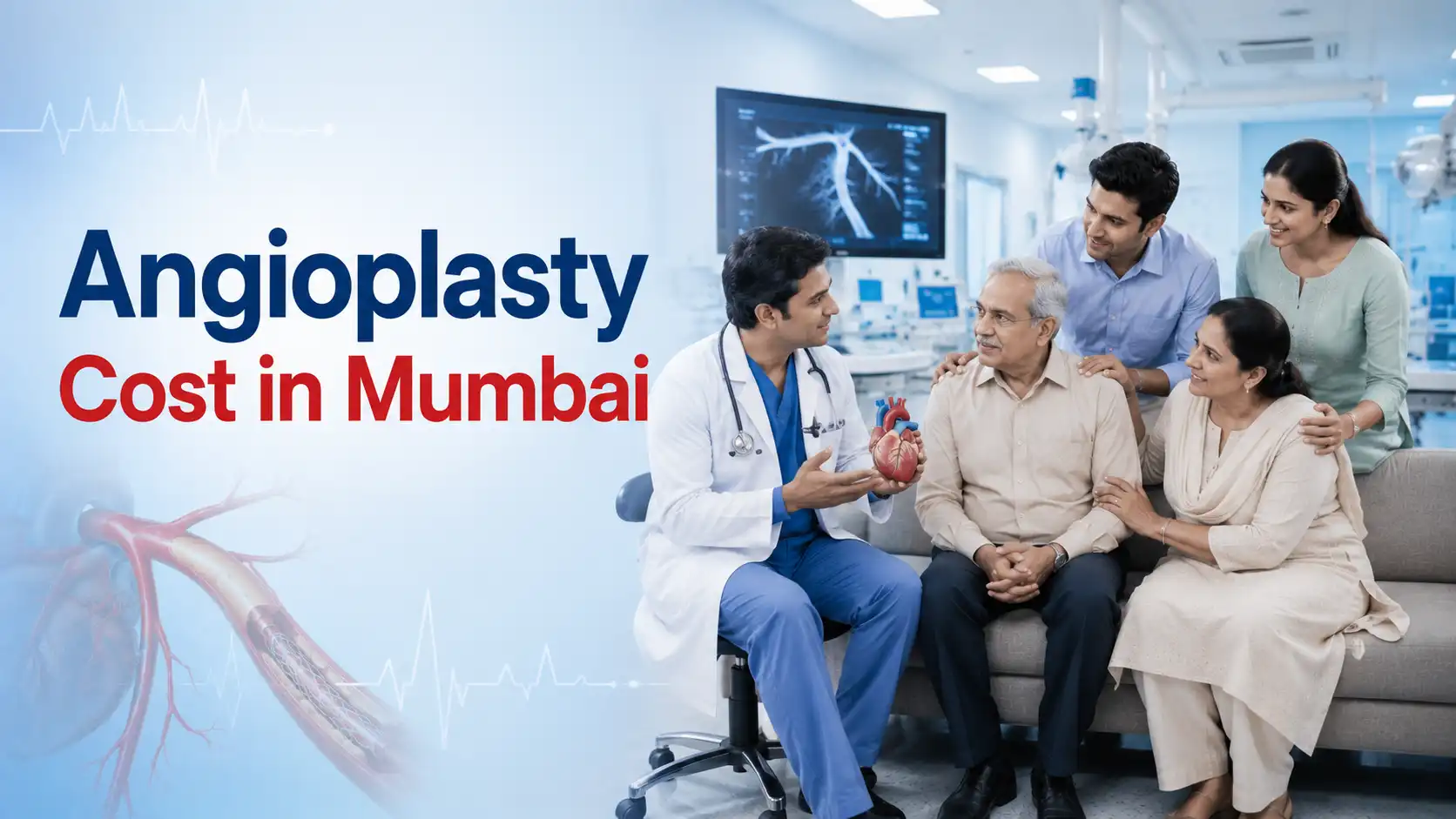
Heart disease remains one of the leading causes of illness worldwide, and timely treatment can significantly improve outcomes. Angioplasty is a minimally invasive procedure used to restore blood flow through narrowed or blocked coronary arteries, helping relieve symptoms such as chest pain and reducing the risk of heart attacks. If you are researching Angioplasty Cost in Mumbai, understanding the procedure, factors influencing treatment costs, and choosing a trusted healthcare facility are equally important. Suvarna Hospital, recognized as a Best Hospital in Borivali, offers comprehensive cardiac care supported by modern infrastructure, experienced specialists, and patient-focused services.
Angioplasty Cost in Mumbai: What Determines the Overall Expense?
The Angioplasty Cost in Mumbai varies depending on several medical and hospital-related factors. Since every patient’s condition is unique, the total treatment cost is determined after a detailed clinical evaluation.
Some of the key factors that influence the cost include:
- Number of blocked arteries
- Type of angioplasty performed
- Number and type of stents used
- Complexity of the blockage
- Patient’s overall health condition
- Diagnostic investigations
- ICU and hospital stay
- Medications and consumables
- Follow-up care
A personalized consultation with the cardiology team provides the most accurate estimate based on individual treatment requirements.
What is Coronary Angioplasty?
Coronary angioplasty, also known as Percutaneous Coronary Intervention (PCI), is a minimally invasive procedure that opens narrowed or blocked coronary arteries to improve blood flow to the heart muscle.
During the procedure, a thin catheter with a small balloon at its tip is inserted through an artery in the wrist or groin. The balloon is inflated at the site of the blockage, compressing plaque against the artery wall. In most cases, a stent is placed to help keep the artery open and maintain blood flow.
The procedure helps reduce symptoms and lowers the risk of serious cardiac complications.
When is Angioplasty Recommended?
Doctors may recommend angioplasty for patients with:
- Coronary artery disease
- Significant arterial blockages
- Chest pain (angina)
- Acute heart attack
- Reduced blood flow to the heart
- Abnormal stress test results
Early diagnosis and timely treatment can help preserve heart function and improve long-term cardiovascular health.
Symptoms That May Indicate Heart Disease
Seek immediate medical evaluation if you experience:
- Chest pain or pressure
- Shortness of breath
- Pain radiating to the arm, neck, or jaw
- Unexplained fatigue
- Sweating
- Dizziness
- Irregular heartbeat
- Nausea during chest discomfort
Prompt medical attention is essential, particularly if symptoms occur suddenly.
Why Choose Suvarna Hospital?
Suvarna Hospital is a well-established Multispecialty Hospital Borivali, offering comprehensive medical and surgical services across multiple specialties. The hospital is committed to delivering high-quality healthcare through experienced medical professionals, advanced technology, and compassionate patient care.
Patients benefit from:
- Experienced multidisciplinary medical team
- Modern operation theatres
- Advanced diagnostic facilities
- Well-equipped intensive care units
- Emergency and critical care services
- Comprehensive inpatient and outpatient care
- Patient-centered treatment approach
- Strict infection control and safety protocols
The hospital emphasizes timely diagnosis, evidence-based treatment, and coordinated care to ensure the best possible outcomes for patients.
How is Angioplasty Performed?
The procedure generally involves the following steps:
- Clinical evaluation and diagnostic testing.
- Administration of local anesthesia.
- Insertion of a catheter through the wrist or groin artery.
- Navigation of the catheter to the blocked coronary artery.
- Inflation of a balloon to widen the artery.
- Placement of a stent, if required.
- Removal of the catheter and monitoring during recovery.
Most procedures are completed within one to two hours, depending on the complexity of the blockage.
Benefits of Angioplasty
Potential advantages include:
- Restores blood flow to the heart
- Relieves chest pain
- Reduces the risk of heart attack
- Minimally invasive procedure
- Shorter hospital stay
- Faster recovery than open-heart surgery in suitable patients
- Improves quality of life
- Helps patients return to normal activities sooner
Recovery After Angioplasty
Recovery varies depending on the patient’s condition and the complexity of the procedure.
Patients are generally advised to:
- Take prescribed medications regularly.
- Follow a heart-healthy diet.
- Quit smoking.
- Exercise as recommended by the cardiologist.
- Control blood pressure, diabetes, and cholesterol.
- Attend regular follow-up appointments.
- Adopt long-term lifestyle modifications.
Cardiac rehabilitation may also be recommended to support recovery and improve long-term heart health.
Benefits and Possible Risks
Benefits
- Improved blood circulation
- Relief from angina
- Better heart function
- Reduced cardiac complications
- Short recovery period
Possible Risks
Although angioplasty is widely performed, potential risks include:
- Bleeding at the catheter insertion site
- Blood vessel injury
- Infection
- Allergic reaction to contrast dye
- Restenosis (re-narrowing)
- Blood clot formation
- Rare heart rhythm disturbances
Careful patient selection and expert management help minimize these risks.
Precautions and Aftercare
Following angioplasty, patients should:
- Take antiplatelet medications exactly as prescribed.
- Avoid heavy lifting during the initial recovery period.
- Drink adequate fluids unless otherwise advised.
- Monitor for swelling or bleeding at the catheter site.
- Follow dietary recommendations.
- Maintain regular follow-up with the cardiologist.
- Seek immediate care if chest pain recurs.
Long-term lifestyle modifications are essential to maintain healthy arteries.
Frequently Asked Questions
1. Is angioplasty a major surgery?
No. Angioplasty is a minimally invasive procedure performed using a catheter without opening the chest.
2. How long is the hospital stay after angioplasty?
Many patients are discharged within one or two days, depending on their condition and recovery.
3. Can angioplasty permanently cure heart disease?
Angioplasty treats blocked arteries but does not cure the underlying process of coronary artery disease. Lifestyle changes and medications remain important.
4. How soon can normal activities be resumed?
Most patients gradually return to daily activities within a few days to weeks, depending on medical advice and overall recovery.
Contact Suvarna Hospital
If you have been diagnosed with coronary artery disease or are experiencing symptoms of heart disease, consult the experienced cardiology team at Suvarna Hospital for comprehensive evaluation and personalized treatment.
📞 +91 9987130994 | +91 22 35143030
📧 dhankuvarbenhospital@gmail.com
Get Directions to the Clinic – Suvarna Hospital
Contact Suvarna Hospital today to schedule a cardiology consultation.