
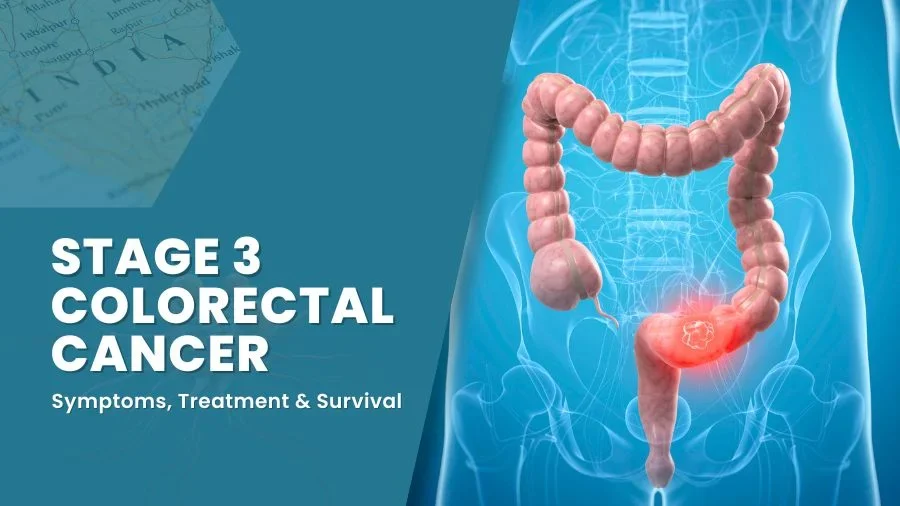
A diagnosis of stage 3 colon cancer can be overwhelming, but advances in colorectal surgery, chemotherapy, and multidisciplinary cancer care have significantly improved patient outcomes. During my visit to Gadre Hospital, I gained valuable insights into the latest approaches to Stage 3 colon cancer treatment and Survival from Dr. Chintamani Godbole, an experienced Colorectal Surgeon in Mumbai. He emphasized that timely diagnosis, accurate staging, expert surgery, and comprehensive follow-up play a crucial role in improving survival rates and quality of life.
Understanding Stage 3 Colon Cancer Treatment and Survival
Stage 3 colon cancer means that the cancer has spread beyond the wall of the colon into nearby lymph nodes but has not spread to distant organs such as the liver or lungs. Although lymph nodes are involved, this stage is still considered potentially curable with appropriate treatment.
Patients seeking information about Stage 3 colon cancer treatment and Survival should understand that treatment is individualized according to the extent of disease, overall health, and pathological findings. Modern treatment combines surgery with chemotherapy to reduce the risk of recurrence and improve long-term survival.
What Are the Symptoms of Stage 3 Colon Cancer?
Symptoms vary from person to person and may include:
- Persistent changes in bowel habits
- Blood in the stool
- Rectal bleeding
- Unexplained weight loss
- Fatigue
- Abdominal pain or cramping
- Persistent bloating
- Loss of appetite
- Iron deficiency anemia
- A feeling of incomplete bowel emptying
Some patients may have minimal symptoms, making regular screening important for early detection.
How Is Stage 3 Colon Cancer Diagnosed?
A comprehensive evaluation usually includes:
- Detailed medical history
- Physical examination
- Colonoscopy with biopsy
- CT scan of the chest, abdomen, and pelvis
- MRI in selected cases
- Blood investigations
- CEA (Carcinoembryonic Antigen) test
- Histopathological examination after surgery
Accurate staging helps determine the most effective treatment plan.
Treatment Options
Surgery
Surgery is the primary treatment for stage 3 colon cancer. The goal is to remove:
- The cancerous segment of the colon
- Adequate surrounding healthy tissue
- Regional lymph nodes for accurate staging
Whenever appropriate, minimally invasive laparoscopic surgery may be considered.
Chemotherapy
Following surgery, adjuvant chemotherapy is commonly recommended to eliminate microscopic cancer cells that may remain in the body and reduce the risk of recurrence.
The chemotherapy regimen depends on:
- Number of lymph nodes involved
- Tumor characteristics
- Patient’s overall health
- Final pathology report
Benefits of Multidisciplinary Cancer Care
Patients benefit from coordinated care involving:
- Colorectal surgeons
- Medical oncologists
- Radiologists
- Pathologists
- Gastroenterologists
- Oncology nurses
- Nutrition specialists
This collaborative approach helps optimize treatment outcomes.
Factors Affecting Survival
Several factors influence survival, including:
- Number of lymph nodes involved
- Tumor grade
- Completeness of surgical removal
- Response to chemotherapy
- Overall health
- Early diagnosis
- Regular follow-up
With modern treatment protocols, many patients with stage 3 colon cancer achieve favorable long-term outcomes.
Recovery After Colon Cancer Surgery
Recovery depends on the extent of surgery and the patient’s general health.
Patients are encouraged to:
- Walk early after surgery
- Maintain adequate nutrition
- Follow medication instructions
- Attend follow-up appointments
- Resume activities gradually
- Continue chemotherapy when advised
A structured recovery plan supports healing and rehabilitation.
Possible Risks
Like any major abdominal surgery, colon cancer surgery carries certain risks, including:
- Bleeding
- Infection
- Anastomotic leak
- Blood clots
- Delayed bowel function
- Temporary digestive disturbances
These risks are carefully managed through modern surgical techniques and comprehensive post-operative care.
Approximate Cost of Treatment
The overall cost depends on several factors, including:
- Type of surgery
- Hospital stay
- Diagnostic investigations
- Chemotherapy requirements
- Intensive care needs
- Follow-up care
A personalized consultation provides an individualized treatment plan and estimated cost.
Meet Dr. Chintamani Godbole
Patients seeking expert Colorectal Surgery in Mumbai frequently consult Dr. Chintamani Godbole, a highly qualified Colorectal Surgeon in Mumbai with extensive experience in managing colorectal diseases and gastrointestinal cancers.
Dr. Chintamani Godbole has advanced training in colorectal surgery and specializes in the diagnosis and treatment of colon cancer, rectal cancer, inflammatory bowel disease, diverticular disease, hemorrhoids, fistulas, fissures, and other complex colorectal conditions. His clinical experience includes performing open, laparoscopic, and minimally invasive colorectal procedures while focusing on oncological safety, organ preservation whenever appropriate, and improved patient recovery.
At Gadre Hospital, patients benefit from a modern, patient-centered clinical environment equipped with advanced diagnostic imaging, minimally invasive surgical technology, dedicated operation theatres, and comprehensive post-operative care facilities. The hospital follows evidence-based treatment protocols and emphasizes multidisciplinary collaboration to provide high-quality colorectal cancer care.
Dr. Chintamani Godbole believes in educating patients and their families about every stage of diagnosis, treatment, and recovery, enabling informed decisions and personalized care throughout the treatment journey.
Why Personalized Cancer Care Matters
Every patient with colon cancer has unique clinical characteristics.
Before recommending treatment, Dr. Chintamani Godbole carefully evaluates:
- Tumor location
- Cancer stage
- Lymph node involvement
- Imaging findings
- General medical condition
- Nutritional status
- Previous medical history
This detailed assessment allows for individualized treatment planning that aims to maximize survival while maintaining quality of life.
Why Choose Gadre Hospital?
Patients choose Gadre Hospital because of:
- Experienced colorectal cancer specialists
- Advanced laparoscopic colorectal surgery
- Multidisciplinary cancer care
- Modern operation theatres
- Evidence-based treatment protocols
- Comprehensive diagnostic facilities
- Personalized patient care
- Long-term follow-up support
Contact Dr. Chintamani Godbole
📞+91 8108791470 | ☎️ +91 8451865944 (In case of emergency)
📧 drchintamanigodbole@gmail.com
📍Get Directions to the Clinic – Gadre Hospital, Mumbai
If you or a loved one has been diagnosed with colon cancer, early evaluation by an experienced colorectal surgeon is essential. Schedule a consultation with Dr. Chintamani Godbole for a comprehensive assessment, accurate staging, and a personalized treatment plan based on the latest evidence-based cancer care. Whether you require surgery, a second opinion, or guidance regarding chemotherapy and long-term follow-up, expert colorectal care can help you make informed treatment decisions.
Frequently Asked Questions
1. Can stage 3 colon cancer be cured?
Yes. Many patients with stage 3 colon cancer achieve long-term survival and potential cure when treated with appropriate surgery followed by recommended chemotherapy.
2. Why is chemotherapy needed after surgery?
Chemotherapy helps destroy microscopic cancer cells that may remain after surgery and significantly reduces the risk of cancer recurrence.
3. How long does treatment usually take?
Treatment duration varies depending on the surgery performed and the chemotherapy regimen. Your oncology team will create an individualized treatment schedule.
4. What follow-up is required after treatment?
Regular follow-up usually includes physical examinations, CEA blood tests, imaging studies, and periodic colonoscopy to monitor recovery and detect recurrence early.