
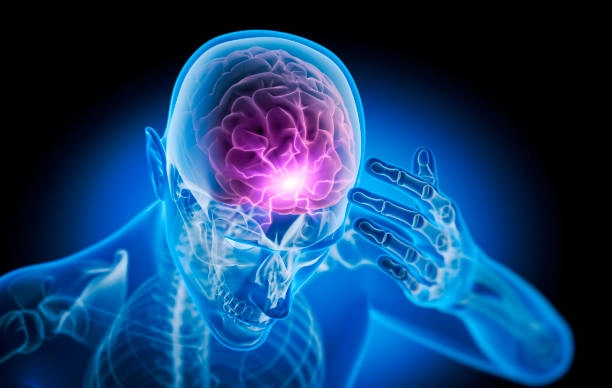
Epilepsy is a neurological disorder that affects millions of people worldwide, but with timely diagnosis and appropriate treatment, many patients can achieve excellent seizure control and lead fulfilling lives. During my visit to Lalbaug Diagnostics, I learned how advances in neurological evaluation, imaging, medication, and epilepsy surgery have transformed patient outcomes. My interaction with Dr. Manish Baldia, a highly experienced neurosurgeon and Neuro Doctor in Mumbai, emphasized the importance of accurate diagnosis, individualized treatment planning, and multidisciplinary care. Patients seeking Epilepsy treatment in Mumbai today have access to comprehensive medical and surgical options designed to improve seizure control, preserve neurological function, and enhance quality of life.
Understanding Epilepsy Treatment in Mumbai
Epilepsy is a chronic neurological condition characterized by recurrent, unprovoked seizures caused by abnormal electrical activity in the brain. Seizures may vary in type, severity, and frequency, making early evaluation by a specialist essential.
Modern Epilepsy treatment in Mumbai includes advanced diagnostic investigations, anti-epileptic medications, lifestyle counseling, and surgical treatment for selected patients with drug-resistant epilepsy.
Common Symptoms of Epilepsy
Symptoms depend on the type of seizure and the area of the brain involved.
Common symptoms include:
- Recurrent seizures
- Sudden loss of awareness
- Staring spells
- Uncontrolled jerking movements
- Temporary confusion
- Loss of consciousness
- Muscle stiffness
- Unusual sensations or visual disturbances
- Memory lapses after seizures
Anyone experiencing recurrent seizures should seek immediate neurological evaluation.
Causes of Epilepsy
Epilepsy may develop due to several factors, including:
- Brain injury
- Stroke
- Brain tumors
- Congenital brain abnormalities
- Head trauma
- Central nervous system infections
- Genetic factors
- Previous neurosurgical conditions
- Unknown causes (idiopathic epilepsy)
Identifying the underlying cause helps guide treatment.
How Is Epilepsy Diagnosed?
A comprehensive neurological evaluation usually includes:
- Detailed medical history
- Neurological examination
- Electroencephalogram (EEG)
- MRI Brain
- CT Scan when required
- Blood investigations
- Video EEG monitoring for selected patients
- Neuropsychological assessment in surgical candidates
Accurate diagnosis is the foundation of successful epilepsy management.
Treatment Options
Treatment depends on seizure type, cause, and patient-specific factors.
Management may include:
Anti-Epileptic Medications
Most patients achieve seizure control with appropriately selected medications.
Lifestyle Modifications
Patients are advised regarding:
- Adequate sleep
- Medication compliance
- Trigger avoidance
- Stress management
- Regular follow-up
Epilepsy Surgery
For patients with drug-resistant epilepsy, surgery may be considered after detailed evaluation.
Advanced surgical options are designed to remove or disconnect the seizure-producing brain area while preserving neurological function whenever possible.
Benefits of Early Treatment
Timely epilepsy treatment offers several advantages:
- Better seizure control
- Reduced seizure frequency
- Improved quality of life
- Better cognitive function
- Reduced risk of injury
- Improved independence
- Better educational and occupational outcomes
- Lower risk of seizure-related complications
Recovery After Epilepsy Surgery
Patients undergoing epilepsy surgery require individualized rehabilitation and follow-up.
Recovery generally includes:
- Neurological monitoring
- Medication adjustment
- Follow-up imaging
- Rehabilitation when indicated
- Gradual return to daily activities
The recovery process varies depending on the type of procedure performed.
Possible Risks
Treatment risks depend on the type of intervention.
Potential risks include:
- Medication side effects
- Temporary neurological symptoms
- Infection (surgical patients)
- Bleeding
- Seizure recurrence
- Anaesthesia-related risks
Careful patient selection and expert neurosurgical care help minimize these risks.
Approximate Cost of Epilepsy Treatment
The overall cost depends on several factors, including:
- Neurological consultation
- Diagnostic investigations
- EEG and imaging studies
- Medication requirements
- Surgical treatment if indicated
- Hospital stay
- Long-term follow-up
A personalized consultation helps determine the most appropriate treatment plan and estimated costs.
Meet Dr. Manish Baldia
Patients seeking expert neurological and neurosurgical care often consult Dr. Manish Baldia, an experienced Neuro Doctor in Mumbai recognized for his expertise in advanced brain and spine surgery as well as comprehensive epilepsy management.
Dr. Manish Baldia possesses advanced qualifications in neurosurgery and has extensive clinical experience managing complex neurological disorders, including epilepsy, brain tumors, spine disorders, cerebrovascular diseases, traumatic brain injuries, and functional neurosurgery. His clinical practice emphasizes evidence-based treatment, advanced surgical techniques, and individualized patient care.
For patients with drug-resistant epilepsy, Dr. Manish Baldia provides detailed evaluation and works with a multidisciplinary team to determine whether advanced surgical treatment may be beneficial. His expertise includes modern neurosurgical planning, neuronavigation-assisted procedures, microsurgical techniques, and comprehensive perioperative care.
Patients visiting Lalbaug Diagnostics benefit from a modern clinical environment equipped with advanced neuroimaging facilities, diagnostic technology, and comprehensive neurological evaluation services. The center focuses on patient safety, accurate diagnosis, compassionate communication, and personalized treatment planning while maintaining high standards of clinical excellence.
Why Individualized Epilepsy Care Matters
Every patient’s epilepsy is unique.
Before recommending treatment, Dr. Manish Baldia carefully evaluates:
- Type of seizures
- EEG findings
- MRI brain imaging
- Duration of illness
- Medication response
- Overall neurological health
- Lifestyle and occupational needs
This comprehensive assessment helps develop a personalized treatment strategy aimed at achieving optimal seizure control.
Why Choose Dr. Manish Baldia?
Patients trust Dr. Manish Baldia because of:
- Advanced neurosurgical expertise
- Comprehensive epilepsy evaluation
- Modern diagnostic facilities
- Evidence-based treatment planning
- Personalized patient care
- Multidisciplinary neurological management
- Focus on patient safety
- Long-term follow-up support
Contact Dr. Manish Baldia
📞 96767 67507
📧 drmanishbaldia@gmail.com
Get Directions to the Clinic – Lalbaug Diagnostics
If you or a loved one experiences recurrent seizures, unexplained loss of consciousness, or has been diagnosed with epilepsy, schedule a consultation with Dr. Manish Baldia. A detailed neurological evaluation can help identify the cause of seizures and determine the most appropriate treatment plan, whether through medication, lifestyle management, or advanced surgical options. Early diagnosis and expert care can significantly improve seizure control and overall quality of life.
Frequently Asked Questions
1. Can epilepsy be cured?
Many patients achieve excellent seizure control with medications. In selected cases of drug-resistant epilepsy, surgery may significantly reduce or eliminate seizures.
2. When is epilepsy surgery recommended?
Epilepsy surgery is considered for patients whose seizures remain uncontrolled despite appropriate anti-epileptic medications and after a comprehensive neurological evaluation.
3. Is epilepsy hereditary?
Some forms of epilepsy have a genetic component, while others develop due to brain injury, stroke, infections, tumors, or other neurological conditions.
4. Can people with epilepsy lead normal lives?
Yes. With proper diagnosis, regular medication, lifestyle modifications, and specialist follow-up, many individuals with epilepsy can lead active, productive, and independent lives.