
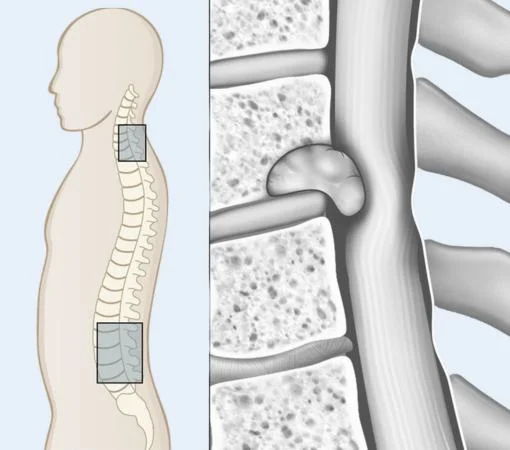
A spinal cord tumor is a rare but serious condition that can affect the spinal cord, spinal nerves, or surrounding tissues. If left untreated, it may lead to progressive pain, weakness, numbness, or even permanent neurological damage. During my visit to Synapse Spine, I learned how early diagnosis, advanced imaging, and specialized spine surgery can significantly improve patient outcomes. The team of Synapse Spine surgeons, recognized among the Top Spine Specialist in Mumbai, India, provides comprehensive care for both benign and malignant spinal tumors using evidence-based treatment protocols and modern surgical techniques. If you are searching for Spinal cord tumor treatment in Mumbai, understanding the condition and available treatment options can help you seek timely medical care.
Understanding Spinal Cord Tumors
Spinal Cord Tumor Treatment in Mumbai: When Should You Seek Expert Care?
A spinal cord tumor is an abnormal growth that develops within or around the spinal cord. These tumors may arise from the spinal cord itself, the surrounding membranes, nerve roots, or may spread from cancers originating elsewhere in the body.
Tumors are broadly classified as:
- Intramedullary tumors – Develop within the spinal cord.
- Intradural extramedullary tumors – Occur inside the protective covering but outside the spinal cord.
- Extradural tumors – Usually involve the vertebrae or represent metastatic disease.
While not every spinal tumor is cancerous, all require prompt evaluation because they can compress the spinal cord and nerves.
Common Symptoms of a Spinal Cord Tumor
Symptoms vary depending on the tumor’s location and size but may include:
- Persistent neck or back pain
- Pain worsening at night
- Pain radiating to the arms or legs
- Weakness in the limbs
- Tingling or numbness
- Difficulty walking
- Loss of coordination
- Balance problems
- Bladder or bowel dysfunction
- Progressive paralysis in advanced cases
If these symptoms persist, seeking Spinal cord tumor treatment in Mumbai at an experienced spine center is essential for early diagnosis and timely intervention.
Causes and Risk Factors
Although the exact cause is not always known, several factors may increase the risk of spinal tumors:
- Genetic syndromes
- Primary bone tumors
- Metastatic cancer
- Neurofibromatosis
- Von Hippel-Lindau disease
- Previous radiation exposure
- Certain inherited disorders
Many spinal tumors occur without identifiable risk factors.
Diagnosis of Spinal Cord Tumors
Early diagnosis is crucial to prevent irreversible neurological damage.
Clinical Evaluation
The spine specialist performs a detailed neurological examination to assess muscle strength, reflexes, sensation, coordination, and gait.
MRI Scan
MRI remains the gold standard for evaluating spinal cord tumors and determining their size, location, and relationship with surrounding structures.
CT Scan
Useful for assessing bone involvement and surgical planning.
Biopsy
In selected cases, tissue analysis confirms the diagnosis and helps guide further treatment.
A multidisciplinary evaluation ensures an individualized treatment strategy.
Treatment Options
Treatment depends on the tumor type, size, location, neurological status, and overall health of the patient.
Observation
Small, slow-growing benign tumors without neurological symptoms may be monitored with regular imaging.
Surgical Removal
Surgery is often the primary treatment for accessible spinal tumors causing neurological symptoms or spinal cord compression.
The goals of surgery include:
- Removing the tumor safely
- Preserving neurological function
- Relieving spinal cord compression
- Reducing pain
- Preventing further neurological deterioration
Minimally Invasive Spine Surgery
Selected patients may benefit from minimally invasive approaches that reduce tissue trauma, postoperative pain, and recovery time.
Radiation Therapy
Radiotherapy may be recommended for tumors that cannot be completely removed or for metastatic spinal tumors.
Chemotherapy
Certain malignant tumors require chemotherapy as part of a comprehensive oncology treatment plan.
About Synapse Spine Surgeons
The Synapse Spine surgeons are highly qualified orthopedic spine surgeons and neurosurgeons with advanced training in managing complex spinal disorders, including spinal tumors. Their expertise includes spinal oncology, minimally invasive spine surgery, spinal deformity correction, degenerative spine disorders, trauma, and revision spine surgery.
With extensive clinical experience, the surgical team has successfully managed patients with benign and malignant spinal tumors using modern microsurgical techniques and evidence-based treatment protocols. Every patient undergoes a detailed evaluation, ensuring treatment recommendations are tailored to the tumor type, neurological status, and overall health.
Synapse Spine provides a state-of-the-art clinical environment equipped with advanced imaging, modern operating theatres, high-precision surgical technology, and comprehensive rehabilitation services. The multidisciplinary approach involves collaboration with neurologists, oncologists, radiologists, anesthesiologists, and physiotherapists to provide coordinated care throughout diagnosis, surgery, recovery, and long-term follow-up.
Benefits of Early Treatment
Prompt diagnosis and treatment offer several advantages:
- Reduced neurological damage
- Better preservation of spinal cord function
- Improved mobility
- Pain relief
- Enhanced quality of life
- Reduced risk of permanent paralysis
- Better long-term outcomes
- Earlier rehabilitation
Recovery After Surgery
Recovery depends on the tumor type, neurological status, and complexity of surgery.
Patients are generally advised to:
- Participate in physiotherapy
- Follow rehabilitation programs
- Attend scheduled follow-up visits
- Maintain proper posture
- Avoid heavy lifting during recovery
- Report any new neurological symptoms immediately
Regular MRI scans may be recommended to monitor recovery and detect recurrence when necessary.
Why Choose Synapse Spine?
Patients trust Synapse Spine because of:
- Experienced Top Spine Specialist in Mumbai, India
- Specialized Synapse Spine surgeons
- Expertise in spinal tumor surgery
- Advanced microsurgical techniques
- Modern diagnostic infrastructure
- Personalized treatment planning
- Multidisciplinary care
- Comprehensive rehabilitation
- Patient-centered approach
Contact Synapse Spine
📞 +91 81698 45056 | +91 93726 71858 | +91 93211 24611
📧 synapsespine@gmail.com
Get Directions to the Clinic – Synapse Spine, Mumbai
If you or a loved one has been diagnosed with a spinal cord tumor or is experiencing persistent neurological symptoms, schedule a consultation with the experienced team at Synapse Spine. Receive a comprehensive evaluation, advanced diagnostic assessment, and a personalized treatment plan designed to preserve neurological function and improve quality of life.
Frequently Asked Questions
1. Are all spinal cord tumors cancerous?
No. Spinal cord tumors can be benign (non-cancerous) or malignant (cancerous). However, even benign tumors may require treatment if they compress the spinal cord or nerves.
2. Is surgery always required for spinal cord tumors?
Not always. Small, slow-growing tumors without symptoms may be monitored, while symptomatic or rapidly growing tumors often require surgical removal.
3. What are the warning signs of a spinal cord tumor?
Persistent back or neck pain, limb weakness, numbness, balance problems, difficulty walking, and bladder or bowel dysfunction should be evaluated promptly by a spine specialist.
4. How long does recovery after spinal tumor surgery take?
Recovery varies depending on the type of tumor, extent of surgery, and neurological condition. Rehabilitation may continue for several weeks to months to optimize functional recovery.