
Parkinson’s disease is a progressive neurological disorder that affects movement, balance, coordination, and quality of life. Early diagnosis and timely intervention can help manage symptoms effectively and support long-term independence. During my visit to Lalbaug Diagnostics, I observed how a multidisciplinary approach involving neurological evaluation, advanced imaging, medication management, and surgical expertise helps patients receive comprehensive Parkinson’s care.
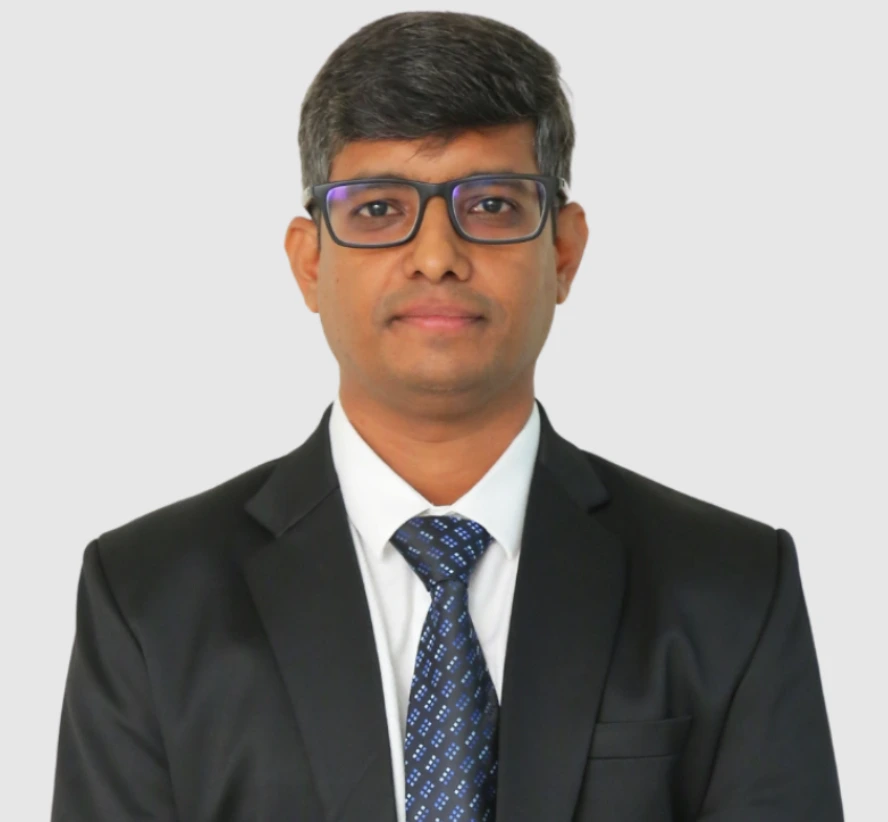
Patients searching for the Best parkinson’s doctors in India often seek specialists with expertise in movement disorders, advanced treatment options, and individualized patient care. Dr. Manish Baldia, a renowned neurosurgeon and movement disorder specialist, provides comprehensive evaluation and treatment for Parkinson’s disease, including advanced surgical options such as Deep Brain Stimulation (DBS) for appropriately selected patients.
Best Parkinson’s Doctors in India – Why Specialist Care Matters
Choosing among the Best parkinson’s doctors in India is important because Parkinson’s disease affects every patient differently. Symptoms, disease progression, and treatment response vary significantly, making individualized care essential.
At Lalbaug Diagnostics, every patient undergoes a detailed neurological assessment before a personalized treatment strategy is developed. The focus is on improving quality of life, preserving mobility, and helping patients maintain independence for as long as possible.
What Is Parkinson’s Disease?
Parkinson’s disease is a chronic neurodegenerative disorder caused primarily by the gradual loss of dopamine-producing nerve cells in the brain. Dopamine plays a vital role in coordinating smooth and controlled body movements.
As dopamine levels decline, patients may experience increasing difficulty with movement, balance, and coordination.
Although Parkinson’s disease is progressive, modern treatment options can significantly improve symptom control and daily functioning.
Common Symptoms of Parkinson’s Disease
Symptoms often develop gradually and may include:
- Tremors, especially at rest
- Slowness of movement (bradykinesia)
- Muscle stiffness
- Difficulty maintaining balance
- Changes in handwriting
- Reduced facial expressions
- Soft or low voice
- Shuffling gait
- Difficulty turning while walking
- Fatigue
- Sleep disturbances
- Constipation
- Mood changes
Recognizing early symptoms allows earlier diagnosis and better long-term management.
Diagnosis of Parkinson’s Disease
Diagnosis is primarily based on:
- Detailed neurological examination
- Clinical history
- Assessment of movement symptoms
- Brain imaging when required
- Evaluation of medication response
- Functional assessment
There is currently no single blood test that confirms Parkinson’s disease, making specialist evaluation particularly important.
Treatment Options
Management depends on disease stage, symptom severity, and individual patient needs.
Medications
Several medications help restore dopamine activity or improve movement control.
Rehabilitation
Patients often benefit from:
- Physiotherapy
- Occupational therapy
- Speech therapy
- Balance training
- Gait rehabilitation
Lifestyle Modifications
Regular exercise, balanced nutrition, and structured daily routines help maintain mobility and overall health.
Deep Brain Stimulation (DBS)
For carefully selected patients whose symptoms are not adequately controlled with medication, Deep Brain Stimulation may offer significant improvement.
DBS involves implanting electrodes into specific areas of the brain to regulate abnormal electrical activity associated with Parkinson’s disease.
Benefits of Comprehensive Parkinson’s Care
Patients receiving specialized care may benefit from:
- Early diagnosis
- Better symptom control
- Improved mobility
- Enhanced quality of life
- Reduced medication-related complications
- Personalized treatment plans
- Access to advanced therapies
- Long-term neurological follow-up
Multidisciplinary management helps address both motor and non-motor symptoms of Parkinson’s disease.
Benefits and Possible Risks of DBS Surgery
Benefits
For suitable candidates, DBS may help:
- Reduce tremors
- Improve movement
- Decrease medication requirements in selected patients
- Enhance daily functioning
- Improve quality of life
Possible Risks
As with any brain surgery, potential risks include:
- Bleeding
- Infection
- Device-related complications
- Temporary speech or balance changes
- Hardware malfunction
- Need for future programming adjustments
Patient selection is critical, and all potential risks and benefits are discussed before surgery.
Recovery and Long-Term Follow-Up
During my visit to Lalbaug Diagnostics, I observed that Parkinson’s management extends well beyond medications or surgery.
Patients receive guidance regarding:
- Exercise programs
- Nutrition
- Fall prevention
- Medication adherence
- Device programming (after DBS)
- Regular neurological assessments
- Rehabilitation support
- Caregiver education
Long-term follow-up helps optimize symptom control as the disease evolves.
Meet Dr. Manish Baldia
Dr. Manish Baldia is a highly experienced neurosurgeon and movement disorder specialist recognized for his expertise in advanced brain surgery, functional neurosurgery, and Parkinson’s disease management. As a leading Neuro Doctor in Mumbai, he focuses on evidence-based neurological care while offering advanced surgical solutions for appropriately selected patients.
Qualifications
Dr. Manish Baldia completed his MBBS followed by advanced postgraduate training in General Surgery and superspecialty qualifications in Neurosurgery. He has received specialized training in functional neurosurgery, movement disorders, Deep Brain Stimulation (DBS), brain tumor surgery, and minimally invasive neurosurgical procedures through national and international academic programs.
Clinical Experience
With extensive clinical experience, Dr. Manish Baldia has successfully treated numerous patients with Parkinson’s disease, essential tremor, dystonia, epilepsy, brain tumors, spinal disorders, and other complex neurological conditions. His expertise includes both medical decision-making and advanced neurosurgical interventions.
Clinic Environment
Lalbaug Diagnostics provides a modern, patient-centered environment equipped with advanced neurological diagnostic facilities and access to comprehensive neurosurgical evaluation. Patients benefit from detailed consultations, individualized treatment planning, multidisciplinary coordination, and structured long-term follow-up.
Expertise
Dr. Manish Baldia specializes in:
- Parkinson’s disease management
- Deep Brain Stimulation (DBS)
- Functional neurosurgery
- Brain tumor surgery
- Spine surgery
- Epilepsy surgery
- Movement disorders
- Minimally invasive neurosurgery
- Peripheral nerve disorders
- Complex neurological conditions
His approach combines advanced surgical expertise with compassionate, individualized patient care.
Why Choose Lalbaug Diagnostics?
During my visit, several strengths stood out:
- Comprehensive neurological evaluation
- Advanced movement disorder expertise
- Personalized treatment planning
- Access to DBS surgery
- Modern diagnostic facilities
- Multidisciplinary care
- Long-term patient follow-up
- Patient education and counseling
The clinic focuses on helping patients maintain function, independence, and quality of life through individualized neurological care.
Contact Dr. Manish Baldia
📞 96767 67507
📧 drmanishbaldia@gmail.com
Get Directions to the Clinic –Lalbaug Diagnostics and schedule your consultation today to explore personalized Parkinson’s care and advanced treatment options.
If you or a loved one is experiencing tremors, slowed movement, stiffness, balance difficulties, or other symptoms suggestive of Parkinson’s disease, consult Dr. Manish Baldia for a comprehensive neurological evaluation. Early diagnosis and individualized treatment can make a significant difference in symptom management and long-term quality of life.
Frequently Asked Questions
1. What are the earliest signs of Parkinson’s disease?
Early symptoms may include tremors, slowed movement, stiffness, reduced facial expressions, changes in handwriting, balance problems, and a softer voice.
2. Is Parkinson’s disease curable?
Currently, there is no cure. However, medications, rehabilitation, lifestyle modifications, and advanced therapies such as Deep Brain Stimulation can effectively manage symptoms and improve quality of life.
3. Who is eligible for Deep Brain Stimulation (DBS)?
DBS is generally considered for carefully selected patients with Parkinson’s disease whose symptoms are no longer adequately controlled with medication or who experience significant medication-related side effects.
4. Can exercise help patients with Parkinson’s disease?
Yes. Regular exercise, physiotherapy, balance training, and strength-building activities are important components of comprehensive Parkinson’s management and can help maintain mobility and functional independence.