
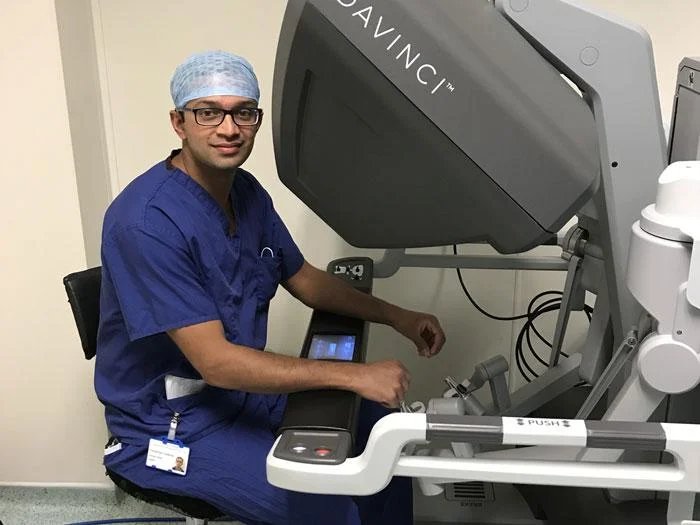
Gastrointestinal (GI) cancers affect the digestive system and may involve the esophagus, stomach, small intestine, colon, rectum, liver, pancreas, gallbladder, or appendix. Early diagnosis and timely surgical intervention play a vital role in improving treatment outcomes and quality of life. If you are searching for GI cancer surgery Mumbai, choosing a surgeon with specialized expertise in gastrointestinal and colorectal oncology is an important step toward receiving comprehensive and evidence-based care.
Dr. Chintamani Godbole, Consultant Colorectal and GI Cancer Surgeon at Gadre Hospital, specializes in the surgical management of complex gastrointestinal cancers. His approach combines advanced surgical techniques, multidisciplinary treatment planning, and individualized patient care to provide safe and effective treatment for a wide range of GI malignancies.
Why Choose GI Cancer Surgery Mumbai?
The management of gastrointestinal cancers often requires a coordinated approach involving surgical oncology, gastroenterology, medical oncology, radiation oncology, pathology, radiology, and critical care specialists.
Consulting an experienced GI cancer surgeon offers several advantages:
- Accurate diagnosis and cancer staging
- Individualized treatment planning
- Advanced surgical techniques
- Organ-preserving approaches where appropriate
- Minimally invasive surgery for selected patients
- Multidisciplinary cancer care
- Structured long-term follow-up
Early evaluation helps determine the most suitable treatment strategy based on the type and stage of cancer.
What is GI Cancer Surgery?
GI cancer surgery involves the removal of cancerous tissue from the digestive tract while preserving as much healthy tissue and organ function as possible. Surgery may be performed as a primary treatment or combined with chemotherapy, radiation therapy, targeted therapy, or immunotherapy.
Depending on the diagnosis, surgery may involve:
- Tumor removal
- Partial or complete organ resection
- Lymph node dissection
- Reconstructive procedures
- Cytoreductive surgery (CRS)
- Hyperthermic Intraperitoneal Chemotherapy (HIPEC) in selected patients
The treatment plan is personalized after detailed evaluation.
Types of GI Cancers Treated
Specialized surgical management is available for:
- Colon cancer
- Rectal cancer
- Stomach cancer
- Small bowel cancer
- Appendix cancer
- Peritoneal surface malignancies
- Gastrointestinal stromal tumors (GIST)
- Neuroendocrine tumors
- Selected liver metastases
- Complex colorectal conditions associated with malignancy
Each condition requires careful assessment to determine the most appropriate treatment.
Symptoms That Should Prompt Medical Evaluation
Patients should consult a specialist if they experience:
- Blood in stools
- Persistent abdominal pain
- Unexplained weight loss
- Changes in bowel habits
- Persistent constipation or diarrhea
- Loss of appetite
- Fatigue
- Anemia
- Abdominal swelling
- Persistent digestive symptoms
Early diagnosis may improve treatment options and outcomes.
How is GI Cancer Diagnosed?
Diagnosis usually involves:
Clinical Evaluation
The surgeon reviews:
- Symptoms
- Medical history
- Family history
- Previous investigations
- Overall health
Diagnostic Tests
Investigations may include:
- Colonoscopy
- Endoscopy
- CT scan
- MRI
- PET-CT (when indicated)
- Biopsy
- Blood investigations
Multidisciplinary Review
Treatment recommendations are often discussed by a multidisciplinary cancer team to develop a personalized management plan.
Surgical Treatment Options
Treatment depends on the cancer type, stage, and location.
Minimally Invasive Surgery
Laparoscopic or robotic-assisted surgery may be suitable for selected patients, offering smaller incisions and faster recovery.
Open Surgery
Complex cancers may require conventional open surgery to achieve complete tumor removal.
CRS and HIPEC
Selected patients with peritoneal surface cancers may benefit from Cytoreductive Surgery (CRS) combined with Hyperthermic Intraperitoneal Chemotherapy (HIPEC).
Meet Dr. Chintamani Godbole
Dr. Chintamani Godbole is a highly accomplished Colorectal Surgeon in Mumbai with specialized expertise in colorectal surgery, gastrointestinal oncology, peritoneal surface malignancies, and advanced cancer surgery. After completing his MBBS and postgraduate surgical training, he pursued advanced specialization in gastrointestinal and colorectal surgery, gaining extensive experience in the management of complex digestive tract cancers and minimally invasive surgical techniques.
Recognized for his expertise in Colorectal Surgery in Mumbai, Dr. Chintamani Godbole has successfully treated patients with colon cancer, rectal cancer, appendix tumors, peritoneal malignancies, inflammatory bowel disease, and other complex colorectal disorders. His clinical practice emphasizes evidence-based treatment, precise surgical planning, and multidisciplinary collaboration to achieve optimal patient outcomes.
At Gadre Hospital, patients benefit from a modern healthcare environment equipped with advanced diagnostic facilities, high-quality operating theatres, minimally invasive surgical technology, and comprehensive oncology support services. The hospital’s multidisciplinary approach brings together surgical oncologists, gastroenterologists, medical oncologists, radiologists, pathologists, anesthesiologists, and rehabilitation specialists to provide personalized care throughout every stage of treatment and recovery.
Benefits of Specialized GI Cancer Surgery
Patients may benefit from:
- Comprehensive cancer evaluation
- Personalized treatment planning
- Advanced minimally invasive techniques
- Improved surgical precision
- Multidisciplinary care
- Structured post-operative follow-up
- Organ preservation when appropriate
- Better quality of life
Benefits and Possible Risks
Benefits
- Expert cancer surgery
- Accurate staging
- Individualized treatment
- Comprehensive oncology care
- Advanced surgical techniques
- Evidence-based management
Possible Risks
As with any major cancer surgery, possible risks include:
- Bleeding
- Infection
- Wound complications
- Blood clots
- Temporary bowel dysfunction
- Procedure-specific complications depending on the type of surgery
Patients receive detailed counseling regarding expected outcomes and potential risks before surgery.
Recovery and Aftercare
Recovery recommendations commonly include:
- Early mobilization
- Nutritional support
- Wound care
- Regular follow-up appointments
- Gradual return to activity
- Medication adherence
- Lifestyle modifications
- Ongoing cancer surveillance
Recovery varies according to the extent of surgery and individual patient health.
Why Choose Dr. Chintamani Godbole?
Patients choose Dr. Chintamani Godbole because of his:
- Expertise in gastrointestinal and colorectal cancer surgery
- Experience with minimally invasive techniques
- CRS and HIPEC specialization
- Personalized treatment planning
- Multidisciplinary cancer care
- Evidence-based clinical practice
- Compassionate patient-centered approach
- Comprehensive post-operative follow-up
Contact Dr. Chintamani Godbole
📞+91 8108791470 | ☎️ +91 8451865944 (In case of emergency)
📧 drchintamanigodbole@gmail.com
📍Get Directions to the Clinic – Gadre Hospital, Mumbai
If you are looking for expert GI cancer surgery Mumbai, schedule a consultation with Dr. Chintamani Godbole at Gadre Hospital. A comprehensive evaluation can help determine the most appropriate treatment strategy based on your diagnosis, stage of disease, and overall health. Whether you require surgical treatment for colon cancer, rectal cancer, stomach cancer, appendix tumors, or peritoneal surface malignancies, Dr. Chintamani Godbole provides evidence-based, patient-centered care supported by a multidisciplinary team.
Frequently Asked Questions
1. What cancers are treated with GI cancer surgery?
GI cancer surgery is performed for cancers affecting the digestive tract, including colon, rectum, stomach, small intestine, appendix, and selected peritoneal surface malignancies.
2. Is minimally invasive surgery possible for GI cancers?
Yes. Many patients are candidates for laparoscopic or robotic-assisted surgery, depending on the type, size, and stage of the cancer, as well as the surgeon’s assessment.
3. What is CRS and HIPEC?
Cytoreductive Surgery (CRS) combined with Hyperthermic Intraperitoneal Chemotherapy (HIPEC) is an advanced treatment used for selected cancers that have spread to the lining of the abdominal cavity (peritoneum).
4. How long does recovery after GI cancer surgery take?
Recovery depends on the complexity of the procedure and the patient’s overall health. Many patients require several weeks for initial recovery, with ongoing follow-up and rehabilitation as needed.