
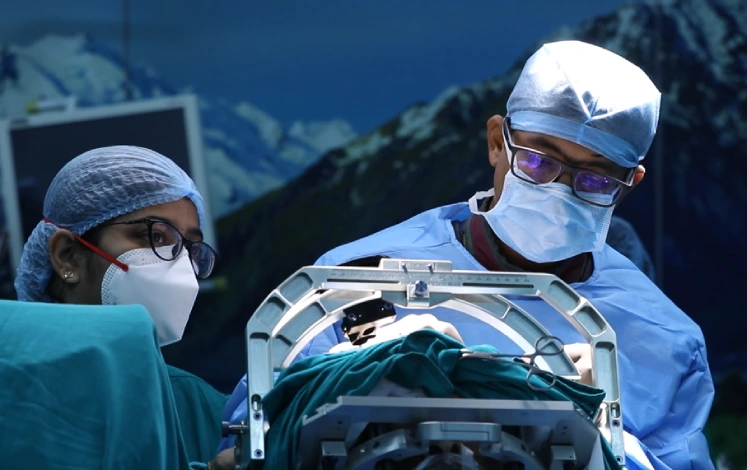
Deep Brain Stimulation (DBS) has transformed the treatment of several neurological movement disorders, offering symptom control for carefully selected patients when medications are no longer sufficiently effective. While many patients benefit from medical therapy, some may experience worsening tremors, stiffness, involuntary movements, or medication-related side effects that significantly affect daily life. One of the most common questions patients ask is about the Cost of DBS in India and what factors influence the overall expense of this advanced neurosurgical procedure.
Dr. Manish Baldia is an experienced neurosurgeon with expertise in functional neurosurgery and advanced brain procedures. He provides comprehensive evaluation, patient counseling, and multidisciplinary management to determine whether Deep Brain Stimulation is an appropriate treatment option for each individual.
Understanding the Cost of DBS in India
The Cost of DBS in India varies considerably because every patient’s condition, surgical requirements, and implanted device selection are unique. Rather than a single fixed price, the overall expense depends on several medical and logistical factors that are determined after a detailed neurological evaluation.
Factors that commonly influence the cost include:
- Type of neurological condition being treated
- Choice of DBS device and technology
- Number of electrodes implanted
- Hospital infrastructure
- Surgeon and multidisciplinary team expertise
- Length of hospital stay
- Diagnostic investigations
- Programming and follow-up visits
A personalized consultation is essential for obtaining an accurate treatment estimate.
What is Deep Brain Stimulation (DBS)?
Deep Brain Stimulation is an advanced functional neurosurgical procedure in which thin electrodes are implanted into carefully selected areas of the brain. These electrodes are connected to a small battery-operated neurostimulator placed beneath the skin, usually near the chest.
The neurostimulator delivers controlled electrical impulses that help regulate abnormal brain activity responsible for movement disorders.
Unlike destructive brain surgery, DBS is adjustable and reversible, allowing stimulation settings to be modified over time according to the patient’s needs.
Conditions Commonly Treated with DBS
DBS may be considered for carefully selected patients with:
- Parkinson’s disease
- Essential tremor
- Dystonia
- Selected cases of epilepsy
- Obsessive-compulsive disorder (in highly selected cases)
- Certain movement disorders
Eligibility depends on a comprehensive neurological assessment.
Who is a Suitable Candidate?
Patients may be considered for DBS if they:
- Have symptoms inadequately controlled with medication
- Experience disabling tremors
- Develop medication-related fluctuations
- Have preserved cognitive function
- Are medically fit for surgery
- Have realistic expectations
Every patient undergoes detailed evaluation before surgery is recommended.
How is DBS Performed?
The procedure generally involves several stages.
Pre-operative Evaluation
Patients undergo:
- Neurological assessment
- Brain imaging (MRI/CT)
- Neuropsychological evaluation
- Movement disorder assessment
- Medication review
Electrode Placement
Specialized imaging and navigation systems guide precise electrode placement within the brain.
Neurostimulator Implantation
A pulse generator is implanted beneath the skin and connected to the brain electrodes.
Programming
After recovery, the neurostimulator is programmed and adjusted over multiple follow-up visits to achieve optimal symptom control.
Factors Affecting the Cost of DBS
Several variables influence treatment costs, including:
Implant Technology
Different manufacturers and device models offer varying features, battery life, rechargeability, and programming capabilities.
Hospital Facilities
Advanced neurosurgical centers equipped with specialized imaging, operating rooms, and intensive care services may influence overall costs.
Diagnostic Work-Up
Comprehensive pre-operative investigations contribute to individualized treatment planning.
Follow-Up Programming
DBS requires long-term device programming and adjustments, which form an important part of successful treatment.
Meet Dr. Manish Baldia
Dr. Manish Baldia is a highly experienced neurosurgeon with expertise in functional neurosurgery, brain tumor surgery, spine surgery, minimally invasive neurosurgery, and advanced neurological procedures. He has completed extensive medical and surgical training in neurosurgery and has gained significant clinical experience managing complex disorders affecting the brain, spine, and nervous system.
Recognized by many patients as a trusted Neuro Doctor in Mumbai, Dr. Manish Baldia has extensive experience performing sophisticated neurosurgical procedures, including Deep Brain Stimulation (DBS), awake brain surgery, brain tumor surgery, and complex spinal interventions. His approach emphasizes evidence-based treatment, precise surgical planning, patient education, and individualized neurological care.
Patients consulting Dr. Manish Baldia benefit from evaluation in a modern clinical environment supported by advanced neuroimaging, neuronavigation technology, high-end operating microscopes, and multidisciplinary neurological care. Working alongside neurologists, neuroanesthetists, rehabilitation specialists, physiotherapists, and movement disorder experts, he provides comprehensive management from diagnosis through surgery and long-term follow-up.
Benefits of DBS Surgery
For appropriately selected patients, DBS may help:
- Reduce tremors
- Improve movement control
- Decrease medication-related side effects
- Enhance quality of life
- Improve daily functioning
- Provide adjustable therapy
- Offer long-term symptom management
Results vary depending on the underlying neurological condition and individual patient factors.
Benefits and Possible Risks
Benefits
- Adjustable treatment
- Reversible procedure
- Personalized stimulation settings
- Long-term symptom control
- Improved independence
- Better quality of life
Possible Risks
As with any brain surgery, potential risks include:
- Infection
- Bleeding
- Temporary speech changes
- Device-related complications
- Lead displacement
- Stimulation-related side effects
Careful patient selection and experienced surgical teams help minimize these risks.
Recovery and Long-Term Care
Recovery involves:
- Hospital observation
- Wound care
- Gradual return to activities
- Regular neurologist follow-up
- Device programming sessions
- Medication adjustments
- Ongoing neurological assessment
Long-term success depends on appropriate programming and regular follow-up.
Why Choose Dr. Manish Baldia?
Patients choose Dr. Manish Baldia because of his:
- Expertise in functional neurosurgery
- Experience with Deep Brain Stimulation
- Advanced neurosurgical techniques
- Comprehensive neurological evaluation
- Multidisciplinary patient care
- Personalized treatment planning
- Evidence-based clinical practice
- Focus on improving quality of life
Contact Dr. Manish Baldia
📞 96767 67507
📧 drmanishbaldia@gmail.com
Get Directions to the Clinic – Lalbaug Diagnostics
If you would like to understand the Cost of DBS in India and determine whether Deep Brain Stimulation is appropriate for your condition, schedule a consultation with Dr. Manish Baldia. A detailed neurological evaluation can help assess your symptoms, review previous treatments, and determine the most suitable management plan. Whether you have Parkinson’s disease, essential tremor, dystonia, or another movement disorder, expert guidance can help you understand the procedure, expected outcomes, follow-up requirements, and overall treatment costs.
Frequently Asked Questions
1. What factors influence the Cost of DBS in India?
The overall cost depends on the neurological condition, type of DBS device, hospital facilities, surgeon’s expertise, diagnostic investigations, hospital stay, and long-term programming requirements.
2. Is DBS a permanent cure for Parkinson’s disease?
No. DBS does not cure Parkinson’s disease, but it may significantly improve symptoms and quality of life in carefully selected patients by reducing tremors, stiffness, and movement fluctuations.
3. How long does a DBS device last?
Battery life depends on the type of device and stimulation settings. Rechargeable systems generally last longer than non-rechargeable devices and require periodic maintenance according to the manufacturer’s recommendations.
4. Will I still need medications after DBS surgery?
Many patients continue taking medications after DBS, although dosages may often be adjusted based on symptom improvement. Your neurologist will individualize the treatment plan.