
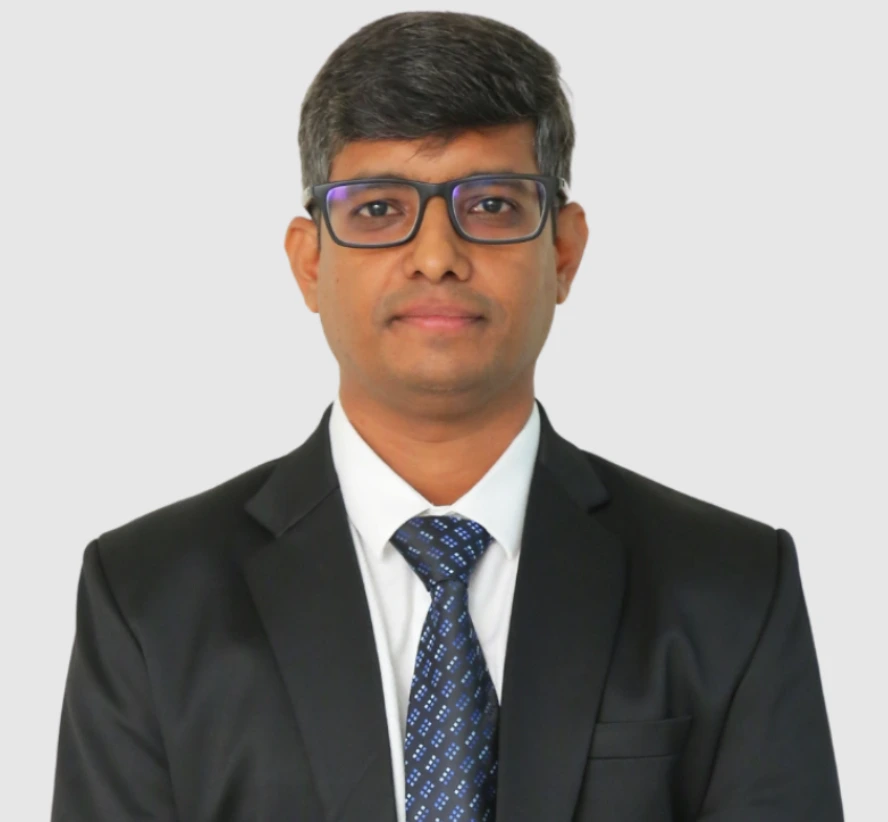
Functional neurosurgery focuses on treating neurological conditions that affect movement, brain function, and the nervous system through highly precise surgical and neuromodulation techniques. Conditions such as Parkinson’s disease, dystonia, epilepsy, and other complex neurological disorders may require specialized evaluation. Dr. Manish Baldia is a functional neurosurgeon associated with Lalbaug Diagnostics in Mumbai and is recognized as a Best functional neurosurgeon Mumbai for his expertise in Deep Brain Stimulation (DBS), stereotactic procedures, complex brain and spine surgery, and advanced management of movement disorders. His approach combines detailed assessment, precision-based surgical planning, and individualized treatment.
Best Functional Neurosurgeon Mumbai – Dr. Manish Baldia
Dr. Manish Baldia is an internationally recognized functional neurosurgeon with more than a decade of experience in treating complex neurological disorders. He specializes in Deep Brain Stimulation for Parkinson’s disease, dystonia, and other movement disorders. His clinical practice also includes complex brain and spine surgeries and stereotactic procedures.
Dr. Manish Baldia has performed numerous DBS procedures and has extensive experience in DBS programming and management of complex or failed DBS cases. His practice emphasizes careful patient assessment, accurate diagnosis, appropriate treatment selection, and long-term follow-up, making him a trusted choice for patients seeking the Best functional neurosurgeon Mumbai.
Qualifications and Clinical Experience of Dr. Manish Baldia
Dr. Manish Baldia completed his MBBS and subsequently obtained his MCh in Neurosurgery from Christian Medical College (CMC), Vellore, in 2017. He also completed a Fellowship in Functional Neurosurgery and Neuromodulation (EEPIN) in London.
His academic and clinical background includes experience as an Assistant and Associate Professor of Neurosurgery at CMC Vellore. During this period, he assisted in more than 1,200 cases and independently performed over 400 complex cranial and spinal procedures.
Dr. Manish Baldia currently serves as a Consultant Functional Neurosurgeon at multiple institutions, including Lalbaug Diagnostics in Mumbai. His professional experience covers functional neurosurgery, movement disorders, DBS, stereotactic procedures, and complex brain and spine surgery.
His professional recognition includes the Young Neurosurgeon Award, Best Researcher Awards at CMC Vellore, the 3-Minute Thesis Award, and awards for research papers and posters at national academic conferences.
Neuro Doctor in Mumbai for Complex Neurological Conditions
A Neuro Doctor in Mumbai may evaluate symptoms involving the brain, spinal cord, and nervous system. Functional neurosurgery is a specialized area that may be considered when certain neurological conditions do not respond adequately to conventional treatment or when a surgical intervention is clinically appropriate.
Dr. Manish Baldia’s areas of expertise include:
- Deep Brain Stimulation
- Parkinson’s disease
- Dystonia
- Movement disorders
- Epilepsy and seizures
- Stereotactic neurosurgery
- Complex brain surgery
- Complex spine surgery
- Spinal cord tumour surgery
- Cranioplasty
- Neuromodulation
The appropriate treatment depends on the patient’s diagnosis, symptoms, medical history, investigations, and previous treatment response.
Understanding Deep Brain Stimulation
Deep Brain Stimulation is one of the important areas of functional neurosurgery. DBS involves placing electrodes in specific areas of the brain and connecting them to a device that delivers controlled electrical stimulation.
It may be considered for selected patients with conditions such as Parkinson’s disease and dystonia. Patient selection is an important part of the process, as not every individual with a movement disorder is automatically a candidate for DBS.
Dr. Manish Baldia has specialized experience in DBS surgery, programming, and management of complex cases. His practice also incorporates advanced targeting approaches, including white matter tractography-guided targeting in selected cases.
DBS Programming and Long-Term Management
DBS treatment does not necessarily end with the surgical procedure. Programming and follow-up can be important components of ongoing care.
DBS programming involves adjusting stimulation parameters according to the patient’s symptoms, response, and clinical requirements. Dr. Manish Baldia has conducted more than 1,500 advanced DBS programming sessions according to information provided on his professional website.
This ongoing management can be particularly relevant for patients who require adjustments over time or those experiencing challenges with an implanted DBS system.
Treatment of Parkinson’s Disease and Movement Disorders
Parkinson’s disease can cause symptoms such as tremors, stiffness, slowness of movement, and difficulties with balance and coordination. Treatment is generally individualized and may involve medications, rehabilitation, lifestyle measures, and, for selected patients, advanced interventions such as DBS.
Dystonia is another movement disorder that can cause involuntary muscle contractions and abnormal postures. Functional neurosurgical approaches, including DBS in appropriately selected patients, may be considered when symptoms significantly affect quality of life.
Dr. Manish Baldia specializes in surgical management of Parkinson’s disease, dystonia, and other complex movement disorders.
Expertise in Complex and Stereotactic Neurosurgery
Stereotactic neurosurgery uses precise imaging and computer-assisted planning to target specific areas of the brain. Precision is particularly important in functional neurosurgery because the structures involved can be small and located close to critical areas.
Dr. Manish Baldia’s expertise includes stereotactic procedures as well as complex cranial and spinal surgeries. His earlier academic experience at CMC Vellore included independently performing more than 400 complex cranial and spinal procedures.
Depending on the diagnosis, patients may undergo advanced investigations and multidisciplinary evaluation before a surgical procedure is recommended.
Clinic Environment at Lalbaug Diagnostics
Dr. Manish Baldia provides consultation at Lalbaug Diagnostics in Lal Baug, Parel, Mumbai. The centre provides a professional setting for neurological consultations and evaluation.
The clinic’s location is listed as Dr Babasaheb Ambedkar Marg, near Ladu Samrat Vada Pav and opposite Avighna IX, Lal Baug, Parel, Mumbai – 400012.
A consultation typically involves understanding the patient’s symptoms, reviewing previous medical records and investigations, conducting a neurological assessment, and discussing possible treatment options.
For patients considering functional neurosurgery, understanding the diagnosis and available alternatives is an important part of treatment planning.
When Should You Consult a Functional Neurosurgeon?
A specialist consultation may be considered when neurological symptoms persist despite treatment or when a patient has been diagnosed with a condition that may benefit from functional neurosurgical evaluation.
Common reasons for seeking consultation include:
- Parkinson’s disease with difficult-to-control symptoms
- Severe or persistent tremors
- Dystonia
- Complex movement disorders
- Selected cases of epilepsy or seizures
- Neurological symptoms requiring stereotactic evaluation
- Problems associated with a previous DBS implant
- Complex brain or spine conditions
A functional neurosurgeon can assess the diagnosis and determine whether surgery, neuromodulation, medication management, or another treatment approach is appropriate.
Why Specialized Functional Neurosurgical Expertise Matters
Functional neurosurgery requires detailed knowledge of brain anatomy, movement disorders, neuromodulation, imaging, and precision surgical techniques. Patient selection and treatment planning are important because surgical intervention is not appropriate for every neurological condition or every patient.
Dr. Manish Baldia’s training at CMC Vellore, fellowship in Functional Neurosurgery and Neuromodulation in London, academic experience, DBS expertise, and work with complex cranial and spinal procedures form the foundation of his clinical practice.
His treatment philosophy emphasizes thorough assessment, precise diagnosis, personalized treatment planning, and continued support throughout the patient’s care journey.
Frequently Asked Questions
1. What conditions does Dr. Manish Baldia treat?
Dr. Manish Baldia specializes in functional neurosurgery and treats conditions including Parkinson’s disease, dystonia, movement disorders, epilepsy and seizures. His practice also includes complex brain and spine surgeries, stereotactic procedures, and other neurosurgical conditions.
2. What is Deep Brain Stimulation?
Deep Brain Stimulation is a neurosurgical treatment involving the placement of electrodes in specific brain regions to deliver controlled electrical stimulation. It may be considered for selected patients with movement disorders such as Parkinson’s disease and dystonia.
3. Does DBS require follow-up after surgery?
Yes. DBS patients generally require ongoing follow-up and programming to optimize stimulation settings according to their symptoms and clinical response. Dr. Manish Baldia has extensive experience in advanced DBS programming.
4. How can I book a consultation with Dr. Manish Baldia?
You can contact Dr. Manish Baldia’s clinic directly using the phone number or email provided below to enquire about appointments and consultation availability.
Book a Consultation with Dr. Manish Baldia
If you or a family member has been diagnosed with Parkinson’s disease, dystonia, a complex movement disorder, or another neurological condition requiring specialized assessment, a consultation can help you understand the available treatment options.
📞 96767 67507
📧 drmanishbaldia@gmail.com
Get Directions to the Clinic – Lalbaug Diagnostics
Schedule a consultation with Dr. Manish Baldia to discuss your neurological condition, review available treatment options, and understand whether functional neurosurgical care may be appropriate for your individual needs.