
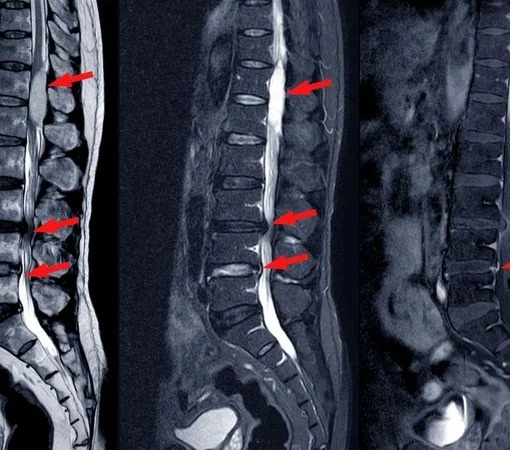
As a medical journalist researching specialist spine care in Mumbai, I found that lumbar spinal stenosis can gradually affect walking, standing and everyday mobility. The condition occurs when the space available for nerves in the lower spine becomes narrowed, potentially causing pain, tingling, numbness or weakness in the back and legs. For patients researching Lumbar spine stenosis treatment in Mumbai, understanding the cause, severity and available treatment options is important before considering surgery. Synapse Spine describes spinal stenosis as a condition in which narrowing around the nerves can create compression, with treatment focused on relieving pressure when clinically necessary.
Lumbar spine stenosis treatment in Mumbai: What Is Lumbar Spinal Stenosis?
Lumbar spinal stenosis refers to narrowing of the spinal canal or the spaces through which spinal nerves pass in the lower back. Degenerative changes associated with ageing are a common cause. Disc degeneration, thickened ligaments, bone spurs and herniated discs can progressively reduce the available space around nerves. Other possible causes include congenital narrowing, previous trauma and, less commonly, tumours.
Symptoms can develop gradually. Patients may experience lower-back pain, discomfort in the thighs or legs, numbness, tingling, muscle weakness or sciatica. Symptoms may become more noticeable with standing or walking. Severe nerve compression can occasionally lead to foot drop or bowel and bladder problems and requires prompt medical assessment.
Causes and Symptoms of Lumbar Spinal Stenosis
Age-related wear and tear is one of the most frequent contributors to lumbar stenosis. As spinal discs lose height and flexibility, joints and ligaments can change, while bone spurs may develop. These changes can progressively reduce the space surrounding nerve roots.
Common symptoms include:
- Persistent or recurring lower-back pain
- Pain travelling into the buttocks or legs
- Numbness or tingling
- Muscle weakness
- Sciatica
- Difficulty walking or maintaining balance
- Foot drop in more advanced cases
Not everyone with spinal narrowing on an imaging scan has symptoms. Therefore, treatment decisions should be based on the patient’s symptoms, examination and imaging findings rather than an MRI report alone.
How Is Lumbar Spinal Stenosis Diagnosed?
A clinical assessment generally begins with a detailed medical history and neurological examination. The doctor may assess muscle strength, reflexes, sensation, walking ability and the distribution of pain.
Imaging can then help identify structural narrowing. Synapse Spine’s information describes several diagnostic tools. X-rays can show bone structures, alignment and joint changes. CT scans provide detailed information about bony anatomy and the spinal canal, while MRI is particularly useful for assessing discs, nerve roots and other soft tissues.
A myelogram may sometimes be considered when MRI cannot be performed or does not provide sufficient information. It uses contrast material to outline the nerves and spinal cord and can help identify areas of compression.
Non-Surgical Treatment Options
Not every patient with lumbar spinal stenosis requires surgery. Depending on the severity of symptoms, treatment may initially involve conservative measures.
Medication can be used to manage pain and inflammation under medical supervision. Physical therapy may focus on improving flexibility, strength, endurance and spinal stability. Synapse Spine also lists epidural injections as an option for selected patients to help manage inflammation and pain around affected nerves.
The appropriate combination depends on the patient’s symptoms, age, health, functional limitations and response to previous treatment.
When Is Surgery Considered?
Surgery may be considered when symptoms remain significant despite appropriate non-surgical management or when nerve compression causes progressive neurological problems. The purpose of surgery is generally to decompress the affected nerve structures and, where necessary, stabilize the spine.
The surgical approach depends on the underlying anatomy and whether there is instability, disc disease, deformity or another structural problem. Synapse Spine lists procedures such as laminectomy, discectomy, foraminotomy, spinal fusion, artificial disc replacement and decompression surgery among surgical options for spinal stenosis.
Patients should not assume that one operation is suitable for every case. A spine surgeon should explain why a particular procedure is being recommended and what alternatives may be available.
Expertise of Synapse Spine Surgeons
Synapse Spine’s team includes specialists from orthopaedic spine surgery and neurosurgery backgrounds. The centre states that its doctors use clinical expertise, modern technology and individualized treatment planning for spinal disorders, including spinal stenosis.
Dr. Nandan Marathe is an Orthopaedic Spine Surgeon with MBBS and MS Orthopaedics training from KEM Hospital, Mumbai, where he was a gold medallist with distinction. His additional training includes a clinical fellowship in complex spine surgery and spinal deformities at the University of Toronto, spinal tumour training at Instituto Ortopedico Rizzoli in Italy, and minimally invasive and endoscopic spine surgery training in South Korea. His profile also records more than 146 peer-reviewed publications.
Dr. Aditya Raj is an Orthopaedic Spine Surgeon who trained at Seth G.S. Medical College and KEM Hospital and graduated at the top of his class. His advanced training includes the AO Spine North America complex spine surgery fellowship at the University of Toronto, a spine fellowship at Stavya Spine Hospital and Research Institute, and training in paediatric and adult spinal deformities at Samsung Medical Centre in Seoul. He has also received training in uniportal and biportal endoscopic spine surgery.
The team also includes neurospine expertise. Dr. Anuj Bhide holds MBBS, MS General Surgery and MCh Neurosurgery qualifications, is a gold medallist from Grant Medical College and JJ Hospitals, and completed a fellowship in skull-base and vascular surgery at Fujita Health University in Japan. His profile records more than nine years of experience as a consultant brain and spine surgeon in Mumbai.
Clinic Environment and Patient-Centred Care
Synapse Spine describes its approach as combining modern technology, specialist expertise and patient-centred care. Its team includes both orthopaedic and neurosurgical specialists, allowing patients with different spinal conditions to be assessed according to the nature and complexity of their problem.
The practice has consultation locations in several Mumbai neighbourhoods. Listed locations include Kirit Nursing Home in Vile Parle East, a clinic in Bandra West and an Andheri East location associated with Dr. Anuj Bhide.
Patients should confirm the specific surgeon’s consulting location and appointment availability before travelling.
Choosing a Specialist for Lumbar Spinal Stenosis
When comparing options for Lumbar spine stenosis treatment in Mumbai, patients can look beyond generic claims about being a “Top Spine Specialist in Mumbai, India.” Relevant factors include specialist qualifications, fellowship training, experience with lumbar stenosis, familiarity with minimally invasive techniques where appropriate, access to diagnostic imaging and a willingness to explain both surgical and non-surgical alternatives.
The Synapse Spine surgeons have different areas of training and expertise. Some specialize in complex spinal deformities and minimally invasive surgery, while others bring neurosurgical expertise or experience in pain management and conventional spine surgery.
This range of expertise can be relevant when a patient’s lumbar stenosis is associated with other conditions such as disc disease, instability, deformity or neurological compression.
Benefits and Risks of Treatment
The potential benefit of treatment is relief of symptoms and improvement in mobility and daily function when the underlying nerve compression is appropriately addressed. Non-surgical treatment may help manage symptoms, while decompression surgery can be considered for selected patients with persistent or progressive nerve compression.
However, spine surgery carries potential risks, including infection, bleeding, nerve injury, persistent symptoms, blood clots, spinal-fluid leakage and the possibility of additional surgery. The exact risks depend on the procedure and the patient’s health.
A patient should therefore understand the diagnosis, expected benefits, alternatives, recovery period and potential complications before consenting to surgery.
Frequently Asked Questions
1. Can lumbar spinal stenosis be treated without surgery?
Yes. Depending on symptoms and severity, treatment can include medication, physical therapy and selected injections. Surgery is generally considered when conservative treatment does not adequately control symptoms or when significant neurological compression is present.
2. What symptoms suggest lumbar spinal stenosis?
Typical symptoms include lower-back or leg pain, numbness, tingling, muscle weakness, sciatica and difficulty walking or standing. Severe cases can involve foot drop or bowel and bladder dysfunction.
3. Is surgery always required for spinal stenosis?
No. Imaging findings alone do not necessarily mean surgery is required. Treatment depends on symptoms, neurological findings, severity, functional limitations and response to non-surgical management.
4. How can I consult Synapse Spine?
Patients can contact Synapse Spine at +91 81698 45056 or synapsespine@gmail.com to enquire about appointments, the appropriate specialist and the relevant clinic location.
Consultation and Directions to Synapse Spine
If you are considering Lumbar spine stenosis treatment in Mumbai, Synapse Spine can be contacted to arrange an assessment with an appropriate spine specialist.
📞 +91 81698 45056 | +91 93726 71858 | +91 93211 24611
📧 synapsespine@gmail.com
Get Directions to the Clinic – Synapse Spine, Mumbai
If persistent back or leg pain, numbness, weakness or walking difficulty is affecting your daily life, contact Synapse Spine to schedule a consultation.