
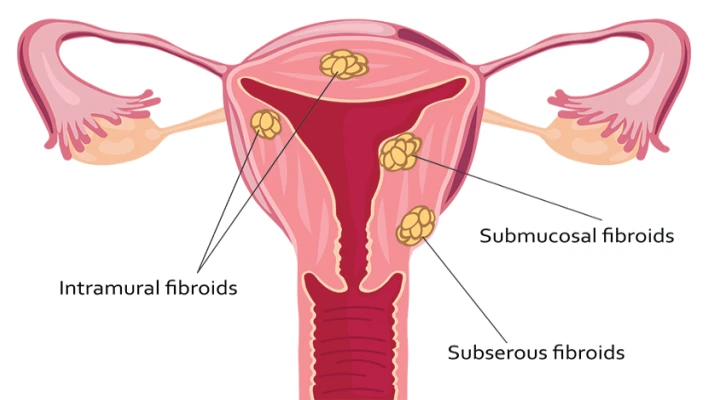
Uterine fibroids are a common gynecological condition affecting many women during their reproductive years. While some fibroids may not cause noticeable symptoms, others can lead to heavy menstrual bleeding, pelvic pain, pressure symptoms, frequent urination, fertility concerns, and discomfort that affects everyday life.
The good news is that not every fibroid requires surgery. The right treatment depends on factors such as the size, number, and location of the fibroids, along with a woman’s symptoms, age, and future pregnancy plans.
If you are looking for a fibroids and myomectomy specialist in vile parle east, it is important to consult an experienced gynecologist who can carefully evaluate your condition and recommend an appropriate treatment plan.
At Kirit Nursing Home, Dr. Maitreyee Parulekar provides personalised care for women with uterine fibroids and offers advanced treatment options, including minimally invasive and robotic-assisted myomectomy when clinically appropriate.
What Are Uterine Fibroids?
Uterine fibroids, also known as leiomyomas or myomas, are non-cancerous growths that develop in or around the uterus. Their size can vary significantly, ranging from very small growths to larger fibroids that may affect the shape and size of the uterus.
Fibroids can occur in different locations, including:
- Intramural fibroids: Develop within the muscular wall of the uterus
- Subserosal fibroids: Grow on the outer surface of the uterus
- Submucosal fibroids: Develop beneath the inner lining of the uterus
- Pedunculated fibroids: Attached to the uterus by a stalk-like structure
The type and location of fibroids can influence the symptoms experienced and the treatment approach recommended.
What Causes Uterine Fibroids?
The exact cause of fibroids is not always known. However, several factors may contribute to their development.
These can include:
- Hormonal influences, particularly estrogen and progesterone
- Family history of fibroids
- Genetic factors
- Reproductive age
- Obesity
- Certain lifestyle and health factors
Fibroids often develop during the reproductive years and may change in size due to hormonal fluctuations.
Common Symptoms of Fibroids
Some women with fibroids may not experience any symptoms. However, depending on their size and location, fibroids can cause significant discomfort.
Common symptoms include:
- Heavy or prolonged menstrual bleeding
- Painful periods
- Pelvic pain or pressure
- Lower abdominal discomfort
- Frequent urination
- Constipation
- Backache
- Abdominal enlargement
- Pain during intercourse
- Difficulty becoming pregnant
- Recurrent pregnancy complications in selected cases
Persistent symptoms should not be ignored. A proper gynecological evaluation can help determine whether fibroids are responsible for the symptoms and whether treatment is required.
When Is Fibroid Treatment Necessary?
Not every woman diagnosed with fibroids requires surgery. Small, asymptomatic fibroids may simply be monitored through regular follow-up.
Treatment may be considered when fibroids cause:
- Excessive menstrual bleeding
- Severe pelvic pain
- Significant pressure symptoms
- Rapid increase in size
- Fertility concerns
- Repeated miscarriage in selected cases
- Distortion of the uterine cavity
- Anaemia due to heavy bleeding
- Difficulty with daily activities
The treatment plan should always be personalised according to the patient’s condition and reproductive goals.
What Is Myomectomy?
Myomectomy is a surgical procedure performed to remove uterine fibroids while preserving the uterus.
This makes myomectomy an important treatment option for women who wish to retain their uterus or may want to consider pregnancy in the future.
Depending on the size, number, and location of the fibroids, myomectomy may be performed using different surgical approaches.
Hysteroscopic Myomectomy
Hysteroscopic myomectomy may be considered for certain fibroids located inside the uterine cavity. The procedure is performed using specialised instruments inserted through the vagina and cervix, without abdominal incisions.
Laparoscopic Myomectomy
Laparoscopic myomectomy is a minimally invasive procedure performed through small incisions in the abdomen. A camera and specialised surgical instruments are used to remove suitable fibroids.
Potential benefits may include:
- Smaller incisions
- Reduced visible scarring
- Less post-operative discomfort
- Shorter hospital stay
- Faster recovery
Open Myomectomy
In some cases, an open surgical approach may be recommended, especially when fibroids are very large, numerous, or located in complex positions.
The most suitable technique depends on the patient’s individual condition.
Advanced Robotic Myomectomy
Robotic-assisted surgery may be considered for selected women with fibroids. Robotic technology can provide enhanced visualisation and precise movement during complex surgical procedures.
As a Robotic Gynecologist In Vile Parle, Mumbai, Dr. Maitreyee Parulekar has expertise in advanced minimally invasive surgical techniques, including robotic gynecological surgery.
Robotic-assisted surgery may be useful in selected complex cases, particularly where precision and careful surgical dissection are required. However, the choice between hysteroscopic, laparoscopic, robotic, and open surgery should always be based on a detailed medical evaluation.
About Dr. Maitreyee Parulekar
Dr. Maitreyee Parulekar is an experienced gynecologist specialising in advanced gynecological surgery, minimally invasive procedures, robotic surgery, and gynecological oncology.
Her professional qualifications and advanced training include:
- Master’s degree in Obstetrics and Gynecology from KEM
- MRCOG from the United Kingdom
- FMAS from MUHS
- Fellowship in Gynecological Oncosurgery
- Advanced training in Robotic Surgery
- Fellowship experience in Seoul, South Korea
- Visiting Fellowship at Mount Sinai Hospital, Toronto
- Gold Medalist associated with GSMC and KEM Hospital
Her training and clinical experience allow her to manage both common and complex gynecological conditions using an individualised treatment approach.
As a recognised Top Gynae Oncologist In Mumbai, Dr. Maitreyee Parulekar combines advanced surgical expertise with detailed patient counselling and compassionate care.
Her areas of expertise include:
- Fibroid management
- Myomectomy
- Laparoscopic gynecological surgery
- Robotic gynecological surgery
- Hysteroscopic procedures
- Endometriosis treatment
- Ovarian cyst surgery
- Gynecological cancer surgery
- Fertility-preserving surgery
- Complex pelvic surgery
Personalised Fibroid Care at Kirit Nursing Home
A diagnosis of fibroids can create anxiety, especially when surgery is recommended. Many women have concerns about fertility, pregnancy, recovery, recurrence, and whether the uterus can be preserved.
At Kirit Nursing Home, Dr. Maitreyee Parulekar focuses on understanding each patient’s individual concerns before recommending treatment.
The care approach includes:
- Detailed clinical consultation
- Review of ultrasound and MRI reports
- Evaluation of fibroid size and location
- Assessment of symptoms
- Discussion of fertility goals
- Personalised treatment planning
- Guidance regarding minimally invasive options
- Pre-operative preparation
- Post-operative follow-up
Patients are encouraged to understand their diagnosis and available treatment options before making an informed decision.
Can Fibroids Affect Fertility?
Fibroids may affect fertility in some women, although many women with fibroids can conceive naturally.
The impact of fibroids on fertility depends largely on their location and size. Submucosal fibroids, which grow into the uterine cavity, may have a greater effect on implantation and pregnancy outcomes in some cases.
Large fibroids or fibroids that distort the uterus may also contribute to fertility challenges.
Myomectomy may be considered for selected women with fertility concerns. However, surgery is not necessary for every woman with fibroids.
A detailed evaluation by an experienced gynecologist can help determine whether treatment is likely to improve reproductive outcomes.
Recovery After Myomectomy
Recovery depends on the type of myomectomy performed.
Women undergoing hysteroscopic or laparoscopic procedures may generally experience a shorter recovery period compared with traditional open surgery. However, recovery timelines can vary depending on the complexity of the procedure and the patient’s overall health.
Following surgery, patients may receive guidance regarding:
- Pain management
- Wound care
- Physical activity
- Diet
- Returning to work
- Exercise restrictions
- Future pregnancy planning
- Follow-up appointments
It is important to follow the surgeon’s instructions carefully to support a healthy recovery.
Why Choose an Experienced Specialist for Fibroid Treatment?
Fibroid management requires more than simply deciding whether surgery is needed. An experienced specialist considers several factors before recommending treatment.
These include:
- Size of the fibroids
- Number of fibroids
- Location within the uterus
- Severity of symptoms
- Patient’s age
- Fertility goals
- Previous surgeries
- Overall health
The right approach can help ensure that treatment is tailored to the woman’s medical and personal needs.
For women seeking a fibroids and myomectomy specialist in vile parle east, expert evaluation can help clarify whether observation, medication, minimally invasive treatment, or surgery may be the most suitable option.
Take the First Step Towards Better Gynecological Health
Heavy menstrual bleeding, pelvic pain, pressure symptoms, or fertility concerns should not be ignored. Early consultation can help identify the cause and allow appropriate treatment planning.
Dr. Maitreyee Parulekar provides comprehensive evaluation and advanced surgical options for women dealing with uterine fibroids.
Book Your Consultation with Dr. Maitreyee Parulekar
Take an informed step toward better gynecological health with expert evaluation and personalised fibroid treatment guidance.
📞 Call: +91 72087 27500
📧 Email: info@drmaitreyeegynec.in
📍 Get directions to Kirit Nursing Home
Frequently Asked Questions
1. What is the best treatment for uterine fibroids?
The best treatment depends on the size, number, location of the fibroids, symptoms, age, and future pregnancy plans. Some women may only require observation, while others may benefit from medication or surgical procedures such as myomectomy.
2. What is myomectomy?
Myomectomy is a surgical procedure that removes uterine fibroids while preserving the uterus. It may be considered for women who wish to retain their uterus or have future fertility plans.
3. Can fibroids grow back after myomectomy?
Myomectomy removes existing fibroids, but new fibroids can develop in the future. Regular follow-up and monitoring may be recommended based on the individual’s condition.
4. Is laparoscopic or robotic myomectomy better?
Both laparoscopic and robotic myomectomy are advanced minimally invasive techniques. The most suitable option depends on the size, number, and location of fibroids, as well as the complexity of the surgery. Your gynecologist can recommend the appropriate approach after evaluation.