
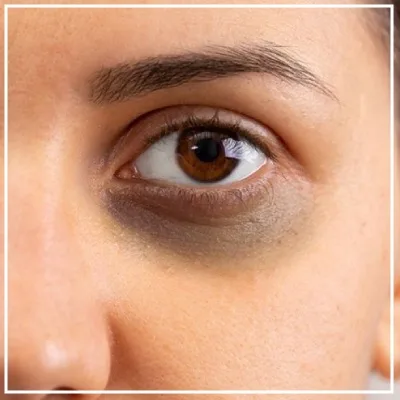
Dark circles are one of the most common cosmetic concerns affecting both men and women. They can make a person appear tired, stressed, or older, even after getting adequate rest. While lack of sleep is often blamed for dark circles, the actual causes can be much more complex. Genetics, pigmentation, ageing, allergies, dehydration, lifestyle habits, and changes in the structure beneath the eyes can all contribute to their appearance.
If you are considering Dark Circles Treatment in Mumbai, understanding the underlying cause is the first step towards choosing the most appropriate solution. A personalised dermatological evaluation can help identify whether dark circles are caused by pigmentation, visible blood vessels, volume loss, or a combination of factors.
At Viva Aesthetic Clinic, Dr. Deepam Shah provides personalised treatment options for under-eye concerns using modern dermatological and aesthetic techniques.
What Are Dark Circles?
Dark circles refer to the darkening or shadow-like appearance around or beneath the eyes. The under-eye area has thin and delicate skin, which can make pigmentation, blood vessels, hollowness, and structural changes more noticeable.
Dark circles may appear in different shades, including:
- Brown
- Black
- Blue
- Purple
- Pinkish tones
The appearance can vary depending on the underlying cause and an individual’s skin type.
Because not all dark circles are the same, a proper assessment is important before selecting any cosmetic or dermatological treatment.
Different Types of Dark Circles
Dark circles can generally be classified into different categories.
Pigmented Dark Circles
Pigmented dark circles occur due to increased melanin production around the eyes. They commonly appear brown or dark brown and may be influenced by genetics, sun exposure, inflammation, or repeated rubbing of the eyes.
Vascular Dark Circles
Vascular dark circles may appear blue, purple, or pink. They can occur when blood vessels beneath the thin under-eye skin become more visible.
Poor circulation, thin skin, fatigue, allergies, and lifestyle factors may contribute to this appearance.
Structural Dark Circles
Structural dark circles are often caused by shadows rather than actual pigmentation. Loss of volume around the under-eye area can create hollowness and make the eyes appear darker.
Ageing and changes in facial fat distribution may contribute to this concern.
What Causes Dark Circles?
Dark circles can develop due to several factors. Identifying the cause is important for effective treatment planning.
Genetics
Some individuals are naturally more prone to dark circles due to inherited skin characteristics or pigmentation patterns. Genetic dark circles may become noticeable at a younger age.
Ageing
As we age, the skin gradually loses collagen and becomes thinner. Loss of fat and volume beneath the eyes may also create hollowness, making blood vessels and shadows more noticeable.
Lack of Sleep
Poor sleep can make the skin appear pale and tired, which may make dark tissues and blood vessels beneath the eyes more visible.
Eye Strain
Long hours of screen use can contribute to eye fatigue and may make the blood vessels around the eyes appear more prominent.
Allergies
Allergic reactions can lead to inflammation and dilation of blood vessels. Frequent rubbing of itchy eyes may also worsen pigmentation around the under-eye area.
Dehydration
Insufficient hydration may make the skin appear dull and contribute to a tired or sunken appearance around the eyes.
Sun Exposure
Excessive sun exposure can increase melanin production and worsen pigmentation around the eyes.
Lifestyle Factors
Smoking, excessive alcohol consumption, stress, poor nutrition, and irregular sleep patterns can contribute to the appearance of dark circles.
Why Is It Important to Treat the Underlying Cause?
Many people try to hide dark circles with concealers, eye creams, or home remedies. While these methods may temporarily improve appearance, they may not address the underlying cause.
For example, pigmentation-related dark circles may require a different approach compared to structural hollowness or vascular dark circles.
A dermatologist can assess factors such as:
- Skin pigmentation
- Skin thickness
- Under-eye hollowness
- Blood vessel visibility
- Lifestyle habits
- Allergies
- Medical history
This helps in selecting a treatment plan suited to the individual’s specific concern.
Treatment Options for Dark Circles
Modern dermatology offers several options that may help improve the appearance of dark circles. The right treatment depends on the cause, severity, skin type, and overall condition of the under-eye area.
Chemical Peels
Specially selected chemical peels may help improve pigmentation by gently exfoliating the upper layers of the skin.
They can help improve skin texture and support a more even appearance when used appropriately under professional supervision.
Laser Therapy
Laser technology may be considered for certain pigmentation concerns. Laser treatments can target pigment and may also stimulate collagen production.
The choice of laser and treatment settings should be based on the individual’s skin type and under-eye condition.
Dermal Fillers
For structural dark circles caused by hollowness or volume loss, hyaluronic acid-based fillers may be considered.
Fillers can help restore volume beneath the eyes and reduce the shadow effect that contributes to a dark appearance.
Microneedling
Microneedling creates controlled micro-injuries in the skin to stimulate collagen production. It may help improve skin texture and firmness around the under-eye area.
Intense Pulsed Light
IPL treatment may be considered in selected cases to target pigmentation and improve the appearance of uneven skin tone.
Platelet-Rich Plasma
PRP treatment uses a concentration of the patient’s own platelets and may support collagen and elastin production.
It can be considered for improving skin quality and rejuvenating the delicate under-eye area in suitable candidates.
A dermatologist will determine which treatment, or combination of treatments, is most appropriate after a detailed consultation.
About Dr. Deepam Shah
Dr. Deepam Shah is an experienced Dermatologist, Cosmetologist, and Hair Transplant Surgeon practising in South Mumbai. He has over a decade of experience in skin, hair, laser, and aesthetic treatments.
His professional qualifications include:
- MBBS – University of Bombay, Mumbai
- DNB in Dermatology & Venereology
- Fellowship in Aesthetic Medicine, Hair Transplant, Dermatology and Cosmetology
He is also the founder of Viva Aesthetic Clinic and focuses on understanding the underlying cause of a patient’s concern before recommending an individualised treatment approach.
As an experienced Dermatologist in Mumbai, Dr. Deepam Shah provides personalised consultations for a wide range of dermatological and aesthetic concerns.
His areas of expertise include:
- Advanced skin treatments
- Pigmentation management
- Laser procedures
- Acne and acne scar treatment
- Anti-ageing treatments
- Cosmetic dermatology
- Hair restoration
- Hair transplant procedures
- Aesthetic treatments
Advanced Care at Viva Aesthetic Clinic
Viva Aesthetic Clinic provides professional skin, hair, and aesthetic care in a modern clinical environment. The clinic is equipped with advanced lasers and medical devices to support personalised treatment planning.
As a trusted Dermatologist and Skin Specialist in Mumbai, Dr. Deepam Shah focuses on combining clinical expertise with advanced technology and individual patient care.
The clinic environment supports:
- Personalised dermatology consultations
- Advanced laser technology
- Modern aesthetic procedures
- Qualified medical support
- Individual treatment planning
- Professional aftercare guidance
- Patient comfort and privacy
Every patient’s under-eye concern is different, which is why a detailed assessment is important before beginning treatment.
How Many Treatment Sessions Are Required?
The number of treatment sessions depends on several factors, including:
- Type of dark circles
- Cause of pigmentation
- Skin quality
- Degree of hollowness
- Selected treatment method
- Individual response to treatment
Some individuals may notice gradual improvement over multiple sessions, while others may require a combination of procedures.
Results vary from person to person, and no cosmetic procedure can guarantee identical outcomes for everyone.
Lifestyle Tips to Help Reduce Dark Circles
Professional treatment can be supported by healthy lifestyle habits.
You may consider:
- Getting adequate sleep
- Staying well hydrated
- Using sunscreen regularly
- Wearing sunglasses outdoors
- Reducing excessive screen time
- Avoiding frequent rubbing of the eyes
- Managing allergies appropriately
- Following a balanced diet
- Avoiding smoking
These habits may help maintain healthier-looking skin and reduce factors that can worsen the appearance of dark circles.
Why Choose Professional Treatment?
The under-eye area is delicate and requires careful evaluation. Using unsuitable products or attempting cosmetic procedures without professional guidance may lead to irritation or other concerns.
Professional dermatological care offers:
- Identification of the underlying cause
- Personalised treatment planning
- Appropriate selection of procedures
- Advanced treatment technology
- Professional monitoring
- Guidance regarding aftercare
- A focus on natural-looking improvement
For individuals seeking Dark Circles Treatment in Mumbai, consulting an experienced dermatologist can help determine the most suitable approach based on the specific cause and appearance of the under-eye concern.
Take the First Step Towards Brighter, Refreshed-Looking Eyes
Dark circles can have several causes, and the right treatment begins with understanding what is contributing to their appearance. Rather than relying only on temporary cosmetic solutions, consider a professional dermatological consultation for personalised guidance.
Dr. Deepam Shah at Viva Aesthetic Clinic provides advanced evaluation and treatment options for pigmentation, under-eye hollowness, and other concerns affecting the appearance of the eye area.
Book Your Consultation with Dr. Deepam Shah
Take the next step towards brighter and more refreshed-looking under-eyes with personalised dermatological care.
📞 93245 89084 | ☎️ 022 3573 1556
📍 Visit: Viva Aesthetic Clinic, Opera House or Colaba, Mumbai
Frequently Asked Questions
1. What causes dark circles under the eyes?
Dark circles can be caused by genetics, pigmentation, ageing, lack of sleep, dehydration, allergies, eye strain, sun exposure, lifestyle habits, and loss of volume beneath the eyes. A dermatologist can help identify the underlying cause.
2. Can dark circles be treated permanently?
The results depend on the cause of the dark circles. Some concerns may improve significantly with appropriate dermatological treatment, while hereditary or lifestyle-related factors may require ongoing care and maintenance.
3. Which treatment is best for dark circles?
The most suitable treatment depends on whether the dark circles are caused by pigmentation, visible blood vessels, under-eye hollowness, or other factors. Options may include chemical peels, laser therapy, PRP, microneedling, or dermal fillers.
4. Are dark circle treatments safe?
When performed after proper evaluation by a qualified dermatologist, treatments can be selected according to an individual’s skin type and concern. Every procedure has potential risks, so professional consultation and appropriate aftercare are important.