
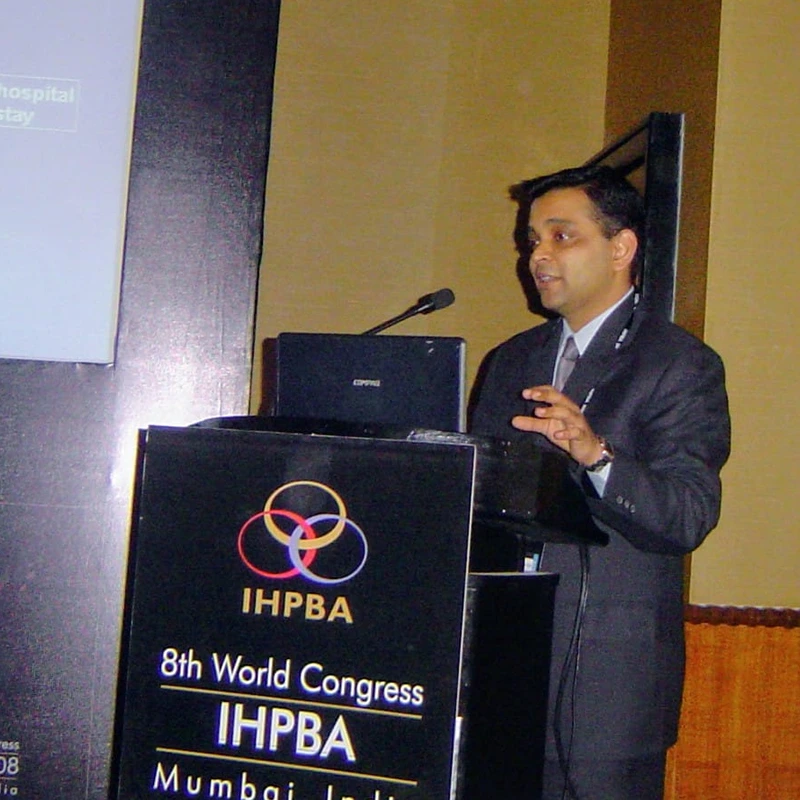
During my research into specialised cancer care in Mumbai, I found that gallbladder cancer requires a particularly focused approach because the disease can remain difficult to detect in its early stages. The gallbladder is a small, pear-shaped organ located beneath the liver that stores bile. When cancer develops in this organ, treatment may involve surgery, chemotherapy, radiation therapy or a combination depending on the stage and extent of disease. For patients seeking a Gallbladder cancer surgeon in Mumbai, understanding the surgeon’s training, experience in hepatobiliary surgery and approach to complex cancer cases can be an important part of choosing specialist care.
Understanding Gallbladder Cancer
Gallbladder cancer is an uncommon cancer that develops in the tissues of the gallbladder. One of the challenges is that early-stage disease may not cause obvious symptoms. In some patients, the cancer may be discovered incidentally during investigations or surgery for gallstones or other gallbladder conditions.
As the disease progresses, symptoms can include persistent pain in the upper-right abdomen, jaundice or yellowing of the skin and eyes, abdominal bloating, fever, nausea and unexplained weight loss. These symptoms can also occur with several non-cancerous conditions, so they should not automatically be interpreted as signs of cancer. Medical assessment and appropriate investigations are essential.
Why Specialist Surgical Expertise Matters
Gallbladder cancer can involve structures surrounding the gallbladder, including the liver and bile ducts. Therefore, surgical planning may require detailed assessment of the tumour’s location, extent and relationship with nearby structures.
A specialist Gallbladder cancer surgeon in Mumbai may evaluate the available imaging, pathology reports, blood tests and overall health before deciding whether surgery is appropriate. The objective is to determine whether the cancer can be removed safely and what additional treatment may be required.
Depending on the individual case, investigations can include liver-function tests, blood counts, tumour-marker assessment, abdominal ultrasound, CT scans and other imaging examinations. Biopsy or laparoscopy may also be considered when clinically appropriate.
Gallbladder Cancer Surgeon in Mumbai – Dr. Ganesh Nagarajan
Dr. Ganesh Nagarajan is a surgical oncologist specialising in gastrointestinal and hepatobiliary-pancreatic cancer surgery. His qualifications include an M.B.B.S. from Bombay University, an M.S. in General Surgery and surgical oncology residency training at Tata Memorial Hospital, Mumbai. He also completed a fellowship in Hepatobiliary Pancreatic Surgery and Liver Transplantation at Hospital Beaujon in Paris during 2008–09.
His professional profile states that he has around 28 years of overall experience and has performed more than 2,000 complex GI cancer surgeries, while consulting more than 15,000 patients with gastrointestinal and hepatopancreatobiliary cancers. His areas of expertise include hepatobiliary and pancreatic surgery, gastrointestinal oncologic surgery, robotic and laparoscopic GI and HPB cancer surgery, vascular resections and reconstructions, HIPEC surgery and surgery for bile-duct strictures or injuries.
He currently serves as Director of Hepatobiliary, Pancreatic and Gastrointestinal Oncology at the Nanavati Max Institute of Cancer Care in Mumbai. His professional background also includes nearly a decade as a Senior Consultant at PD Hinduja National Hospital.
Diagnosis and Treatment Planning
Diagnosis begins with understanding the patient’s symptoms, medical history and examination findings. Imaging is particularly important because surgeons need to understand whether the tumour is confined to the gallbladder or has extended into nearby tissues.
The reference information from Cancer Surgery Clinic describes a diagnostic pathway that can include physical examination, blood investigations, liver-function tests, CEA assessment and imaging such as ultrasound and CT scans. Depending on the clinical situation, endoscopic ultrasound, biopsy or laparoscopy may also be used.
Treatment is then individualised. Surgery may involve removal of the gallbladder and, when necessary, nearby tissues affected by the tumour. Chemotherapy uses anti-cancer medicines to control or destroy cancer cells, while radiation therapy uses targeted radiation. The choice depends on factors such as tumour extent, disease stage, age and general health.
Surgical Approach and Advanced Techniques
For selected gastrointestinal and hepatobiliary cancers, Dr. Ganesh Nagarajan’s expertise includes minimally invasive robotic and laparoscopic techniques. These approaches are not appropriate for every patient, particularly when tumour anatomy or disease extent requires another surgical strategy. The appropriate procedure is determined after specialist evaluation.
Complex hepatobiliary surgery can sometimes involve major blood vessels or adjacent organs. Dr. Ganesh Nagarajan’s profile specifically lists experience with vascular resections and reconstructions in HPB tumours, reflecting the complexity of the surgical oncology cases he manages.
The Clinic Environment and Accessibility
Cancer Surgery Clinic in Mumbai provides a specialised setting focused on hepatobiliary, pancreatic and gastrointestinal cancers. The clinic’s Bandra West consultation location is on Linking Road, providing access through Mumbai’s road and railway networks. According to the clinic’s information, Khar Road station is less than a kilometre away, Bandra Terminus is approximately 3 km away and Chhatrapati Shivaji Maharaj International Airport is about 7 km away.
For patients travelling from outside Mumbai or from overseas, this accessibility can make consultation and follow-up arrangements more practical. The clinic also provides access to specialist consultation and second opinions for complex GI and HPB cases.
Why Consider a Top Surgical Oncologist in Mumbai?
Gallbladder cancer treatment often requires coordination between surgical oncology, radiology, pathology, medical oncology and other specialists. A Top Surgical Oncologist in Mumbai with dedicated experience in gastrointestinal and hepatobiliary cancers can help patients understand whether surgery is suitable, what the surgical procedure may involve and whether additional treatment is likely to be recommended.
Dr. Ganesh Nagarajan’s academic background, HPB fellowship in France, Tata Memorial Hospital training and extensive experience with complex GI and HPB cancer surgery form an important part of his professional profile. His research publications and recognition, including the Outstanding Young Indian Award and Rotarian Ambassadorial Scholarship, also reflect his involvement in academic and professional activities.
Questions to Ask Before Gallbladder Cancer Surgery
Before proceeding with treatment, patients may wish to ask:
- What is the stage and exact location of the cancer?
- Is the tumour surgically removable?
- What type of surgery is recommended and why?
- Will part of the liver or other nearby tissue need to be removed?
- Will chemotherapy or radiation be required before or after surgery?
- What are the expected recovery time and possible complications?
- Would a second opinion be useful before making a treatment decision?
These questions can help patients understand their diagnosis and participate more confidently in treatment planning.
Frequently Asked Questions
1. What symptoms may indicate gallbladder cancer?
Possible symptoms include jaundice, persistent upper-right abdominal pain, bloating, fever, nausea and unexplained weight loss. However, these symptoms can have several causes, so medical evaluation is necessary.
2. How is gallbladder cancer diagnosed?
Evaluation may include physical examination, blood tests, liver-function tests and imaging such as abdominal ultrasound and CT scans. Depending on the case, additional investigations such as endoscopic ultrasound, biopsy or laparoscopy may be recommended.
3. What treatments are available for gallbladder cancer?
Treatment depends on the cancer’s stage and the patient’s overall condition. Options may include surgery, chemotherapy and radiation therapy, either individually or in combination.
4. Can I seek a second opinion from Dr. Ganesh Nagarajan?
Yes. The doctor’s profile states that he provides second opinions, particularly for complex GI and hepatobiliary-pancreatic cancer cases. Patients can discuss their diagnosis, imaging and pathology reports during a specialist consultation.
Consultation and Directions
Patients seeking consultation with Dr. Ganesh Nagarajan can contact Cancer Surgery Clinic to discuss an appointment or second opinion.
📞 +91 73046 63828 / +91 7700058024
📧 hello@cancersurgeryclinic.com
Get Directions to the Clinic- Cancer Surgery Clinic
If you or a family member has been diagnosed with gallbladder cancer, discuss your reports and treatment options with Dr. Ganesh Nagarajan to understand the next appropriate step in care.