
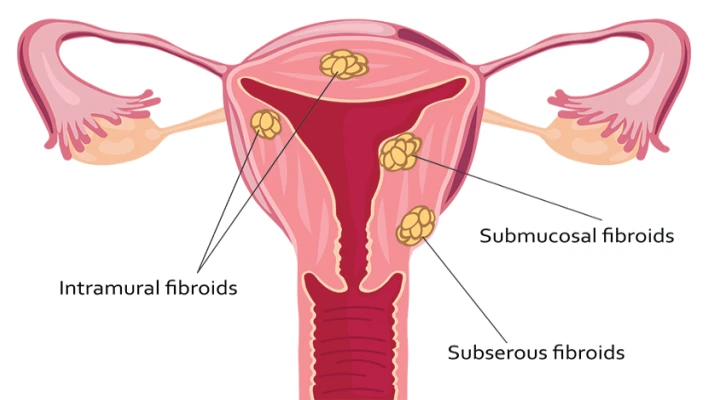
Uterine fibroids are among the most common benign growths affecting women during their reproductive years. While some fibroids cause no symptoms, others can lead to heavy menstrual bleeding, pelvic discomfort, frequent urination, bloating, painful intercourse, or difficulty conceiving. When symptoms begin affecting your health, fertility, or everyday life, timely evaluation by an experienced gynecological surgeon becomes important.
For women seeking Fibroid Removal in Mumbai, Dr. Maitreyee Parulekar at Kirit Nursing Home provides individualized treatment planning using advanced laparoscopic, hysteroscopic, and robotic surgical techniques where appropriate.
What Are Uterine Fibroids?
Fibroids, also called uterine myomas, are non-cancerous growths that develop in or around the uterus. They can range from very small nodules to larger growths capable of changing the shape of the uterus. A woman may have a single fibroid or multiple fibroids at the same time.
The location, size, number, and growth pattern of fibroids can influence the symptoms they cause. Some women may remain completely symptom-free, while others may experience significant menstrual, pelvic, urinary, or fertility-related problems.
Common Symptoms of Fibroids
You may need a gynecological evaluation if you experience:
- Heavy or prolonged menstrual periods
- Pelvic pain, pressure, or heaviness
- Frequent urination or bladder pressure
- Persistent bloating or abdominal discomfort
- Pain during sexual intercourse
- Difficulty conceiving
- Recurrent pregnancy-related concerns
- Anaemia caused by excessive menstrual bleeding
Not every woman with fibroids needs surgery. Treatment depends on your symptoms, age, fibroid characteristics, reproductive plans, and overall health.
When Is Fibroid Removal Recommended?
Small or asymptomatic fibroids may sometimes be managed with observation or medication. However, surgical treatment may be considered when fibroids cause persistent or severe symptoms, affect fertility, distort the uterine cavity, or do not respond adequately to conservative treatment.
For women who wish to preserve their uterus and potentially plan a future pregnancy, myomectomy can be an important treatment option. Unlike hysterectomy, myomectomy removes the fibroids while preserving the uterus.
A detailed consultation and appropriate imaging help determine whether surgery is necessary and which approach may be most suitable.
What Is a Myomectomy?
A myomectomy is a surgical procedure in which uterine fibroids are removed while the uterus is preserved. It can be performed through different approaches depending on the size and location of the fibroids.
Hysteroscopic Myomectomy
Hysteroscopic myomectomy is generally used for suitable fibroids that project into the uterine cavity. The surgeon accesses the uterus through the natural vaginal and cervical route, avoiding abdominal incisions.
Laparoscopic Myomectomy
Laparoscopic myomectomy is a minimally invasive technique performed through small abdominal incisions. It can offer advantages such as smaller scars, reduced postoperative discomfort, shorter hospital stays, and faster recovery compared with conventional open surgery in appropriately selected patients.
Robotic-Assisted Myomectomy
Robotic-assisted surgery may be considered for selected complex or difficult fibroids. Robotic technology can provide enhanced visualization, precision, and instrument control during minimally invasive surgery.
Dr. Maitreyee Parulekar’s practice includes advanced laparoscopic and robotic techniques for gynecological conditions, including difficult fibroids. Her treatment philosophy emphasizes selecting the appropriate procedure for each patient’s individual anatomy and reproductive goals.
Why Choose Minimally Invasive Fibroid Surgery?
Modern minimally invasive surgery has transformed the management of many gynecological conditions. When clinically appropriate, laparoscopic or robotic surgery may provide several benefits:
- Smaller surgical incisions
- Less postoperative pain
- Reduced blood loss in suitable cases
- Shorter hospital stay
- Faster return to routine activities
- Smaller scars
- Precise surgical dissection
However, minimally invasive surgery is not automatically the best option for every patient. Very large, numerous, or strategically positioned fibroids may require a different surgical approach. The decision should be made after reviewing imaging, symptoms, medical history, and fertility plans.
Can Fibroid Removal Improve Fertility?
Fibroids can sometimes interfere with conception or pregnancy, particularly when they alter the uterine cavity. Submucosal fibroids, for example, can affect implantation.
In appropriately selected women, removing fertility-affecting fibroids may help restore a more favorable uterine environment. However, fertility depends on multiple factors, including ovarian reserve, age, fallopian tube health, sperm factors, and other gynecological conditions.
Therefore, fertility-preserving surgery should be planned carefully with an understanding of the woman’s complete reproductive goals.
Why Choose Dr. Maitreyee Parulekar?
Dr. Maitreyee Parulekar is a gynecological surgeon with specialized expertise in gynecological oncosurgery and minimally invasive gynecological surgery. She holds an MBBS and MS in Obstetrics and Gynaecology from KEM Hospital, Mumbai, where she achieved a University Gold Medal. She is also an MRCOG (UK) and holds an FMAS from MUHS.
Her advanced training includes a Fellowship in Gynaecological Oncosurgery and Robotic Surgery at Seoul National University Hospital, South Korea, as well as training as a Visiting Scholar in Minimally Invasive Gynecology at Mount Sinai Hospital and Women’s College Hospital in Toronto.
Her clinical interests include advanced laparoscopic and robotic surgery for both benign and malignant gynecological conditions. She has also contributed to peer-reviewed research and presented complex gynecological surgical work at professional conferences.
This combination of specialized training, surgical expertise, academic involvement, and a patient-centered approach makes Dr. Parulekar a suitable specialist to consult when exploring advanced treatment for complex gynecological conditions.
Patients searching for a Top Gynae Oncologist In Mumbai can discuss their symptoms, diagnostic reports, fertility goals, and available treatment options with Dr. Parulekar during a personalized consultation.
A Patient-Centered Approach at Kirit Nursing Home
Kirit Nursing Home is one of Dr. Parulekar’s practicing locations in Mumbai. Her approach focuses on understanding each patient’s concerns before recommending treatment. Rather than applying the same procedure to every patient, treatment is planned according to the fibroid’s characteristics and the patient’s individual needs.
The consultation may include a review of menstrual symptoms, fertility plans, previous treatments, imaging reports, and other relevant medical information. Depending on the clinical situation, the appropriate surgical technique can then be discussed.
What Happens After Myomectomy?
Recovery depends on the surgical technique used and the complexity of the procedure. Minimally invasive myomectomy generally allows patients to resume normal activities sooner than open abdominal surgery, although recovery varies from person to person.
Following the surgeon’s postoperative instructions is essential. Follow-up appointments allow the doctor to monitor healing and address any concerns.
It is also important to understand that myomectomy removes existing fibroids but does not necessarily prevent new fibroids from developing in the future. Continued gynecological follow-up may therefore be recommended.
Fibroid Treatment Designed Around Your Needs
Living with heavy bleeding, pelvic pressure, pain, or fertility concerns can significantly affect quality of life. The good news is that several treatment options are available today, ranging from medical management and observation to hysteroscopic, laparoscopic, robotic-assisted, and open surgical procedures.
If you are considering Fibroid Removal in Mumbai, the first step is a detailed evaluation with a specialist. Dr. Maitreyee Parulekar can assess your condition and discuss whether minimally invasive or another surgical approach is appropriate for your fibroids and future pregnancy plans.
If you are specifically looking for a Robotic Gynecologist In Vile Parle, Mumbai, you can consult Dr. Parulekar at Kirit Nursing Home to understand whether robotic-assisted treatment may be suitable for your condition.
Book a Consultation with Dr. Maitreyee Parulekar
Don’t let fibroid symptoms continue to interfere with your daily life or reproductive goals. Take the next step toward understanding your treatment options.
📞 Call: +91 72087 27500
📧 Email: info@drmaitreyeegynec.in
📍 Get directions to Kirit Nursing Home
Frequently Asked Questions
1. What is the best treatment for uterine fibroids?
There is no single treatment that is best for every woman. Depending on fibroid size, location, number, symptoms, age, and fertility plans, treatment may include observation, medication, hysteroscopic myomectomy, laparoscopic myomectomy, robotic-assisted surgery, or open surgery.
2. Can fibroids be removed without removing the uterus?
Yes. A myomectomy is specifically designed to remove fibroids while preserving the uterus. It may be an option for women who want to retain their uterus or consider future pregnancy. The suitability of myomectomy depends on the individual case.
3. How long does recovery take after minimally invasive myomectomy?
Recovery varies depending on the procedure and individual health. The reference information indicates that minimally invasive procedures may allow a return to daily activities within approximately 1–2 weeks, while open surgery generally requires a longer recovery period. Your surgeon will provide personalized postoperative guidance.
4. Can fibroids come back after surgery?
Myomectomy removes the existing fibroids, but it does not guarantee that new fibroids will never develop. Recurrence can depend on factors such as age, hormonal influences, and genetic predisposition. Regular follow-up can help monitor uterine health.