
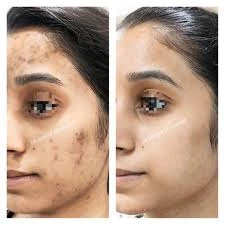
During my review of pigmentation concerns in Mumbai, I found that dark patches are rarely just a cosmetic issue. Hyperpigmentation can develop because of sun exposure, hormonal changes, acne or inflammation, medications, friction, or conditions such as melasma. For people looking for Hyperpigmentation treatment in Mumbai, understanding the underlying cause is the first step toward choosing an appropriate treatment. At Ambrosia Aesthetics, Dr. Niketa Sonavane evaluates pigmentation according to the individual’s skin type, location and severity before recommending a treatment approach.
What Is Hyperpigmentation?
Hyperpigmentation occurs when excess melanin, the pigment responsible for skin colour, accumulates in the skin and creates darker areas. It may appear as individual spots, larger patches or uneven pigmentation. Common forms include post-inflammatory hyperpigmentation after acne or skin inflammation, melasma associated with hormonal changes, sun-induced pigmentation and darker skin around areas such as the mouth, eyes, neck and underarms.
Mumbai’s strong sun exposure can make sun protection particularly important for people prone to pigmentation. However, sunlight is not the only trigger. Hormonal fluctuations, repeated irritation, acne, friction and certain medications can also contribute.
Causes of Dark Patches and Uneven Skin Tone
The reference material identifies several common causes of hyperpigmentation:
- Sun exposure: Ultraviolet exposure can stimulate melanin production and worsen existing pigmentation.
- Hormonal changes: Melasma can produce brown or greyish patches, especially on the face.
- Post-inflammatory pigmentation: Acne, eczema, injuries and other inflammation can leave darker marks after the original problem settles.
- Friction and irritation: Tight clothing, rubbing or harsh skincare can contribute to pigmentation in sensitive areas.
- Genetic and lifestyle factors: Periorbital pigmentation, for example, may be influenced by genetics, allergies, sleep patterns and repeated rubbing around the eyes.
Correct identification of the cause matters because pigmentation does not respond identically to every treatment.
Hyperpigmentation Treatment in Mumbai: What Are the Options?
Treatment is generally selected according to the type and depth of pigmentation, skin sensitivity and the area being treated. Options described by Dermatology Diaries include topical medicines, chemical peels, laser-based procedures and selected regenerative or injectable treatments.
Topical Treatments
Dermatologists may recommend creams, serums or lotions containing ingredients that help reduce pigmentation and encourage more even skin tone. Depending on the case, ingredients mentioned in the reference include retinol, hydroquinone, kojic acid, vitamin C, alpha arbutin and niacinamide. These should be used under professional guidance because the wrong product or excessive irritation may worsen pigmentation.
Chemical Peels
Chemical peels work by exfoliating the upper layers of the skin and encouraging renewal. Glycolic and salicylic acid peels are among the options discussed in the reference material. Cosmelan is another professional depigmentation treatment described for concerns such as melasma, age spots and post-inflammatory hyperpigmentation, followed by a home-care programme.
Laser and Light-Based Treatments
Laser treatments can target pigment within the skin. The reference discusses Q-Switch, CO2 and Pico laser treatments, as well as IPL for selected pigmentation concerns. Pico laser uses ultra-short energy pulses to target pigment, while Q-Switch technology is described for conditions including melasma and post-inflammatory pigmentation. Treatment selection should be individualized, particularly for Indian skin, where inappropriate laser settings can potentially cause irritation or further pigmentation.
Other Dermatological Approaches
Depending on the diagnosis, treatment may also include Dermapen microneedling combined with PRP, mesotherapy or skin boosters. These procedures are not suitable for every patient and should be considered only after a dermatologist determines whether they address the underlying pigmentation problem.
Dr. Niketa Sonavane: Dermatology Experience and Expertise
Dr. Niketa Sonavane is a Dermatologist in Mumbai with more than 17 years of reported experience in skin and hair treatments. According to her profile, she completed her MBBS with distinction and subsequently obtained a Diploma in Dermatology and Venereology (DDV) from Topiwala National Medical College and B.Y.L. Nair Hospital, Mumbai.
Her profile also states that she has undertaken international training with dermatologists and plastic surgeons in countries including Australia, Singapore, Brazil, the UK, France, Spain, Canada and Germany. Her approach includes evaluating possible internal contributors to skin and hair concerns and developing personalized treatment plans.
For pigmentation, her published treatment material covers multiple concerns, including facial dark spots, melasma, periorbital pigmentation, perioral pigmentation, underarm pigmentation and pigmentation affecting the neck, back, arms and legs.
Benefits and Risks of Pigmentation Treatment
The main potential benefit is a reduction in the visibility of dark patches and improvement in overall skin tone. Depending on the treatment, patients may also experience improvements in skin texture.
However, pigmentation treatment needs careful supervision. Peels, lasers and other procedures can cause temporary redness, irritation, sensitivity or peeling. In some individuals, particularly those with darker skin tones, excessive inflammation can trigger post-inflammatory hyperpigmentation. Results also vary according to the underlying condition, and pigmentation such as melasma may require ongoing maintenance rather than a single procedure.
Precautions and Aftercare Advice
Sun protection is a central part of managing pigmentation. Broad-spectrum sunscreen should be used consistently, particularly because sun exposure can worsen existing pigmentation. The reference material also emphasizes gentle skincare and avoiding unnecessary rubbing or irritation in sensitive areas.
Patients undergoing peels or laser procedures should follow the dermatologist’s specific post-treatment instructions. Avoid introducing multiple strong active ingredients without medical advice, and do not pick or excessively exfoliate peeling skin. If pigmentation is accompanied by persistent inflammation, sudden changes or other unusual symptoms, medical assessment is advisable.
Why Individual Diagnosis Matters
There is no single procedure that works for every type of pigmentation. A brown patch caused by acne may require a different strategy from melasma, under-eye pigmentation or pigmentation caused by friction. A consultation allows the dermatologist to examine the distribution, depth and possible triggers before choosing between skincare, peels, laser treatment or a combination approach.
For patients considering Hyperpigmentation treatment in Mumbai, this individualized approach can help avoid unnecessary procedures and focus treatment on the underlying cause rather than simply trying to lighten the skin.
Consult Dr. Niketa Sonavane at Ambrosia Aesthetics
The clinic environment is presented as a personalized dermatology and aesthetic-care setting, with treatment plans tailored to individual skin, hair and body needs. The published profile emphasizes consultation, individualized assessment and internal-cause analysis rather than applying one treatment universally.
For an assessment of pigmentation concerns, contact Dr. Niketa Sonavane:
📞 9930993600 | 9930992400
📧 dr.niketa@live.com
Get Directions to the Clinic – Ambrosia Aesthetics, Mumbai
Frequently Asked Questions
1. What is the best treatment for hyperpigmentation?
The most suitable treatment depends on the cause and type of pigmentation. Options may include topical medicines, chemical peels, laser procedures or combination approaches. A dermatologist should determine the treatment after evaluating the skin.
2. Can hyperpigmentation be completely removed?
Pigmentation can often be reduced, but the outcome varies. Conditions such as melasma can recur, particularly with sun exposure or hormonal triggers. Long-term sun protection and maintenance skincare may therefore be important.
3. Is laser treatment suitable for Indian skin?
Laser treatment can be used for selected pigmentation concerns in Indian skin, but settings and technology need to be carefully selected. A dermatologist should assess skin type, pigmentation depth and the risk of post-inflammatory pigmentation before treatment.
4. How can I prevent pigmentation from becoming darker?
Consistent broad-spectrum sunscreen, gentle skincare and avoiding unnecessary rubbing or irritation can help. If acne, eczema, hormonal changes or another underlying condition is contributing to pigmentation, treating that problem is also important.