
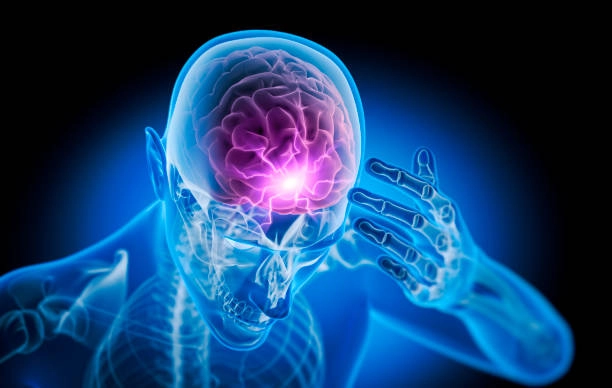
Epilepsy is a neurological disorder characterised by recurrent, unprovoked seizures caused by sudden abnormal electrical activity in the brain. Seizures can vary significantly in their presentation, frequency and severity, making accurate diagnosis and an individualised treatment approach essential.
For patients and families searching for epilepsy treatment in mumbai, consulting an experienced neurosurgeon can help determine the underlying cause of seizures and identify appropriate medical, surgical or advanced treatment options.
Understanding Epilepsy and Seizures
Epilepsy can affect people of all ages. A seizure occurs when there is a sudden, excessive electrical discharge in a group of brain cells. Depending on where the abnormal electrical activity begins and how it spreads, seizures may present in different ways.
Seizures are broadly classified as focal or generalised seizures.
Focal seizures begin in one specific area of the brain. They may occur without loss of consciousness and can cause jerking movements, unusual sensations, sudden fear or changes in the way a person sees, smells, tastes or hears things. Focal seizures can also impair awareness, leading to blank staring or repetitive movements such as chewing, hand rubbing or walking in circles.
Generalised seizures involve both sides of the brain from the beginning. Types include absence seizures, tonic-clonic seizures, atonic seizures, myoclonic seizures and tonic seizures. Their symptoms may range from brief staring spells to muscle stiffening, rhythmic jerking or sudden falls.
Recognising the Symptoms of Epilepsy
Recurrent seizures are the primary symptom of epilepsy, but their appearance can differ considerably between individuals.
Possible signs include:
- Sudden loss or alteration of consciousness
- Repeated staring spells
- Uncontrolled jerking or twitching
- Sudden muscle stiffening
- Temporary confusion or impaired awareness
- Repetitive movements
- Sudden loss of muscle tone and falls
- Unusual sensory experiences
- Tongue biting or loss of bladder control during some seizures
Because seizure-like symptoms can have different causes, proper neurological evaluation is important before treatment is selected.
How Is Epilepsy Treated?
The treatment of epilepsy depends on the type of seizures, their frequency, the underlying cause, overall health and response to previous treatment.
Anti-Seizure Medications
Anti-seizure medicines are generally the first-line treatment for many people with epilepsy. The choice of medication depends on factors such as seizure type, age, overall health and possible side effects.
Medications listed on Dr. Manish Baldia’s epilepsy treatment page include phenytoin, carbamazepine, valproate, lamotrigine, levetiracetam and topiramate. Finding the appropriate medication and dosage may require monitoring and adjustment by a neurologist.
Patients should not start, stop or change anti-seizure medication without medical advice.
Lifestyle Management for Epilepsy
Medication is only one part of comprehensive epilepsy management. Certain lifestyle factors may influence seizure control.
Maintaining a consistent sleep schedule is important because inadequate sleep can trigger seizures in some people. Stress management through approaches such as yoga, meditation and mindfulness may also be useful. Some individuals may benefit from specialised dietary approaches, such as a ketogenic diet, under appropriate medical supervision. Identifying personal seizure triggers and reducing exposure to them can also form part of a management plan.
A personalised approach is important because triggers and treatment responses differ from one patient to another.
When Is Epilepsy Surgery Considered?
Some patients continue to experience seizures despite appropriate medication. When epilepsy is drug-resistant, surgical evaluation may be considered in selected cases.
Depending on the seizure origin and patient’s condition, surgical approaches can include resective surgery, which removes the brain region responsible for seizures, or Laser Interstitial Thermal Therapy (LITT), a minimally invasive technique that uses laser energy to target seizure-producing tissue.
Another procedure, corpus callosotomy, involves interrupting connections between the two brain hemispheres to reduce the spread of seizures in selected severe cases.
Surgery is not suitable for every person with epilepsy. Detailed neurological assessment and appropriate investigations are necessary before considering an intervention.
Advanced Neuromodulation Options
Modern epilepsy care also includes neuromodulation techniques for selected patients. These treatments work by influencing abnormal electrical activity within neural circuits.
Potential options include:
- Vagus Nerve Stimulation (VNS): A device sends electrical impulses through the vagus nerve to help reduce seizures.
- Responsive Neurostimulation (RNS): An implanted device detects abnormal electrical activity and responds with stimulation.
- Deep Brain Stimulation (DBS): Electrodes are implanted in specific brain regions to modulate neural activity.
The suitability of any advanced treatment depends on the patient’s diagnosis, seizure characteristics, previous treatment and overall medical condition.
Dr. Manish Baldia’s specialised expertise in neuromodulation is particularly relevant to patients exploring advanced neurological treatment. His practice includes Deep Brain Stimulation Surgery in Mumbai, with a focus on precision neurosurgery and complex neurological disorders.
Why Choose Dr. Manish Baldia?
Dr. Manish Baldia is an internationally recognised functional neurosurgeon with more than a decade of experience treating complex neurological disorders. He holds an MBBS and MCh in Neurosurgery from Christian Medical College (CMC), Vellore, completed in 2017, and has undertaken a Fellowship in Functional Neurosurgery & Neuromodulation (EEPIN, London).
His clinical experience includes serving as an Assistant and Associate Professor of Neurosurgery at CMC Vellore. During this period, he assisted in more than 1,200 cases and independently performed over 400 complex cranial and spinal procedures. He currently serves as a Consultant Functional Neurosurgeon at institutions including Ruby Hall Clinic, Apollo Hospital Navi Mumbai, Saifee Hospital, Wockhardt Hospitals and Lalbaug Diagnostic Centre in Mumbai.
Dr. Baldia has performed more than 120 DBS surgeries and has conducted over 1,000 advanced DBS programming sessions. His expertise includes DBS, functional neurosurgery, stereotactic procedures, complex brain surgery and spine surgery.
His professional recognition includes the Young Neurosurgeon Award, Best Researcher Awards from CMC Vellore, the 3-Minute Thesis Award and Best Paper and Poster Awards at Stereocon 2022 and YNFCON 2024.
Patient-Centred Care at Baldia’s Advance Neuro Parkinson’s and Spine Centre
Baldia’s Advance Neuro Parkinson’s and Spine Centre provides specialised neurological and neurosurgical care. The centre’s treatment areas include Parkinson’s disease, epilepsy and seizures, DBS, Gamma Knife surgery, CyberKnife radiosurgery, spinal cord tumour surgery and cranioplasty.
Dr. Baldia’s approach combines detailed assessment, precise diagnosis and personalised treatment planning with compassionate patient care. His experience in functional neurosurgery and neuromodulation allows patients with complex neurological conditions to discuss both established and advanced treatment pathways.
Patients looking for a best doctor for parkinsons in mumbai may also find Dr. Baldia’s specialised functional neurosurgical expertise relevant, particularly when advanced movement-disorder treatments such as DBS are being considered.
Book a Consultation for Epilepsy Care in Mumbai
Living with recurrent seizures can affect confidence, independence and everyday life. If seizures continue despite medication or are difficult to control, an expert neurological assessment can help determine whether additional treatment options should be explored.
If you are looking for epilepsy treatment in mumbai, consult Dr. Manish Baldia at Baldia’s Advance Neuro Parkinson’s and Spine Centre to discuss your symptoms, diagnosis and potential treatment options.
📞 Call: 096767 67507
Book an Appointment with Dr. Manish Baldia: Reach out to the centre to schedule a consultation and discuss an appropriate epilepsy evaluation and treatment plan.
Frequently Asked Questions
1. What are the common types of epileptic seizures?
Epileptic seizures are broadly classified as focal or generalised. Focal seizures begin in one area of the brain, while generalised seizures involve both hemispheres from the onset. Absence, tonic-clonic, atonic, myoclonic and tonic seizures are among the recognised generalised seizure types.
2. Can epilepsy be treated without surgery?
Yes. Many people with epilepsy are initially treated with anti-seizure medications. Lifestyle management and trigger avoidance may also support seizure control. Surgery or neuromodulation is considered only for selected patients, particularly when seizures remain uncontrolled despite appropriate medication.
3. When may epilepsy surgery be considered?
Surgical treatment may be evaluated when seizures remain uncontrolled with medication, particularly in drug-resistant epilepsy. Depending on the patient’s condition, options can include resective surgery, LITT or corpus callosotomy. A detailed specialist assessment is necessary to determine suitability.
4. What advanced treatments are available for difficult-to-control epilepsy?
Selected patients may be considered for neuromodulation treatments such as VNS, RNS or DBS. These approaches aim to influence abnormal neural activity and reduce seizure frequency. The appropriate option depends on the patient’s seizure type, underlying condition and previous treatment response.