
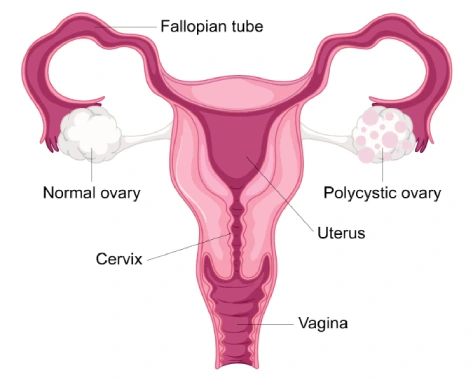
During my recent review of women’s healthcare services in Mumbai, I looked closely at how menstrual health concerns are evaluated and managed by specialists. Menstrual Disorders Treatment in Mumbai is increasingly important for women experiencing irregular cycles, heavy bleeding, severe period pain, missed periods or symptoms associated with PCOS. At Kirit Nursing Home, Dr. Maitreyee Parulekar approaches these concerns through clinical evaluation, appropriate investigations and individualized treatment rather than treating menstrual irregularities as something women simply have to tolerate.
Menstrual changes can sometimes be associated with hormonal imbalance, PCOS, endometriosis, fibroids, adenomyosis or other gynecological conditions. Early evaluation can help identify the underlying cause and determine whether medical management, lifestyle modification or further gynecological treatment is appropriate.
What Are Menstrual Disorders?
Menstrual disorders refer to changes in the normal pattern, duration, amount or experience of menstruation. Common problems include irregular periods, heavy menstrual bleeding, painful periods, prolonged periods and absence of menstruation.
According to the clinical information provided by Dr. Maitreyee Parulekar’s practice, heavy menstrual bleeding may involve bleeding lasting more than seven days, while amenorrhea refers to prolonged absence of periods. Severe menstrual cramps that interfere with routine activities can also require medical assessment.
These symptoms should not always be attributed to stress or lifestyle. Persistent menstrual changes may sometimes indicate an underlying hormonal or structural gynecological condition.
Common Causes of Menstrual Irregularities
The causes of abnormal periods can vary considerably from one woman to another. Hormonal fluctuations, PCOS, thyroid-related problems, changes in body weight, stress and certain gynecological conditions may affect the menstrual cycle.
Conditions such as fibroids, endometriosis and adenomyosis can also be associated with abnormal bleeding or pelvic pain. Therefore, the first step is understanding the patient’s symptoms and medical history before deciding on treatment.
PCOS is particularly relevant because it can affect ovulation and hormonal balance. Women with PCOS may experience irregular or missed periods, acne, increased facial or body hair, weight changes, scalp hair thinning and difficulty conceiving.
Menstrual Disorders Treatment in Mumbai: How Is It Diagnosed?
A detailed consultation is generally the starting point. Dr. Maitreyee Parulekar’s clinical approach includes assessing menstrual history and associated symptoms before determining the appropriate investigations.
Depending on the symptoms, evaluation may include:
- A detailed medical and menstrual history
- Assessment of symptoms associated with hormonal imbalance
- Ultrasound examination when clinically indicated
- Blood tests to assess relevant hormone levels
- Evaluation of insulin resistance where PCOS is suspected
- Further gynecological investigations when structural abnormalities are suspected
The purpose of testing in Menstrual Disorders Treatment in Mumbai is not simply to identify an irregular cycle but to understand why the cycle has changed and determine the most appropriate treatment approach.
Treatment Options for Menstrual Disorders and PCOS
Treatment depends on the underlying cause, severity of symptoms, age, reproductive goals and overall health.
Lifestyle modification: A balanced diet, regular physical activity, adequate sleep and stress management can be important components of managing PCOS and metabolic health. The reference clinical guidance particularly discusses reducing refined carbohydrates, increasing fibre intake and incorporating exercise such as cardio and strength training.
Hormonal treatment: Depending on the diagnosis and individual requirements, hormonal medication may be used to regulate periods. Progesterone therapy may also be considered in appropriate patients to help protect the uterine lining.
Medication for insulin resistance: Metformin may be prescribed in selected women with PCOS and insulin resistance.
Ovulation induction: Women experiencing fertility difficulties related to irregular ovulation may be considered for medicines such as letrozole or clomiphene under medical supervision.
Surgical treatment: Surgery is not required for most menstrual disorders. However, when an underlying structural or gynecological condition is identified, appropriate minimally invasive or other surgical treatment may be considered. Dr. Maitreyee Parulekar has specialized training in laparoscopic, robotic and gynecological oncologic surgery.
When Should You Consult a Gynecologist?
Women should consider medical evaluation if periods remain consistently irregular, disappear for several months, become unusually heavy or are accompanied by severe pain or significant clotting.
Medical attention is also appropriate when menstrual changes occur alongside acne, excess facial hair, unexplained weight changes, hair loss or difficulty conceiving. These symptoms can sometimes occur with PCOS and other hormonal conditions.
Ignoring persistent menstrual abnormalities may have consequences. Depending on the underlying condition, untreated problems may be associated with fertility difficulties, metabolic problems or abnormal thickening of the uterine lining.
Dr. Maitreyee Parulekar: Qualifications and Clinical Expertise
Dr. Maitreyee Parulekar is a gynecological surgeon with qualifications including MBBS, MS OBGY from KEM, MRCOG (UK) and FMAS (MUHS). She completed her postgraduate training in Obstetrics and Gynaecology at Seth G.S. Medical College and KEM Hospital, Mumbai, where she earned a University Gold Medal.
Her advanced training includes a Fellowship in Gynaecological Oncosurgery and Robotic Surgery at Seoul National University Hospital, South Korea, as well as training in minimally invasive gynecology at Mount Sinai Hospital and Women’s College Hospital in Toronto. She has also pursued fellowship-level training in minimally invasive gynecology and gynecological oncology at Galaxy Care Laparoscopy Institute, Pune.
Her expertise extends beyond routine gynecology to minimally invasive surgery, gynecological oncology, laparoscopic procedures, robotic surgery, endometriosis, fibroids, fertility-preserving procedures and other complex gynecological conditions. Her academic work and publications in peer-reviewed journals further reflect her involvement in gynecological research.
A Look at Care at Kirit Nursing Home
Kirit Nursing Home is located in Vile Parle East and is one of the locations where Dr. Maitreyee Parulekar practices. The clinic’s listed address is Pushpa Ganga Society, Subhash Road, opposite Sai Mandir Marg, Vishnu Prasad Society, Navpada, Vile Parle East, Mumbai – 400057.
From a patient-care perspective, the location is relevant for women who may require follow-up consultations, investigations or continuing management. Dr. Maitreyee Parulekar also practices at several other Mumbai hospitals, including Gleneagles Hospital, Nalini Speciality Hospital, AllCure SuperSpeciality Hospital, Criticare Hospital and Surya Hospitals.
For women searching for a Gynecologist In Vile Parle, Mumbai, Kirit Nursing Home provides a local consultation option for discussing menstrual and other gynecological concerns.
Why Specialized Evaluation Matters
Menstrual problems can appear similar while having very different causes. For example, irregular periods associated with PCOS require a different management strategy from heavy bleeding caused by a structural uterine condition.
Dr. Maitreyee Parulekar‘s background as a Top Gynae Oncologist In Mumbai, combined with her minimally invasive gynecological training, provides experience across both benign and complex gynecological conditions. Her professional profile highlights a patient-centered approach supported by advanced surgical and diagnostic expertise.
Book a Consultation with Dr. Maitreyee Parulekar
If irregular periods, heavy menstrual bleeding, painful periods, missed periods or PCOS-related symptoms are affecting your daily life, timely gynecological evaluation can help identify the cause and establish an appropriate treatment plan.
📞 +91 72087 27500 | +91 97023 58222
📧 info@drmaitreyeegynec.in
Get Directions to the Clinic – Kirit Nursing Home, Vile Parle
Frequently Asked Questions
1. What are the common menstrual disorders?
Common menstrual disorders include irregular periods, heavy menstrual bleeding, painful periods, absent periods and premenstrual symptoms. The underlying cause can vary and may include hormonal imbalance, PCOS or gynecological conditions.
2. Can PCOS cause irregular periods?
Yes. PCOS can interfere with normal ovulation and commonly causes irregular or missed periods. It may also be associated with acne, excess facial hair, weight changes, hair thinning and fertility difficulties.
3. Is surgery always required for menstrual disorders?
No. Many menstrual and PCOS-related problems can be managed with lifestyle measures and medication. Surgery may be considered only when a specific underlying condition requires surgical treatment or when other approaches are not appropriate.
4. When should I see a gynecologist for irregular periods?
You should consider consultation if periods are repeatedly irregular or absent, bleeding is unusually heavy, pain is severe, or menstrual changes occur with symptoms such as acne, hair loss, weight changes or difficulty conceiving.