
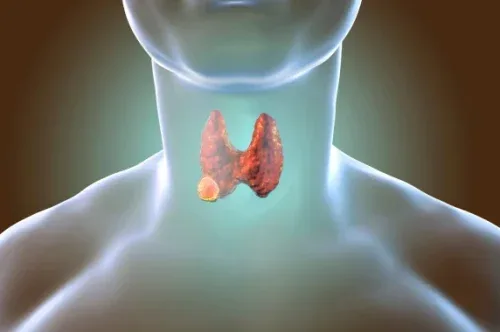
Voice box cancer, also known as laryngeal cancer, develops when malignant cells form in the tissues of the larynx, the structure responsible for producing sound and helping protect the airway. Because the voice box is closely involved in speaking, breathing, and swallowing, early evaluation of persistent symptoms is important, especially when seeking appropriate care for Voice box cancer in Mumbai.
For individuals seeking Voice box cancer in Mumbai, understanding the warning signs, diagnostic process, treatment options, and importance of voice preservation can help them seek appropriate medical attention without unnecessary delay. Dr. Shama Kovale, Senior Consultant ENT Surgeon at Kokilaben Dhirubhai Ambani Hospital, provides specialized care for throat, voice, swallowing, and airway disorders.
Voice box cancer in Mumbai: Symptoms, Diagnosis and Treatment
Voice box cancer can present with symptoms that may initially resemble common throat or voice problems. Persistent hoarseness is one of the important warning signs, particularly when it continues for more than two to three weeks without an obvious infection or cold.
Other symptoms can include:
- Persistent change or weakness in the voice
- Difficulty or pain while swallowing
- Persistent sore throat
- Ear pain without an obvious ear-related cause
- Chronic cough
- Noisy or difficult breathing
- A sensation of something being stuck in the throat
- Unexplained weight loss
- A lump or swelling in the neck
These symptoms do not necessarily mean that a person has cancer, as they can occur with several other conditions. However, persistent or progressive symptoms should be evaluated by an ENT specialist, particularly when they do not improve with routine treatment.
Understanding Risk Factors
Several factors may increase the risk of cancers affecting the larynx and surrounding throat structures. Tobacco and alcohol exposure are important risk factors, while other influences can include chronic irritation, certain viral infections, and occupational or environmental exposures.
Not everyone who develops voice box cancer has the same risk factors. Therefore, persistent symptoms should not be dismissed simply because an individual does not smoke or drink.
How Is Voice Box Cancer Diagnosed?
Diagnosis begins with a detailed medical history and examination. The doctor evaluates symptoms such as changes in voice, swallowing difficulties, throat discomfort, and breathing problems.
Specialized investigations may then be recommended depending on the findings. Dr. Shama Kovale’s throat cancer care includes advanced diagnostic approaches such as video laryngoscopy, Narrow Band Imaging (NBI), endoscopic evaluation, tissue biopsy, and PET-CT imaging when required for diagnosis and staging.
Video laryngoscopy allows the doctor to visualize the vocal cords and other throat structures in detail. NBI can help identify subtle changes in the mucosal tissues that may not be easily visible during a standard examination.
A biopsy is essential when cancer is suspected because microscopic examination of tissue is required to confirm the presence of malignant cells. Imaging such as PET-CT may be used to assess the extent of disease and assist with treatment planning.
Treatment Options for Laryngeal Cancer
Treatment depends on several factors, including the location and size of the tumor, stage of the disease, involvement of surrounding structures, overall health, and the patient’s functional goals.
Depending on the individual case, treatment may include surgery, radiation therapy, chemotherapy, or a combination of these approaches.
For selected early-stage tumors, minimally invasive or laser-assisted procedures may be considered. Dr. Shama Kovale specializes in laser microsurgery and voice-preserving surgical techniques designed to remove tumors while minimizing unnecessary damage to surrounding healthy tissue.
Radiation therapy may be used for appropriate early-stage cancers or as part of a broader treatment plan. In more advanced cases, chemotherapy may be combined with radiation therapy or surgery depending on the cancer’s characteristics and stage.
Importance of Voice Preservation
The possibility of losing normal voice function is a major concern for many people diagnosed with laryngeal cancer. Treatment planning therefore needs to consider both cancer control and preservation of important functions whenever medically possible.
Dr. Shama Kovale has specialized expertise in voice and swallowing disorders and advanced voice-preserving surgery. Her approach includes consideration of speech and swallowing function as part of the overall treatment and recovery process.
Voice rehabilitation and swallowing support may form an important part of recovery after treatment. The specific rehabilitation plan depends on the treatment performed and the patient’s individual needs.
Dr. Shama Kovale: Qualifications and Clinical Experience
Dr. Shama Kovale is an experienced ENT surgeon and laryngologist with more than 23 years of specialized clinical experience. She holds an MBBS, DLO, and MS in ENT from B.Y.L. Nair Hospital, Mumbai. Her advanced training includes a fellowship in Voice and Swallowing Disorders from UC Davis, USA, along with specialized training in ENT procedures.
She is a Senior Consultant at Kokilaben Dhirubhai Ambani Hospital and heads its Voice and Swallowing Centre. The centre provides specialized evaluation and treatment for complex voice, swallowing, and airway disorders. Her expertise includes endoscopic ENT surgeries, microlaryngoscopy with laser or coblation, airway reconstruction, cochlear implant surgery, ear microsurgery, and voice-related procedures.
Her professional recognition includes Top Docs Mumbai awards for voice specialization from 2019 to 2021 and the Best Consultant Paper Award in 2013. She also participates as a faculty speaker at national and international ENT conferences.
Patients looking for an ENT Specialist in Mumbai can consider Dr. Shama Kovale’s specialized experience in voice, swallowing, airway, and head and neck disorders when seeking evaluation for persistent throat or voice symptoms.
Hospital Environment and Multidisciplinary Care
Kokilaben Dhirubhai Ambani Hospital in Andheri West provides a comprehensive hospital environment for the diagnosis and management of complex ENT and head and neck conditions. Dr. Shama Kovale’s throat cancer care incorporates advanced diagnostic and surgical technologies and can involve collaboration between ENT surgeons, oncologists, and rehabilitation specialists.
The hospital-based setting is particularly relevant for cancer care because diagnosis, staging, surgery, oncology treatment, and rehabilitation may require coordination between multiple specialties.
For patients considering Voice box cancer in Mumbai, having access to specialized ENT expertise and multidisciplinary hospital facilities can support a coordinated approach from evaluation through treatment and follow-up.
Why Early Evaluation Matters
A change in voice that persists for several weeks should not automatically be attributed to overuse, acid reflux, allergies, or a routine throat infection. Persistent hoarseness, difficulty swallowing, unexplained throat or ear pain, breathing changes, or a neck lump should be evaluated by an appropriate specialist.
Early assessment can help identify whether symptoms are caused by a benign condition or require further investigation. When cancer is detected at an earlier stage, treatment planning may offer more opportunities for effective disease control and preservation of important functions.
As an experienced ENT Doctor in Mumbai, Dr. Shama Kovale provides specialized evaluation of voice, swallowing, airway, and throat disorders, with an emphasis on personalized treatment and long-term recovery support.
Frequently Asked Questions
1. What are the early symptoms of voice box cancer?
Persistent hoarseness or other voice changes, difficulty swallowing, persistent sore throat, unexplained ear pain, chronic cough, breathing changes, and a lump in the neck can be warning signs. Persistent symptoms should be evaluated by an ENT specialist.
2. Can voice box cancer occur without smoking?
Yes. Although tobacco exposure is an important risk factor, cancer can occur in people who do not smoke. Persistent voice or throat symptoms should therefore be assessed based on their duration and clinical features rather than smoking history alone.
3. Does treatment for laryngeal cancer always cause loss of voice?
Not necessarily. Treatment depends on the location and stage of the cancer. Selected early-stage cancers may be treated using voice-preserving approaches, including laser-assisted surgery or radiation therapy. Voice rehabilitation may also support recovery.
4. When should I see an ENT specialist for hoarseness?
Hoarseness lasting more than two to three weeks, especially without an obvious cold or infection, should be evaluated. Prompt assessment is particularly important when hoarseness occurs with swallowing difficulty, throat or ear pain, breathing changes, weight loss, or a neck lump.
Consult Dr. Shama Kovale
If you are concerned about Voice box cancer in Mumbai, persistent hoarseness, swallowing difficulties, throat pain, or other changes affecting your voice and airway should be evaluated by an experienced ENT specialist.
📞 +91 91528 50769
📧 drshamakovaleent@gmail.com
Get Directions to the Clinic – Kokilaben Dhirubhai Ambani Hospital
Book a consultation with Dr. Shama Kovale for specialized evaluation of voice, throat, swallowing, and airway concerns and discuss the appropriate diagnostic and treatment options for your condition.