
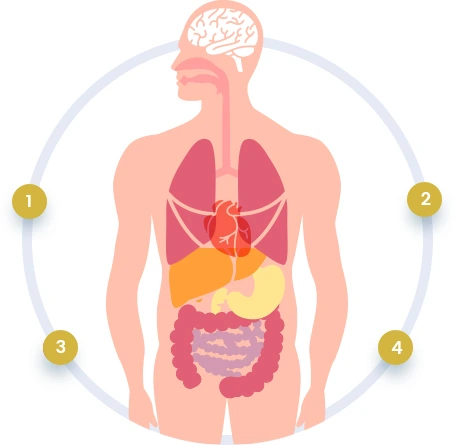
Colorectal cancer affects the large intestine, including the colon and rectum, and its treatment depends on the location, stage, extent of disease, and overall health of the patient. While surgery remains an important part of treatment for many colorectal cancers, modern care may also involve chemotherapy, radiation therapy, targeted treatment, and minimally invasive surgical techniques.
For patients searching for a colorectal surgeon mumbai, choosing a specialist with experience in gastrointestinal cancer surgery and access to advanced surgical techniques can help support a carefully planned treatment journey. Dr. Ganesh Nagarajan is a senior surgical oncologist specialising in gastrointestinal and hepatobiliary-pancreatic cancers and offers colorectal cancer surgical care through Cancer Surgery Clinic in Mumbai.
What Is Colorectal Cancer?
Colorectal cancer begins in the large intestine. The colon absorbs water and helps form stool, while the rectum stores stool before it leaves the body. Although colon and rectal cancers are grouped together as colorectal cancer, their treatment can differ because of their anatomical locations.
Colon cancer treatment commonly involves surgery, with chemotherapy recommended in selected cases. Rectal cancer may require a more structured treatment plan because the rectum lies within the pelvis near muscles and nerves involved in bowel control. Depending on the stage and characteristics of the tumour, chemotherapy and radiation may be given before surgery.
Symptoms That Should Not Be Ignored
Colorectal cancer can sometimes resemble common digestive problems. Persistent or unexplained symptoms should therefore be evaluated by a qualified medical professional.
Common symptoms may include:
- Persistent changes in bowel habits
- Constipation or diarrhoea lasting for weeks
- Blood in or on the stool
- Abdominal cramps or discomfort
- A feeling of incomplete bowel emptying
- Persistent fatigue or weakness associated with anaemia
- Unexplained weight loss
- Reduced appetite
- A lump or unusual sensation in the abdomen or rectum
Rectal cancers may additionally cause bleeding during bowel movements, urgency, pelvic or anal discomfort, or thinner stools. These symptoms do not necessarily indicate cancer, but persistent symptoms warrant medical evaluation.
How Is Colorectal Cancer Diagnosed?
Accurate diagnosis and staging are essential before deciding on treatment. Evaluation may begin with a clinical examination and a detailed medical history.
A colonoscopy is commonly used to examine the colon and rectum. If a suspicious growth is identified, a biopsy can be performed and examined in a laboratory to confirm the diagnosis and determine the tumour type.
Imaging tests such as CT scans or PET scans can help assess whether the cancer has spread. MRI has an especially important role in evaluating rectal cancer because it can provide detailed information about local tumour spread and assist with treatment planning.
Treatment Options for Colorectal Cancer
Treatment is individualised according to cancer stage, tumour location, overall health, and other clinical factors.
Surgery for Colon Cancer
Surgery is commonly a major component of treatment for localised colon cancer. The objective is to remove the tumour along with an appropriate margin of healthy bowel and the lymph nodes draining the affected area.
A colectomy involves removing part or, in selected cases, all of the colon. When only a segment is removed, the procedure may be called a partial colectomy, segmental resection, or hemicolectomy. The remaining sections of the bowel are generally reconnected when it is safe to do so.
Laparoscopic and Robotic Surgery
Selected patients may undergo laparoscopic or robotic-assisted colorectal surgery. These approaches use smaller incisions and specialised instruments.
Minimally invasive surgery may provide benefits such as reduced tissue trauma, less postoperative pain, earlier mobility, and a shorter hospital stay in appropriately selected patients. However, the safest approach depends on factors including tumour size, location, spread, anatomy, and the patient’s overall condition.
The fundamental goal remains complete and safe removal of the cancer rather than simply avoiding a larger surgical incision.
Surgery for Rectal Cancer
Rectal cancer surgery varies according to the tumour’s location and whether the anal sphincter can be preserved.
Transanal Excision: Selected small, early-stage rectal cancers may be removed through the anal route without major abdominal surgery.
Low Anterior Resection (LAR): This procedure is commonly considered for tumours in the upper or middle rectum. The affected portion is removed and the bowel is reconnected. A temporary stoma may sometimes be created to protect the surgical connection while it heals.
Abdominoperineal Resection (APR): When cancer involves the sphincter muscles, removal of the rectum and anus may be necessary. A permanent colostomy is then created to allow stool to pass through an opening in the abdomen.
Understanding Colorectal Cancer by Stage
Treatment planning also depends on the stage of the cancer.
In Stage 1, cancer is limited to the inner layers of the bowel, and surgery may be the primary treatment.
In Stage 2, the tumour has grown deeper into the bowel wall or nearby tissues but has not reached the lymph nodes. Surgery remains central, while additional treatment may be considered according to tumour-related risk factors.
In Stage 3, cancer has spread to nearby lymph nodes. Surgery is generally followed by chemotherapy, while locally advanced rectal cancers may receive chemotherapy and radiation before surgery.
In Stage 4, cancer has spread to distant organs such as the liver or lungs. Treatment can involve chemotherapy, targeted therapies, and carefully selected surgery depending on the extent and resectability of the disease.
Why Dr. Ganesh Nagarajan for Colorectal Cancer Surgery?
Dr. Ganesh Nagarajan is a senior surgical oncologist with extensive experience in gastrointestinal and hepatobiliary-pancreatic surgical oncology. He holds an MBBS from Bombay University and an MS in General Surgery from Bombay University. He also completed a four-year residency in Surgical Oncology at Tata Memorial Hospital, Mumbai, and a Fellowship in Hepatobiliary Pancreatic Surgery and Liver Transplantation at Hospital Beaujon, Paris.
His professional profile states that he has 28 years of overall experience and specialises in complex gastrointestinal and hepatobiliary-pancreatic cancer surgery. He is currently associated with Nanavati Max Institute of Cancer Care as a senior leader in Hepatobiliary, Pancreatic and Gastrointestinal Oncology.
His expertise includes:
- Gastrointestinal cancer surgery
- Colorectal malignancies
- Liver cancer surgery
- Pancreatic cancer surgery
- Gastric cancer surgery
- Robotic and laparoscopic GI and HPB onco-surgery
- HIPEC surgery
- Complex cancer surgery
- Vascular resections and reconstructions in HPB tumours
His profile reports more than 2,000 complex GI cancer surgeries and consultations for more than 15,000 patients with GI and HPB cancers. He was also a Senior Consultant at PD Hinduja National Hospital for nearly a decade.
Patients looking for an onco surgeon in Mumbai can therefore consider a specialist whose practice is focused on complex gastrointestinal cancer surgery and advanced surgical oncology.
Advanced Cancer Care at Cancer Surgery Clinic
Cancer Surgery Clinic provides specialised care for gastrointestinal, hepatobiliary, pancreatic, and colorectal cancers. The clinic’s approach focuses on state-of-the-art cancer surgery, appropriate treatment selection, and multidisciplinary cancer management.
Dr. Nagarajan is also associated with robotic cancer surgery and was among the early adopters of robotic cancer surgery in gastrointestinal and hepatobiliary-pancreatic oncology, according to his profile. His practice includes open, laparoscopic, and robotic approaches, allowing the surgical technique to be selected according to the individual patient’s disease and safety requirements.
Patients consulting a Robotic Cancer Surgeon can discuss whether robotic surgery is appropriate for their particular tumour. Robotic surgery is not automatically suitable for every patient; tumour characteristics, anatomy, stage, previous treatment, and surgical safety must all be considered.
Recovery and Follow-Up After Surgery
Recovery varies according to the type of operation, whether surgery was minimally invasive or open, and whether chemotherapy or radiation is part of the overall treatment plan.
After colorectal surgery, diet is usually introduced gradually as bowel function returns. Temporary changes in bowel frequency, urgency, or stool consistency can occur while the digestive system adapts.
Follow-up may include clinical examinations, colonoscopy, CT imaging, and tumour-marker testing such as CEA, depending on the cancer stage and treatment received. Regular follow-up allows the treating team to monitor recovery and identify potential recurrence or other concerns.
Book a Consultation with Dr. Ganesh Nagarajan
If you have been diagnosed with colorectal cancer, have an abnormal colonoscopy or biopsy, or have been advised to undergo colorectal surgery, a consultation with a surgical oncologist can help you understand your diagnosis and available treatment options.
Dr. Ganesh Nagarajan provides consultations at Cancer Surgery Clinic and Nanavati Max in Mumbai.
📧 hello@cancersurgeryclinic.com
📍 Get directions to the clinic
Frequently Asked Questions
1. What does a colorectal surgeon treat?
A colorectal surgeon specialises in conditions affecting the colon, rectum, and anus. In cancer care, this can include colon and rectal cancers requiring procedures such as colectomy, low anterior resection, or abdominoperineal resection.
2. Is robotic surgery possible for colorectal cancer?
Robotic surgery may be suitable for selected colorectal cancer patients. It can provide magnified vision and controlled instrument movements, particularly in the confined pelvic region. However, the safest approach depends on tumour location, stage, anatomy, and the patient’s overall health.
3. Will every colorectal cancer patient need chemotherapy?
No. The need for chemotherapy depends on factors such as cancer stage, lymph-node involvement, tumour characteristics, and the overall treatment plan. Stage 3 colorectal cancer commonly requires chemotherapy after surgery, while selected Stage 2 and Stage 4 patients may also require systemic treatment.
4. Can I live normally after colorectal cancer surgery?
Many patients can return to their usual activities after recovery. The recovery period varies according to the type and complexity of surgery. Patients may initially experience changes in bowel habits, but these can improve as the digestive system adapts. Follow-up care remains important after treatment.