
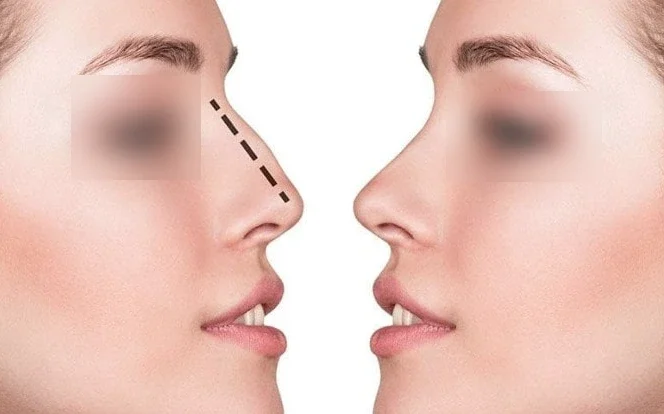
Persistent nasal blockage, difficulty breathing through one side of the nose, mouth breathing, snoring, or recurrent sinus problems can sometimes be related to a deviated nasal septum. When medication does not adequately address symptoms caused by a structural problem, surgical correction may be considered. nasal septum surgery in mumbai is commonly performed as septoplasty, a procedure designed to improve nasal airflow by correcting a deviated septum.
Dr. Shama Kovale, an experienced ENT surgeon at Kokilaben Dhirubhai Ambani Hospital, Andheri West, provides evaluation and surgical care for nasal and sinus conditions, including septal deviation. Her practice covers nose, sinus, airway, voice, swallowing, and other ENT conditions, with a focus on personalized diagnosis and treatment.
What Is a Deviated Nasal Septum?
The nasal septum is the structure that separates the two nasal passages. Ideally, it allows relatively balanced airflow through both sides of the nose. When the septum becomes significantly deviated, one or both nasal passages may become narrower.
A deviated septum can occur naturally or develop following nasal trauma or injury. Some people have a deviation without significant symptoms, while others may experience persistent nasal obstruction, mouth breathing, snoring, sleep disturbance, recurrent sinus problems, or difficulty breathing comfortably.
Not every deviated septum requires surgery. An ENT specialist first evaluates the symptoms and examines the nasal passages to determine whether the structural deviation is contributing to the patient’s concerns.
When Is Septoplasty Considered?
Septoplasty may be considered when a deviated septum causes persistent symptoms that affect breathing or quality of life. According to Dr. Shama Kovale’s septoplasty information, symptoms that may indicate a structural nasal problem include constant nasal stuffiness, mouth breathing and one-sided nasal blockage.
Patients may also seek evaluation when they experience:
- Persistent nasal obstruction
- Difficulty breathing through one nostril
- Recurrent nasal congestion
- Snoring or disturbed sleep
- Dry mouth associated with mouth breathing
- Recurrent sinus-related symptoms
- Facial pressure associated with nasal or sinus problems
A proper ENT assessment is important because nasal blockage can also result from allergies, enlarged turbinates, sinus disease, nasal polyps, or other conditions. Identifying the underlying cause helps determine the appropriate treatment.
How Is Septoplasty Performed?
Septoplasty focuses on correcting the internal nasal septum to improve the nasal airway. The objective is to realign or reshape the deviated portions of the septum while preserving the necessary structural support of the nose.
Dr. Kovale’s treatment approach includes precision septoplasty and, where appropriate, turbinate volume reduction. If sinusitis is also present, sinus conditions may be managed alongside the septal problem.
The procedure may be performed under general or local anesthesia depending on the clinical situation, although the reference page notes that general anesthesia is generally preferred for patient comfort.
Because septoplasty primarily involves internal nasal structures, it is different from cosmetic rhinoplasty. Septoplasty is primarily intended to improve nasal function, although selected patients may require combined functional and cosmetic nasal surgery depending on their anatomy and goals.
Diagnosis Before Nasal Septum Surgery
A detailed diagnosis is an important part of treatment planning. Dr. Kovale’s septoplasty approach uses nasal endoscopy and high-definition imaging to evaluate the nasal passages, identify septal deviation, and assess associated turbinate problems.
During consultation, the ENT specialist may discuss:
- Duration and severity of nasal blockage
- Whether symptoms are worse on one side
- History of nasal injury or trauma
- Sinus symptoms
- Snoring and sleep-related concerns
- Previous medical treatment
- Other nasal or respiratory conditions
This evaluation helps distinguish structural nasal obstruction from conditions such as allergic rhinitis or chronic sinusitis.
What Are the Potential Benefits of Septoplasty?
The primary goal of septoplasty is to improve nasal airflow when a deviated septum is contributing to obstruction. Better nasal airflow may make breathing more comfortable and can support improved nasal function.
The official treatment page describes potential benefits including better breathing, sleep and sinus drainage. It also describes the procedure as a minimally invasive, daycare-based approach, with many patients returning to work or light activities within approximately 5–7 days. Individual recovery can vary depending on the procedure and the patient’s overall health.
Patients should discuss expected recovery, restrictions, follow-up appointments, and possible complications with their surgeon before surgery.
Dr. Shama Kovale – Qualifications and Clinical Experience
Dr. Shama Kovale is an ENT specialist and Senior Consultant at Kokilaben Dhirubhai Ambani Hospital, Andheri West. Her qualifications include MBBS, DLO, and MS in ENT, with her postgraduate ENT training completed at B.Y.L. Nair Hospital, Mumbai. She is also certified in endoscopic sinus surgery and ear microsurgery and regularly participates in national and international ENT conferences.
Her profile reports more than 23 years of experience in ENT and voice surgery. Her clinical expertise includes nose and sinus disorders, endoscopic sinus surgery, ear microsurgery, cochlear implants, airway reconstruction, voice disorders, swallowing problems, and other ENT conditions.
For patients searching for the Best ENT in Mumbai, Dr. Kovale’s practice combines ENT expertise with specialized experience in airway, nasal, voice, and swallowing conditions.
Expertise in Nose, Sinus and Airway Surgery
Dr. Kovale treats a range of nasal and sinus conditions, including chronic sinusitis, nasal blockages, deviated septum and nosebleeds. Her listed surgical expertise includes endoscopic sinus surgery, septoplasty and turbinate reduction.
Her broader ENT expertise includes cochlear implant surgery, microlaryngoscopy, airway reconstruction and other endoscopic ENT procedures. This multidisciplinary ENT experience can be particularly relevant for patients whose nasal symptoms occur alongside sinus, airway, voice, or swallowing concerns.
Patient-Centred Care at Kokilaben Dhirubhai Ambani Hospital
Dr. Kovale’s profile emphasizes transparent communication and a patient-first approach. Patients are provided with an explanation of their diagnosis and treatment plan, personalized surgical or non-surgical care, and support during recovery.
She also heads the Voice and Swallowing Centre at Kokilaben Dhirubhai Ambani Hospital, which provides specialized services for voice and swallowing disorders. The hospital setting provides access to advanced ENT services and diagnostic and surgical facilities.
For patients with complex ENT concerns, having nasal, sinus, airway, voice and swallowing expertise within the same specialist practice can support a more comprehensive evaluation.
Recovery After Septoplasty
Recovery after septoplasty varies between patients. The reference page indicates that many patients can resume work and light activities within approximately 5–7 days. Nasal rinses, breathing therapy, and scheduled follow-up reviews may form part of postoperative care.
Patients should follow their surgeon’s postoperative instructions carefully. Temporary congestion or discomfort can occur during the healing period, and the surgeon can provide guidance regarding nasal care, physical activity, medications, and follow-up.
When Should You Consult an ENT Specialist?
If nasal obstruction is persistent or repeatedly interferes with sleep, exercise, work, or everyday activities, an ENT consultation can help identify the underlying cause.
People searching online for ENT Specialists Near Me in Mumbai should consider factors such as the specialist’s qualifications, relevant surgical experience, diagnostic approach, hospital facilities, and the type of ENT condition being treated.
A consultation with Dr. Shama Kovale can help determine whether the symptoms are caused by a deviated septum or another nasal or sinus condition and whether medical treatment or surgery may be appropriate.
Schedule Your Consultation Today
If persistent nasal blockage is affecting your breathing or daily comfort, timely evaluation can help identify whether a structural nasal problem is responsible.
Schedule Your Consultation Today
Consult Dr. Shama Kovale at Kokilaben Dhirubhai Ambani Hospital for timely evaluation and expert ENT care.
📞 Give Us a Ring: +91-91528 50769
📧 Email: drshamakovaleent@gmail.com
Frequently Asked Questions
1. What is nasal septum surgery?
Nasal septum surgery, commonly called septoplasty, is a procedure performed to correct a deviated nasal septum. The aim is to improve airflow through the nasal passages when structural deviation is contributing to breathing problems.
2. Who may need septoplasty?
Septoplasty may be considered for patients with persistent nasal obstruction, one-sided nasal blockage, mouth breathing, snoring, or related symptoms caused by a deviated septum. An ENT examination is necessary to determine whether septal deviation is responsible for the symptoms.
3. Is septoplasty performed under general anesthesia?
Septoplasty can be performed under local or general anesthesia depending on the patient’s condition and the complexity of the procedure. Dr. Kovale’s reference page notes that general anesthesia is generally preferred for patient comfort.
4. How long does recovery take after septoplasty?
The recovery period varies from person to person. The reference information indicates that many patients can return to work or light activities within approximately 5–7 days. Postoperative nasal rinses, breathing care and follow-up appointments may be recommended.