
Anal fissure is a common but often painful condition in which a small tear develops in the lining of the anal canal. Although the condition may initially seem minor, the sharp pain and burning associated with bowel movements can significantly affect daily life. Many people hesitate to discuss symptoms such as anal pain or rectal bleeding, which can delay diagnosis and treatment.
Dr. Bhavesh Doshi is a fellowship-trained Pediatric, General, and Laparoscopic Surgeon in Mumbai who also provides treatment for selected general surgical and anorectal conditions, including piles, fissures, fistulas, and other colorectal problems. His approach emphasizes accurate diagnosis, appropriate treatment, minimally invasive techniques when suitable, and patient-focused care.
For patients searching for a fissure specialist in borivali, professional evaluation can help identify whether symptoms are actually caused by an anal fissure or another anorectal condition requiring a different treatment approach.
What Is an Anal Fissure?
An anal fissure is a small tear in the delicate lining of the anal canal. It commonly develops when hard or dry stools stretch and injure the anal lining. Constipation and repeated straining can contribute to the problem.
Common symptoms include:
- Sharp pain during bowel movements
- Burning or discomfort that may continue after passing stools
- Fresh blood on toilet paper or around the stool
- Fear of passing stools because of pain
- Constipation or difficulty passing hard stools
An important characteristic of an anal fissure is the cycle between pain and constipation. Because passing stools hurts, a person may consciously delay bowel movements. This can cause the stool to become harder, potentially worsening the fissure.
What Causes Anal Fissures?
Several factors can contribute to the development of an anal fissure. Chronic constipation and passing hard stools are among the common triggers. Persistent diarrhoea can also irritate the anal lining.
Other possible contributing factors include:
- Straining during bowel movements
- Low-fibre diet
- Inadequate water intake
- Chronic diarrhoea
- Pregnancy
- Prolonged sitting
- Certain inflammatory bowel conditions
- Previous anorectal problems
Identifying the contributing factor is important because treatment should address not only the existing tear but also the bowel habits or medical condition that may have contributed to it.
Acute vs Chronic Anal Fissure
Anal fissures can generally be considered acute or chronic depending on how long they have been present and their clinical characteristics.
An acute fissure may heal with conservative treatment when the underlying bowel problem is addressed early. Increasing dietary fibre, maintaining adequate hydration, using stool-softening measures, taking warm sitz baths, and following prescribed topical or pain-relieving medication may help.
A fissure that persists despite appropriate treatment may become chronic. Chronic fissures can be associated with recurring pain and may require further treatment or surgery.
This is why persistent symptoms should not simply be managed with repeated home remedies. A specialist examination can help determine the appropriate treatment.
Why Accurate Diagnosis Matters
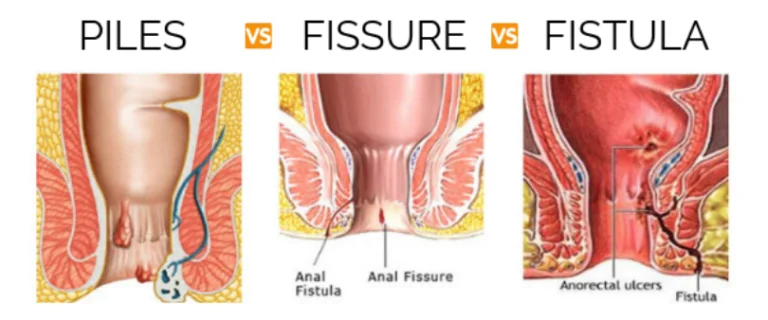
Pain or bleeding around the anus does not always mean that a person has piles. Piles, anal fissures, and fistulas are separate conditions with different causes and treatment approaches.
Piles may cause bleeding, itching, swelling, or a lump. A fissure is more commonly associated with sharp pain and burning during or after bowel movements. An anal fistula can cause persistent pus discharge, recurrent swelling, pain, or repeated abscess formation.
Dr. Bhavesh Doshi’s official treatment information emphasizes the importance of identifying the exact anorectal condition before beginning treatment. Depending on symptoms, a surgeon may use clinical examination, digital rectal examination, proctoscopy or anoscopy, and additional investigations such as MRI fistulography for complex fistulas.
Treatment Options for Anal Fissure
The treatment approach depends on whether the fissure is acute or chronic and whether conservative measures have been effective.
Conservative Treatment
Early fissures may respond to non-surgical treatment. This may include:
- Increasing dietary fibre
- Drinking adequate water
- Stool softeners where recommended
- Warm sitz baths
- Avoiding excessive straining
- Prescribed topical medications
- Appropriate pain management
These measures are intended to make bowel movements easier and allow the injured tissue to heal.
Treatment for Chronic Fissure
If a fissure does not heal despite appropriate medical treatment, surgical intervention may be considered.
One established procedure is Lateral Internal Sphincterotomy (LIS). The procedure involves carefully relaxing a portion of the internal anal sphincter to reduce excessive muscle spasm and allow the fissure to heal.
Whether surgery is appropriate depends on the individual patient’s symptoms, clinical findings, medical history, and previous treatment.
Dr. Bhavesh Doshi: Qualifications and Surgical Expertise
Dr. Bhavesh Doshi is an M.S., M.Ch.-qualified, fellowship-trained surgeon with expertise spanning pediatric, general, laparoscopic, and minimally invasive surgery. His professional training includes advanced pediatric surgery and pediatric urology, along with experience in general surgical conditions.
His clinical training includes experience at institutions such as K. J. Somaiya Medical College, B. L. Y. Nair Hospital, Padmashree Dr. D. Y. Patil Medical College, Bhagwati Hospital, R. N. Cooper Hospital, Sri Aurobindo Institute of Medical Sciences, and L.T.M.G. Medical College and Sion Hospital. He also completed specialized fellowship training in Minimal Access Pediatric Surgery in Hanoi, Vietnam.
His areas of surgical expertise include minimally invasive surgery, pediatric surgery, pediatric urology, general surgery, and anorectal conditions such as piles, fissures, and fistulas.
Patient-Focused Care at Dhanvantari Hospital
For patients dealing with a sensitive anorectal problem, privacy, clear communication, and a comfortable clinical environment are important. Dr. Bhavesh Doshi’s practice emphasizes explaining diagnosis and treatment options in clear language so patients can make informed decisions. His official profile also highlights transparent and ethical treatment and personalized care.
At Dhanvantari Hospital, patients can undergo evaluation for anorectal conditions and discuss both non-surgical and surgical treatment options according to their individual requirements.
The objective is not simply to control symptoms temporarily but to address the underlying condition and reduce the possibility of recurrence.
Lifestyle Measures That May Help Prevent Recurrence
Once symptoms improve, maintaining healthy bowel habits can help reduce the risk of another fissure.
Helpful habits include:
- Eat fibre-rich fruits, vegetables, whole grains, and other suitable foods.
- Drink sufficient fluids throughout the day.
- Avoid excessive straining during bowel movements.
- Do not routinely delay the urge to pass stools.
- Maintain regular physical activity.
- Address chronic constipation promptly.
- Follow your surgeon’s recommendations after treatment.
These measures are particularly useful for people who are prone to constipation or have previously experienced an anal fissure.
When Should You See a Specialist?
You should seek medical evaluation if anal pain continues, bleeding repeatedly occurs, symptoms interfere with bowel movements, or conservative measures do not provide relief.
Immediate medical attention is particularly important if you experience heavy rectal bleeding, increasing swelling with severe pain, fever, difficulty passing stools or gas, or persistent pus discharge. Such symptoms can indicate a more significant anorectal problem requiring prompt assessment.
Early diagnosis can help prevent a manageable condition from becoming chronic and can also distinguish a fissure from piles, fistula, abscess, or another colorectal condition.
Why Choose Dr. Bhavesh Doshi for Fissure Care?
Patients looking for a Pediatric Surgeon in Mumbai may know Dr. Bhavesh Doshi for his pediatric and minimally invasive surgical expertise, but his practice also includes selected general surgical conditions in adults, including piles, fissures, fistulas, hernias, gallstones, and kidney stones.
His broader expertise as a Pediatric Urologist in Mumbai reflects his specialized surgical training, while his general and laparoscopic surgical practice enables him to evaluate anorectal conditions as part of comprehensive surgical care.
The focus remains on determining the actual cause of symptoms and recommending appropriate treatment rather than assuming every anal problem is piles or treating symptoms without diagnosis.
Book a Consultation with Dr. Bhavesh Doshi
Persistent anal pain or bleeding should not be ignored because early assessment can make treatment simpler and help prevent chronic symptoms.
If you are experiencing symptoms suggestive of an anal fissure, Dr. Bhavesh Doshi can evaluate your condition and explain suitable medical or surgical treatment options based on your diagnosis.
📞 9820565205 ☎️ 022 28338378
Get directions to the clinic – Dhanvantari Hospital
Experiencing persistent anal pain, burning, or bleeding?
Contact Dr. Bhavesh Doshi today to schedule a consultation. Get directions to the Borivali clinic and take the first step toward accurate diagnosis and personalized fissure treatment.
Frequently Asked Questions
1. What are the common symptoms of an anal fissure?
Sharp pain during bowel movements, burning that may continue afterward, and fresh blood on toilet paper are common symptoms. Constipation and fear of passing stools may also occur.
2. Can an anal fissure heal without surgery?
Yes. Many acute fissures can improve with conservative measures such as fibre, adequate hydration, stool-softening strategies, warm sitz baths, and prescribed medications. Chronic fissures that do not respond to appropriate medical treatment may require surgery.
3. Is anal fissure the same as piles?
No. A fissure is a tear in the anal lining, while piles are swollen veins in or around the anus. Their symptoms can overlap, but their treatments are different. Accurate diagnosis is therefore important.
4. When should I consult Dr. Bhavesh Doshi?
You should consider consultation for persistent anal pain, recurring bleeding, difficulty passing stools, symptoms that do not improve with conservative care, or recurrent anorectal problems. Severe pain, fever, significant swelling, or persistent discharge warrants prompt medical evaluation.