
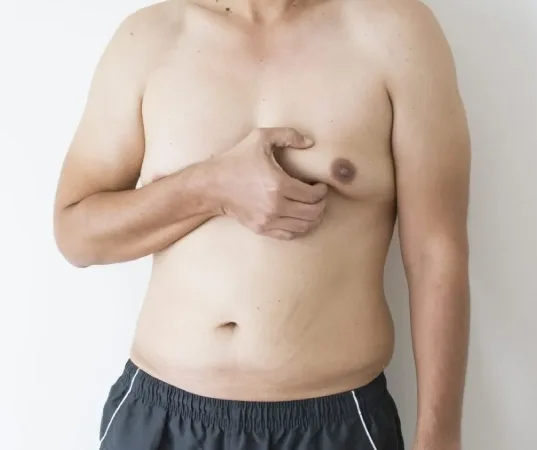
Gynecomastia is a common condition characterized by the enlargement of male breast glandular tissue, which can affect chest appearance and self-confidence. It may develop during puberty, adulthood, or later life due to hormonal changes, certain medications, or underlying health conditions. While exercise and weight management can reduce excess chest fat, they cannot always eliminate enlarged glandular tissue. Gynecomastia Surgery in Mumbai offers a surgical option for men seeking a flatter, more proportionate chest.
Dr. Devayani Barve at Jewel Aesthetic Centre provides personalized male breast reduction procedures using liposuction and gland excision techniques. Her approach focuses on careful assessment, patient safety, natural-looking contours, and realistic expectations.
What Is Gynecomastia?
Gynecomastia refers to the benign enlargement of glandular breast tissue in males. It can affect one or both sides of the chest and may cause swelling, tenderness, or prominent nipples.
The condition is different from pseudogynecomastia, which involves excess fatty tissue without significant glandular enlargement.
Common Causes of Gynecomastia
Several factors may contribute to male breast enlargement:
- Hormonal Imbalances: Changes in testosterone and estrogen levels can stimulate breast tissue growth.
- Puberty: Temporary hormonal fluctuations may cause breast enlargement in adolescent boys.
- Obesity: Increased body fat can contribute to chest fullness and hormonal changes.
- Medications: Certain medicines, anabolic steroids, and hormonal treatments may trigger gynecomastia.
- Medical Conditions: Thyroid disorders, liver disease, and other hormonal conditions can sometimes contribute.
- Ageing: Hormonal changes associated with ageing may increase the likelihood of breast tissue enlargement.
Identifying the underlying cause is important before considering surgical treatment.
Who Should Consider Gynecomastia Surgery in Mumbai?
Male breast reduction surgery may be appropriate for individuals with persistent glandular enlargement that does not resolve with observation or treatment of underlying causes.
Suitable candidates may include men who:
- Have persistent enlarged breast tissue.
- Experience discomfort or tenderness around the chest.
- Feel self-conscious about their chest appearance.
- Have maintained a relatively stable body weight.
- Are in good general health.
- Have realistic expectations about surgical outcomes.
Gynecomastia Surgery in Mumbai is generally considered after reversible causes have been assessed and appropriate medical evaluation has been completed. Adolescents may be advised to wait before undergoing surgery because pubertal gynecomastia often resolves naturally over time.
How Is Gynecomastia Surgery Performed?
Gynecomastia surgery involves removing excess glandular tissue, fatty deposits, or both to improve chest contour.
Dr. Devayani Barve evaluates the degree of enlargement, skin elasticity, and chest proportions before recommending a surgical technique.
1. Initial Consultation
The consultation includes a review of medical history, medications, hormonal concerns, and physical symptoms. Additional investigations may be recommended when clinically indicated.
2. Liposuction
When excess fatty tissue contributes to chest enlargement, liposuction may be used to remove localized fat through small incisions.
3. Gland Excision
Firm glandular tissue that cannot be removed effectively through liposuction may require direct surgical excision. The incision is commonly placed along the border of the areola.
4. Chest Contouring
The surgeon reshapes the chest to improve proportion and symmetry. Patients with significant excess skin may require additional skin removal.
5. Postoperative Care
Depending on the procedure and medical assessment, surgery may be performed under local anesthesia with sedation or general anesthesia. Some patients can return home the same day, while others may require observation.
Benefits of Male Breast Reduction Surgery
Surgical treatment may offer several benefits for appropriately selected patients.
Improved Chest Contour: Removing excess glandular tissue and fat can create a flatter, more proportionate chest.
Better Clothing Fit: Patients may feel more comfortable wearing fitted shirts and other clothing.
Reduced Physical Discomfort: Surgery may relieve tenderness associated with enlarged breast tissue in some patients.
Improved Body Confidence: Changes in chest appearance may help individuals feel more comfortable with their bodies.
Long-Lasting Results: Removed glandular tissue generally does not regrow, although recurrence remains possible if hormonal or medication-related triggers persist.
Results vary according to individual anatomy, skin elasticity, and healing.
Recovery After Gynecomastia Surgery
Recovery depends on the extent of surgery, individual healing, and postoperative instructions.
First 1–3 Days: Mild to moderate soreness, swelling, and bruising are common. Prescribed medication helps manage discomfort.
First Week: Many patients can gradually resume light daily activities and desk-based work, depending on their recovery.
After 2 Weeks: Gentle physical activities may be introduced with the surgeon’s approval.
After 4–6 Weeks: Many patients can gradually return to more demanding exercise, provided healing is progressing appropriately.
Around 3 Months: Swelling usually reduces considerably, allowing the chest contour to become clearer. Final healing and scar maturation can take longer.
Compression garments are often recommended for approximately four to six weeks, depending on the surgeon’s instructions.
Patients should avoid strenuous activity during early recovery and attend scheduled follow-up appointments.
Risks and Precautions
Like any surgical procedure, gynecomastia correction involves potential risks, including bleeding, infection, fluid accumulation, scarring, changes in nipple sensation, contour irregularities, and asymmetry.
Before surgery, patients should disclose existing medical conditions, medications, supplements, and smoking habits.
Following postoperative instructions, wearing compression garments when prescribed, and maintaining a stable weight can support recovery.
About Dr. Devayani Barve – Plastic Surgeon in Mumbai, India
Dr. Devayani Barve is a qualified plastic, aesthetic, and reconstructive surgeon practicing at Jewel Aesthetic Centre in Juhu, Mumbai.
She holds the following qualifications:
- MBBS: KEM Hospital, Mumbai, 2007.
- MS in General Surgery: KEM Hospital, Mumbai, 2010.
- M.Ch in Plastic Surgery: PGIMER, Chandigarh, 2013.
- ECFMG Certification: USA, 2015.
- International Aesthetic Fellowship: American Society for Aesthetic Plastic Surgery, 2016–2017.
She also completed advanced aesthetic and breast surgery training in Miami, USA, and previously served as an Assistant Professor of Plastic Surgery at Christian Medical College, Vellore.
With over 18 years of experience as stated on her professional website, Dr. Devayani Barve focuses on breast surgery, body contouring, liposuction, facial aesthetics, and reconstructive procedures.
Recognized through her practice as a Celebrity Plastic Surgeon in Mumbai, India, she emphasizes individualized treatment planning, discretion, and natural-looking surgical outcomes.
Jewel Aesthetic Centre – Clinic Environment and Patient Care
Jewel Aesthetic Centre in Juhu provides a consultation setting focused on privacy, comfort, and personalized aesthetic treatment.
The clinic emphasizes detailed consultations, patient education, and postoperative guidance. Patients receive information about available surgical options, expected recovery, potential complications, and follow-up requirements.
Dr. Devayani Barve is also associated with Nanavati Max Super Speciality Hospital and Lilavati Hospital and Research Center in Mumbai.
Cost of Gynecomastia Surgery in Mumbai
The cost of male breast reduction surgery varies depending on the complexity of the condition and the treatment required.
Important cost factors include:
- Amount of glandular tissue and excess fat.
- Liposuction, gland excision, or combined techniques.
- Type of anesthesia.
- Hospital and operating facility charges.
- Compression garments and medications.
- Postoperative follow-up requirements.
An accurate estimate can be provided after a clinical examination and discussion of the proposed surgical plan.
Frequently Asked Questions (FAQs)
1. Is gynecomastia surgery permanent?
Gynecomastia surgery provides long-lasting correction by removing enlarged glandular tissue. However, recurrence is possible if underlying hormonal imbalances, medications, or anabolic steroid use continue to stimulate breast tissue growth.
2. Is gynecomastia surgery painful?
The procedure is performed under appropriate anesthesia. Patients may experience soreness, swelling, and temporary discomfort afterward, which can usually be managed with prescribed medication.
3. Will gynecomastia surgery leave scars?
Small scars are expected, commonly around the areola or at liposuction incision sites. Their visibility generally decreases over time, although scars cannot be guaranteed to disappear completely.
4. How long does recovery take after gynecomastia surgery?
Many patients resume light activities within approximately one week. Strenuous exercise may need to be avoided for four to six weeks, depending on the procedure and individual recovery.
Book Your Consultation with Dr. Devayani Barve
Considering male breast reduction? Schedule a personalized consultation with Dr. Devayani Barve at Jewel Aesthetic Centre to discuss your chest concerns, surgical options, expected recovery, and treatment costs.
+91 91673 34189 | +91 91360 41545 | +91 90823 98791
doctorbarve@gmail.com
Get Directions to the Clinic – Jewel Aesthetic Centre, Mumbai