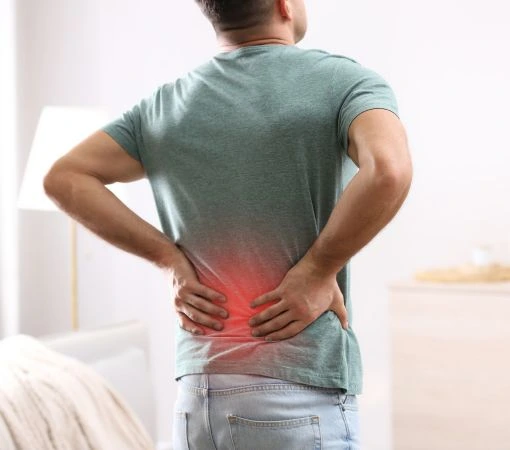
Lower back pain can make everyday activities such as sitting at a desk, commuting, bending, walking, and sleeping uncomfortable. For some people, the pain develops after lifting a heavy object or making a sudden movement. For others, it gradually becomes persistent due to spinal disc problems, age-related changes, muscle weakness, or nerve compression.
Although many episodes of lower back pain improve with appropriate conservative care, recurring or severe symptoms deserve medical attention. Identifying the underlying cause helps determine the most suitable treatment and reduces the risk of relying on temporary pain relief without addressing the problem.
At Synapse Spine, patients can consult a multidisciplinary team of orthopaedic spine surgeons, neurosurgeons, and spine specialists for assessment and personalised treatment planning. The clinic’s approach emphasises accurate diagnosis, non-surgical treatment when appropriate, and surgery when clinically necessary.
What Is Lower Back Pain?
The lower back, also called the lumbar region, supports much of the body’s weight and helps with bending, twisting, standing, and walking. It contains vertebrae, intervertebral discs, joints, muscles, ligaments, and nerves that work together to provide stability and movement.
Pain can arise from any of these structures. It may feel like a dull ache, sharp discomfort, stiffness, or pain that travels into the buttocks and legs. Some people experience symptoms only during certain movements, while others have persistent discomfort that interferes with sleep or daily activities.
Seeking Low back Pain Treatment in Mumbai can help patients understand whether their symptoms are related to muscular strain, a spinal disc problem, nerve irritation, or another condition requiring specific care.
Common Causes of Lower Back Pain
1. Muscle Strain and Ligament Sprain
Lifting heavy objects incorrectly, sudden twisting, strenuous exercise, and prolonged poor posture can strain the muscles and ligaments supporting the spine. These injuries often cause localised pain and stiffness that may worsen with movement.
Treatment commonly includes maintaining gentle activity, modifying aggravating movements, and gradually returning to normal activities as symptoms improve.
2. Herniated or Slipped Disc
Spinal discs act as cushions between the vertebrae. When disc material protrudes or escapes through a weakened area, it may irritate nearby nerves. This can cause lower back pain, shooting leg pain, tingling, numbness, or weakness.
A herniated disc does not automatically require surgery. Treatment depends on symptom severity, examination findings, and whether nerve function is affected.
3. Degenerative Disc Disease
Spinal discs can lose hydration and flexibility with age. These changes may contribute to stiffness or discomfort, although disc degeneration seen on imaging does not always cause pain.
A specialist evaluates scan findings alongside symptoms and physical examination before recommending treatment.
4. Lumbar Spinal Stenosis
Spinal stenosis occurs when the spaces around the spinal nerves become narrower. Some people experience pain, numbness, or heaviness in their legs while standing or walking, with improvement when sitting or bending forward.
Treatment depends on the degree of narrowing, its effect on nerve function, and the patient’s overall health.
5. Spondylosis and Joint-Related Problems
Age-related changes in the spinal joints and surrounding structures may contribute to back stiffness and discomfort. Management may include exercise-based rehabilitation, activity modification, and medication when appropriate.
Symptoms That Should Not Be Ignored
Lower back pain can present differently depending on its cause. Common symptoms include:
- Aching or stiffness in the lower back.
- Pain that increases when bending, lifting, or sitting for long periods.
- Pain spreading into the buttocks or one or both legs.
- Tingling or numbness in the legs or feet.
- Reduced flexibility or difficulty performing everyday tasks.
- Recurrent episodes that interfere with work, exercise, or sleep.
Seek emergency medical attention if back pain is accompanied by new loss of bladder or bowel control, numbness around the groin or inner thighs, or rapidly worsening leg weakness. These symptoms may indicate serious nerve compression. Back pain following significant trauma, or accompanied by fever or unexplained weight loss, also warrants prompt medical assessment.
How Is Lower Back Pain Diagnosed?
Effective treatment begins with understanding the cause rather than treating every case in the same way.
At a consultation, the spine specialist may ask when the pain started, what makes it better or worse, whether it travels into the legs, and whether there are associated symptoms. The examination may include assessment of posture, spinal movement, muscle strength, reflexes, sensation, and walking ability.
Imaging is not necessary for every episode of back pain. Depending on the clinical findings, investigations may include:
- X-rays: To assess spinal alignment, selected bone abnormalities, and certain degenerative changes.
- MRI: To evaluate spinal discs, nerves, and other soft tissues when indicated.
- CT scans: To examine bony structures in selected cases.
- Nerve studies: To investigate possible nerve dysfunction when clinically appropriate.
The findings help the doctor explain the diagnosis and discuss the available treatment options.
Treatment Options at Synapse Spine
Synapse Spine provides assessment and treatment for back pain, slipped discs, sciatica, spinal stenosis, and other spinal conditions. Treatment is tailored to the patient’s symptoms, diagnosis, functional needs, and recovery goals.
1. Physiotherapy and Rehabilitation
Physiotherapy is often an important part of treatment for lower back pain. A personalised programme may include core-strengthening exercises, stretching, mobility training, movement retraining, and gradual increases in activity.
Patients may also receive guidance on lifting techniques, workstation ergonomics, posture, and home exercises. Prolonged bed rest is generally discouraged because gentle movement and appropriate activity can support recovery.
2. Medication and Pain Management
A doctor may recommend medication to help manage pain or inflammation when appropriate. The choice depends on the patient’s medical history, other medications, and potential side effects.
Medication should be taken according to professional advice. It may help control symptoms, but the treatment plan should also address movement, function, and the underlying diagnosis where possible.
3. Interventional Pain Management
For selected patients with persistent pain despite conservative treatment, an interventional procedure may be considered. Depending on the suspected pain source, options may include targeted injections or radiofrequency ablation.
These treatments are not suitable for every patient. A specialist may recommend diagnostic procedures or additional assessment before deciding whether an intervention is likely to help.
4. Spine Surgery When Necessary
Surgery may be considered when there is significant nerve compression, progressive neurological weakness, or persistent disabling symptoms that have not responded to appropriate non-surgical treatment.
Depending on the diagnosis, surgical options may include:
- Microdiscectomy or lumbar discectomy: To remove disc material compressing a nerve.
- Lumbar decompression: To create more space for compressed spinal nerves.
- Foraminotomy: To enlarge the opening through which a spinal nerve exits.
- Spinal fusion: To stabilise selected spinal segments when indicated.
- Artificial disc replacement: An option for carefully selected patients with particular disc conditions.
Minimally invasive or endoscopic techniques may be appropriate for certain procedures. The safest approach depends on the patient’s condition, anatomy, and the surgeon’s assessment. Surgery is not the first choice for most cases of uncomplicated lower back pain.
Meet the Spine Specialists at Synapse Spine
spine specialist Doctor in Mumbai brings together specialists from orthopaedic spine surgery and neurosurgery, enabling patients with different spinal conditions to receive an appropriate assessment.
The clinic’s doctor profiles include specialists with qualifications such as MBBS, MS in Orthopaedics, DNB, and MCh in Neurosurgery, alongside additional spine surgery fellowships and specialist training.
For example, Dr. Nandan Marathe is an orthopaedic spine surgeon with training in orthopaedics at Seth GS Medical College and KEM Hospital, Mumbai, and fellowship experience in complex spine surgery and spinal deformity at the University of Toronto. The team also includes brain and spine surgeon Dr. Anuj Bhide, whose qualifications include MBBS, MS in General Surgery, and MCh in Neurosurgery.
The clinic’s multidisciplinary model supports assessment across a range of spinal problems, from common back pain to complex conditions that may require surgical expertise.
Why Choose Synapse Spine?
Choosing a spine clinic involves finding a team that explains the diagnosis clearly and recommends treatment based on clinical need. Synapse Spine focuses on individual assessment, evidence-informed treatment planning, conservative care when appropriate, and discussion of surgical options when necessary.
The clinic has multiple consultation locations across Mumbai and the surrounding region. Patients should confirm the most convenient location and the relevant specialist’s availability before visiting.
Book a Consultation at Synapse Spine
Persistent lower back pain can affect your mobility, sleep, work, and quality of life. A specialist assessment can help you understand the likely cause and identify a practical treatment plan.
If you are experiencing recurring back pain, pain travelling into your legs, or difficulty with everyday movement, contact Synapse Spine to arrange an appointment with an appropriate spine specialist.
Take the next step towards understanding your back pain and exploring treatment options suited to your needs.
Frequently Asked Questions
1. What is the best treatment for lower back pain?
Treatment depends on the cause. Many cases improve with appropriate activity, physiotherapy, strengthening exercises, and short-term medication when needed. Persistent symptoms or nerve-related problems may require additional investigations or specialist treatment.
2. Does lower back pain always require surgery?
No. Most cases do not require surgery. An operation may be considered when symptoms remain disabling despite appropriate non-surgical care or when significant nerve compression or progressive neurological problems are present.
3. When should I see a spine specialist for back pain?
Arrange an assessment if pain persists, repeatedly returns, spreads into the legs, or limits walking and daily activities. Seek emergency care for new bladder or bowel control problems, numbness around the groin, or rapidly worsening leg weakness.
4. Do I need an MRI for lower back pain?
Not always. A doctor may diagnose uncomplicated back pain through the history and physical examination. MRI is generally considered when symptoms, examination findings, or suspected underlying conditions make imaging necessary to guide treatment.