
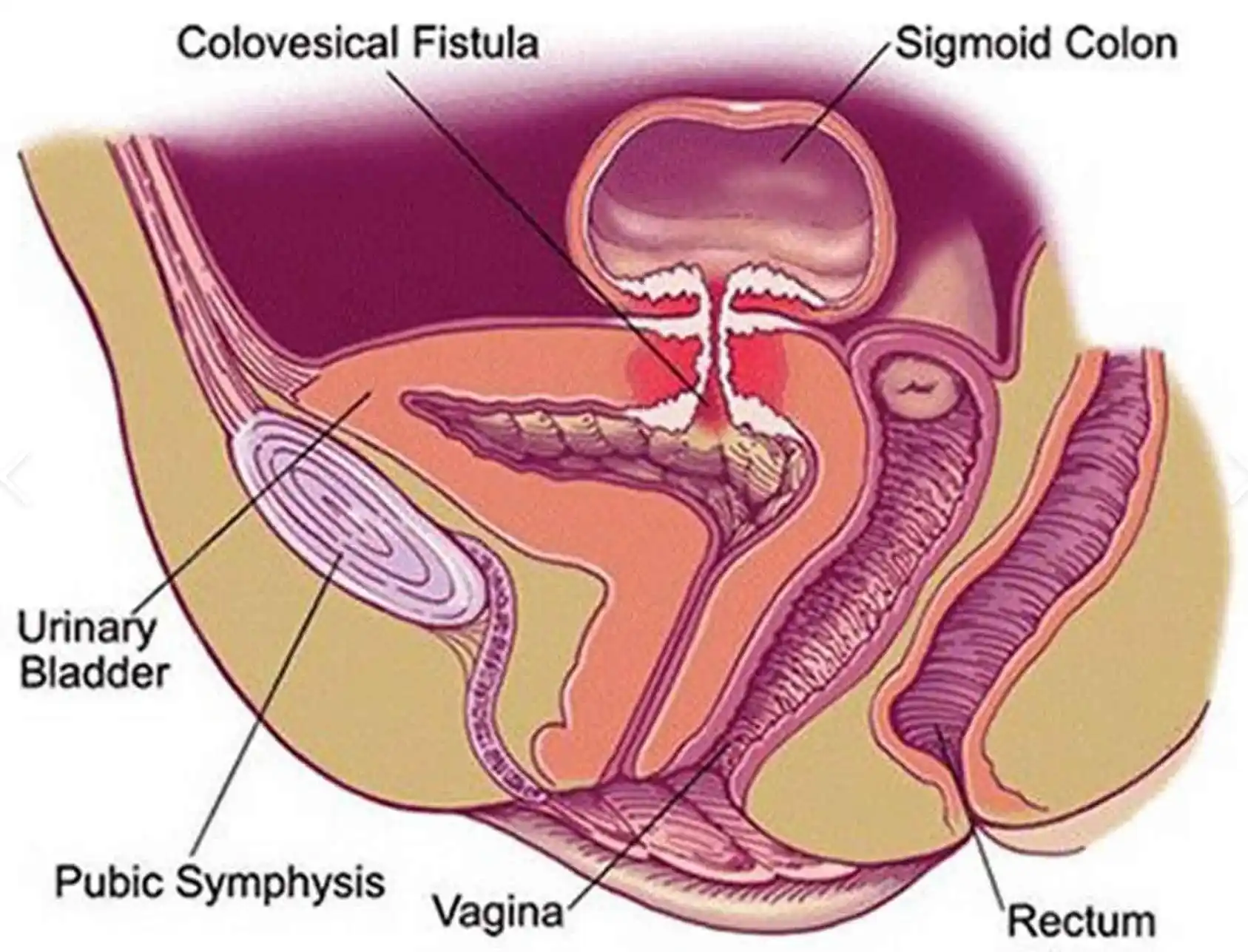
Urinary fistulas are abnormal connections between the urinary tract and surrounding organs that can cause continuous urine leakage, discomfort, and recurrent infections. Conditions such as vesicovaginal fistula (VVF) and ureterovaginal fistula (UVF) may develop following pelvic surgery, complicated childbirth, radiation therapy, or traumatic injuries. Persistent urinary leakage can significantly affect personal hygiene, emotional well-being, and everyday activities. Seeking Urinary fistula treatment Mumbai from an experienced urologist like Dr. Vivek Venkat can help patients receive an accurate diagnosis, personalised treatment, and appropriate surgical care to restore urinary function and improve quality of life.
Urinary fistula treatment Mumbai at Jewel Urology Center, under the care of Dr. Vivek Venkat, focuses on accurate diagnosis, advanced reconstructive techniques, and personalised treatment planning. With expertise in robotic urology and complex urinary tract surgery, Dr. Venkat helps patients explore appropriate options for restoring urinary function and improving quality of life.
What Is Urinary Fistula Treatment Mumbai?
A urinary fistula is an abnormal passage that develops between the urinary system and another organ, allowing urine to leak through an unintended route. Unlike common urinary incontinence, fistula-related leakage may occur continuously, even when the patient is not actively urinating.
Treatment aims to close the abnormal connection, restore normal urinary drainage, and preserve bladder and kidney function.
The approach depends on the fistula’s location, size, underlying cause, tissue condition, and previous surgical history.
While selected small fistulas may occasionally respond to catheter drainage, most established urinary fistulas require surgical repair.
Common Types of Urinary Fistulas
Understanding the different types of urinary fistulas helps determine the appropriate treatment approach.
1. Vesicovaginal Fistula (VVF)
VVF develops when an abnormal connection forms between the urinary bladder and vagina. It commonly causes continuous urine leakage through the vagina, even when normal urination remains possible.
2. Ureterovaginal Fistula (UVF)
UVF occurs when a ureter, the tube carrying urine from the kidney to the bladder, develops an abnormal connection with the vagina. This condition may affect kidney drainage and requires specialised evaluation.
3. Urethrovaginal Fistula
This fistula connects the urethra to the vagina, potentially causing urinary leakage and difficulty maintaining urinary control.
4. Vesicoenteric Fistula
A vesicoenteric fistula forms between the bladder and intestine. Patients may experience recurrent urinary infections, air in the urine, or faecal contamination of urine.
5. Complex Pelvic Fistulas
Complex fistulas may involve multiple organs, previous surgical repairs, radiation-damaged tissues, or extensive scarring. These conditions often require advanced reconstructive planning.
What Causes Urinary Fistulas?
Several medical conditions and surgical complications may contribute to urinary fistula formation.
- Hysterectomy: Urinary tract injury during or following uterine removal surgery may occasionally lead to fistula formation.
- Pelvic surgery: Complex gynaecological, colorectal, or urological procedures may damage nearby urinary structures.
- Complicated childbirth: Prolonged obstructed labour can cause tissue injury and fistula development.
- Radiation therapy: Pelvic radiation may affect tissue healing and increase the risk of fistulas.
- Pelvic injuries: Traumatic injuries involving the bladder, ureters, or surrounding organs may create abnormal connections.
- Cancer-related complications: Certain pelvic cancers or their treatments can damage urinary tissues.
Identifying the underlying cause is essential for developing an effective treatment strategy.
Symptoms That May Indicate a Urinary Fistula
Patients seeking Urinary fistula treatment Mumbai may experience several symptoms depending on the type and location of the fistula.
Common symptoms include:
- Continuous leakage of urine through the vagina.
- Persistent wetness despite normal urination.
- Recurrent urinary tract infections.
- Unpleasant-smelling vaginal discharge.
- Irritation or inflammation around the genital area.
- Pelvic discomfort or pain.
- Emotional distress and reduced confidence.
Persistent urine leakage after pelvic surgery or childbirth should be evaluated by a qualified urologist.
Fever, severe pain, or reduced urine output requires prompt medical attention.
How Are Urinary Fistulas Diagnosed?
Accurate diagnosis helps identify the fistula’s location, size, and involvement of surrounding structures.
Clinical Examination
The doctor reviews medical history, previous surgeries, symptoms, and urinary function. A pelvic examination may help identify the abnormal opening.
Cystoscopy
A thin instrument with a camera is inserted through the urethra to examine the bladder and identify possible fistula openings.
CT Urography
CT imaging helps assess the kidneys, ureters, and bladder, particularly when ureteral injury is suspected.
MRI Scan
MRI may provide detailed images of pelvic tissues in complicated or recurrent fistulas.
Dye Testing
Specialised dye tests help determine whether urine leakage originates from the bladder or another urinary structure.
Retrograde Studies
Retrograde imaging may be recommended to evaluate ureteral involvement and plan reconstructive treatment.
These investigations support precise surgical planning and help protect urinary tract function.
Advanced Treatment Options for Urinary Fistulas
Urinary fistula treatment Mumbai may involve conservative management, reconstructive surgery, or minimally invasive procedures depending on the condition.
1. Catheter Drainage
Selected small, recently developed fistulas may be managed initially with continuous bladder drainage using a urinary catheter. However, many established fistulas require surgical correction.
2. Vesicovaginal Fistula Repair
VVF surgery involves identifying and closing the abnormal connection between the bladder and vagina. The surgeon may use layered tissue repair to support healing and restore normal urinary drainage.
3. Ureterovaginal Fistula Repair
UVF treatment may involve ureteral stenting or surgical reconstruction. In certain cases, ureteric reimplantation is performed to reconnect the ureter to the bladder.
4. Robotic-Assisted Fistula Surgery
Robotic surgery allows surgeons to operate using magnified three-dimensional visualisation and specialised instruments.
Potential advantages for selected patients include smaller incisions, reduced tissue disruption, and improved access to deep pelvic structures.
5. Complex Reconstructive Surgery
Patients with recurrent fistulas, extensive scarring, or radiation-related tissue damage may require specialised reconstruction using additional healthy tissue.
The surgical approach is selected after evaluating the patient’s anatomy, tissue health, and overall condition.
Meet Dr. Vivek Venkat – Consultant Uro-Oncologist and Robotic Urologist
Dr. Vivek Venkat is a fellowship-trained urologic oncologist and robotic surgeon practising at Jewel Urology Center in Mumbai. His professional website reports over 15 years of experience in urology, minimally invasive procedures, and complex urinary tract surgery.
Educational Qualifications
Dr. Vivek Venkat’s qualifications include:
- MBBS: B.J. Medical College, Pune.
- MS in General Surgery: Seth G.S. Medical College and KEM Hospital, Mumbai.
- M.Ch in Urology: Christian Medical College, Vellore, where he received a gold medal.
- Fellowship in Uro-Oncology and Robotic Surgery: University of Miami Miller School of Medicine, USA, 2015–2017.
- ECFMG Certification: United States.
Clinical Experience and Expertise
Dr. Vivek Venkat previously served as an Assistant Professor in the Department of Urology and Renal Transplantation at Christian Medical College, Vellore.
He also worked as a Clinical Instructor in Urologic Oncology and Robotic Surgery at the University of Miami Hospital.
His international fellowship involved participation in more than 800 robotic surgical cases.
His expertise includes robotic urological surgery, bladder reconstruction, VVF and UVF repair, prostate surgery, kidney surgery, and complex urinary tract conditions.
Patients searching for the Best Uro Oncologist in Mumbai can explore his qualifications, clinical background, and experience in reconstructive urology.
Why Choose Jewel Urology Center for Urinary Fistula Treatment?
Jewel Urology Center in Vile Parle West, Mumbai, provides specialist consultations for urinary tract disorders and complex urological conditions.
The centre emphasises personalised assessment, patient communication, evidence-based treatment planning, and postoperative follow-up.
Dr. Vivek Venkat is also associated with Nanavati Max Super Speciality Hospital and Saifee Hospital in Mumbai.
Patients looking for the Best Uro Surgeon in Mumbai can consult Dr. Vivek Venkat to understand the available surgical approaches, potential risks, and expected recovery requirements.
His treatment philosophy focuses on accurate diagnosis, preserving urinary function, and selecting appropriate reconstructive techniques.
Recovery After Urinary Fistula Repair
Recovery following Urinary fistula treatment Mumbai depends on the fistula type, surgical complexity, and individual healing response.
Patients commonly require temporary urinary catheter drainage to protect the repaired tissues.
Postoperative recommendations may include:
- Maintaining catheter hygiene as instructed.
- Taking prescribed medications.
- Avoiding heavy lifting and strenuous activities.
- Following wound care instructions.
- Avoiding sexual intercourse until medically cleared.
- Attending scheduled follow-up appointments.
- Monitoring for fever, persistent leakage, or worsening pain.
Many patients gradually resume normal activities over several weeks. However, complex repairs may require longer recovery.
Frequently Asked Questions (FAQs)
1. Can a urinary fistula heal without surgery?
Some small, recently developed fistulas may close with catheter drainage and appropriate medical management. However, most established fistulas require surgical repair.
2. Is robotic urinary fistula surgery safe?
Robotic-assisted repair can be an appropriate option for selected patients. However, surgical risks include bleeding, infection, urinary leakage, injury to nearby structures, and fistula recurrence.
3. How long does recovery take after urinary fistula surgery?
Recovery varies depending on the procedure and fistula complexity. Patients often require catheter drainage and several weeks of activity restrictions before gradually returning to normal routines.
4. Can a urinary fistula return after surgery?
Yes. Although many fistula repairs are successful, recurrence is possible, particularly in complex, previously repaired, or radiation-associated fistulas. Regular follow-up helps monitor healing.
Book Your Consultation with Dr. Vivek Venkat
Experiencing continuous urinary leakage, recurrent urinary infections, or symptoms following pelvic surgery? Consult Dr. Vivek Venkat at Jewel Urology Center for specialist evaluation and personalised treatment guidance.
+91 9136041545
appointments@drvivekvenkat.com
Get Directions to the Clinic – Jewel Urology Center