
Gynecological conditions such as uterine fibroids, endometriosis, adenomyosis, and abnormal uterine bleeding can significantly affect a woman’s health and quality of life. When medications or other conservative treatments fail to provide adequate relief, surgical intervention may become necessary. Advances in minimally invasive gynecological surgery have made it possible to perform complex procedures through smaller incisions, often resulting in reduced postoperative discomfort and faster recovery.
Laparoscopic hysterectomy in Mumbai is a minimally invasive surgical procedure used to remove the uterus through small abdominal incisions. Dr. Maitreyee Parulekar at Kirit Nursing Home provides gynecological evaluation and surgical management, helping patients understand their treatment options and make informed healthcare decisions.
What Is a Laparoscopic Hysterectomy?
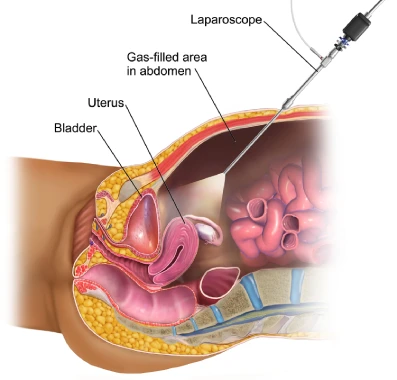
A laparoscopic hysterectomy is a surgical procedure in which the uterus is removed using a laparoscope, a thin instrument equipped with a camera and light source.
The surgeon makes small incisions in the abdomen to insert specialised surgical instruments. The camera provides a magnified view of the pelvic organs, allowing precise surgical movements.
Depending on the medical condition, the procedure may involve removing the uterus alone or the uterus along with the cervix, fallopian tubes, or ovaries.
After a hysterectomy, menstruation stops permanently, and pregnancy is no longer possible. However, hormonal function may continue if the ovaries are preserved.
When Is Laparoscopic Hysterectomy Recommended?
A hysterectomy may be considered when gynecological conditions cause persistent symptoms that cannot be adequately managed through less invasive treatments.
1. Uterine Fibroids
Fibroids are noncancerous growths that develop within or around the uterus. Large or symptomatic fibroids may cause heavy menstrual bleeding, pelvic pressure, and discomfort.
2. Adenomyosis
Adenomyosis occurs when tissue similar to the uterine lining grows into the muscular wall of the uterus, potentially causing painful periods and heavy bleeding.
3. Endometriosis
Endometriosis develops when tissue resembling the uterine lining grows outside the uterus. Hysterectomy may be considered in selected severe cases, although it does not guarantee complete relief from endometriosis-related symptoms.
4. Abnormal Uterine Bleeding
Persistent heavy or irregular bleeding that does not respond to medication or other treatments may require surgical management.
5. Gynecological Cancer or Precancerous Conditions
Certain uterine, cervical, or other gynecological cancers and precancerous conditions may require hysterectomy as part of treatment. The surgical approach depends on the diagnosis and disease stage.
Laparoscopic Hysterectomy in Mumbai: Step-by-Step Procedure
Understanding the surgical process helps patients prepare for treatment and recovery.
1. Preoperative Consultation
The gynecologist reviews the patient’s medical history, symptoms, examination findings, and previous treatments.
Investigations may include blood tests, pelvic ultrasound, cervical screening when indicated, and additional imaging or endometrial sampling.
2. Anaesthesia
Laparoscopic hysterectomy is generally performed under general anaesthesia, ensuring the patient remains asleep throughout surgery.
3. Small Abdominal Incisions
The surgeon creates several small incisions in the abdomen to introduce the laparoscope and surgical instruments.
Carbon dioxide gas is used to create working space within the abdominal cavity.
4. Removal of the Uterus
The surgeon carefully separates the uterus from its supporting tissues and blood vessels.
The uterus is usually removed through the vagina or, in selected cases, through an abdominal incision using an appropriate specimen-retrieval technique.
5. Completion and Monitoring
The surgeon checks for bleeding, closes the incisions, and transfers the patient to a recovery area for postoperative monitoring.
The operation commonly takes approximately one to three hours, although complex cases may require longer.
Benefits of Laparoscopic Hysterectomy
Laparoscopic hysterectomy in Mumbai may offer several advantages compared with traditional open abdominal hysterectomy in appropriately selected patients.
Smaller Incisions: Laparoscopic surgery requires smaller abdominal cuts, generally resulting in less visible scarring.
Reduced Postoperative Discomfort: Many patients experience less postoperative pain than after open surgery.
Shorter Hospital Stay: Eligible patients may be discharged within one or two days, depending on their recovery.
Faster Return to Daily Activities: Recovery is often quicker compared with traditional open abdominal surgery.
Improved Surgical Visualisation: Magnified camera views help surgeons identify pelvic structures during the procedure.
Lower Risk of Certain Wound Complications: Smaller incisions may reduce some wound-related complications.
However, the most appropriate surgical approach depends on the patient’s condition, previous surgeries, uterine size, and other clinical factors.
Recovery and Aftercare Following Surgery
Recovery after Laparoscopic hysterectomy in Mumbai varies depending on the extent of surgery and the patient’s overall health.
During the initial recovery period, patients may experience mild abdominal discomfort, fatigue, bloating, or light vaginal spotting.
Important Recovery Guidelines
- Take prescribed medications according to medical instructions.
- Begin gentle walking as advised to support circulation.
- Avoid heavy lifting and strenuous physical activities until medically cleared.
- Keep surgical wounds clean and dry.
- Maintain adequate hydration and a balanced diet.
- Avoid sexual intercourse and vaginal insertion until the surgeon confirms adequate healing.
- Attend scheduled postoperative follow-up appointments.
Many patients resume light activities within two to three weeks. More demanding activities may require four to six weeks or longer.
Seek urgent medical attention for heavy bleeding, fever, worsening abdominal pain, breathing difficulties, or unusual wound discharge.
Possible Risks and Complications
Although laparoscopic hysterectomy is an established procedure, it carries potential risks.
These include bleeding, infection, blood clots, anaesthesia-related complications, and injury to nearby structures such as the bladder, bowel, or ureters.
Occasionally, conversion to open surgery may be necessary for patient safety.
Patients should discuss surgical risks, fertility implications, and alternative treatments before providing informed consent.
About Dr. Maitreyee Parulekar – Gynecologist In Vile Parle, Mumbai
Dr. Maitreyee Parulekar is a gynecologist and gynecologic oncology specialist associated with Kirit Nursing Home in Vile Parle, Mumbai.
Her clinical work focuses on diagnosing and managing gynecological conditions, including complex pelvic disorders and gynecological cancers.
Qualifications and Clinical Experience
Dr. Maitreyee Parulekar has specialist training in obstetrics, gynecology, and gynecologic oncology, with clinical experience in managing both benign and cancer-related gynecological conditions.
Her professional expertise includes minimally invasive gynecological procedures, laparoscopic surgery, and surgical management of selected gynecological cancers.
Patients searching for a Top Gynae Oncologist In Mumbai may consult her for specialist assessment of complex gynecological concerns.
Areas of Expertise
Her clinical interests include:
- Laparoscopic and minimally invasive gynecological surgery.
- Hysterectomy for appropriate benign and malignant conditions.
- Evaluation and management of uterine fibroids.
- Endometriosis and complex pelvic conditions.
- Gynecological oncology consultations.
- Management of ovarian, uterine, and cervical disorders.
Her approach emphasises detailed diagnosis, personalised treatment planning, and patient education.
Kirit Nursing Home – Clinical Environment
Kirit Nursing Home provides a healthcare setting for gynecological consultations, clinical assessment, surgical treatment planning, and postoperative follow-up.
Patients undergoing gynecological treatment receive guidance regarding preoperative investigations, surgical preparation, expected recovery, and follow-up requirements.
For women considering Laparoscopic hysterectomy in Mumbai, Dr. Maitreyee Parulekar evaluates individual symptoms and medical findings before recommending an appropriate treatment strategy.
Who Is a Suitable Candidate for Laparoscopic Hysterectomy?
Laparoscopic hysterectomy may be suitable for women experiencing persistent gynecological symptoms when other treatments have not been effective or are inappropriate.
Suitability depends on factors such as uterine size, previous abdominal surgeries, underlying medical conditions, and the presence of complex pelvic disease.
Patients who wish to preserve fertility should discuss alternatives before considering hysterectomy.
A thorough consultation helps determine whether laparoscopic surgery, another surgical approach, or nonsurgical treatment is most appropriate.
Frequently Asked Questions (FAQs)
1. Is laparoscopic hysterectomy a major surgery?
Yes. Although performed through small incisions, laparoscopic hysterectomy is a major surgical procedure involving removal of the uterus. It requires anaesthesia, appropriate preparation, and postoperative recovery.
2. How long does recovery take after laparoscopic hysterectomy?
Many patients return to light daily activities within two to three weeks. Full recovery may take four to six weeks or longer, depending on individual healing and the extent of surgery.
3. Will periods stop after a laparoscopic hysterectomy?
Yes. Menstrual periods stop permanently after removal of the uterus. If the ovaries remain intact, they may continue producing hormones until natural menopause.
4. Can laparoscopic hysterectomy be performed for large fibroids?
Some patients with large fibroids may undergo laparoscopic hysterectomy. However, suitability depends on uterine size, anatomy, surgical complexity, and the surgeon’s assessment.
Book Your Consultation with Dr. Maitreyee Parulekar
Are you experiencing heavy menstrual bleeding, persistent pelvic pain, or symptoms related to uterine fibroids? Consult Dr. Maitreyee Parulekar for a detailed gynecological evaluation and personalised treatment recommendations.
Contact Details:
+91 72087 27500 | +91 97023 58222
info@drmaitreyeegynec.in
Get Directions to the Clinic – Kirit Nursing Home, Vile Parle