
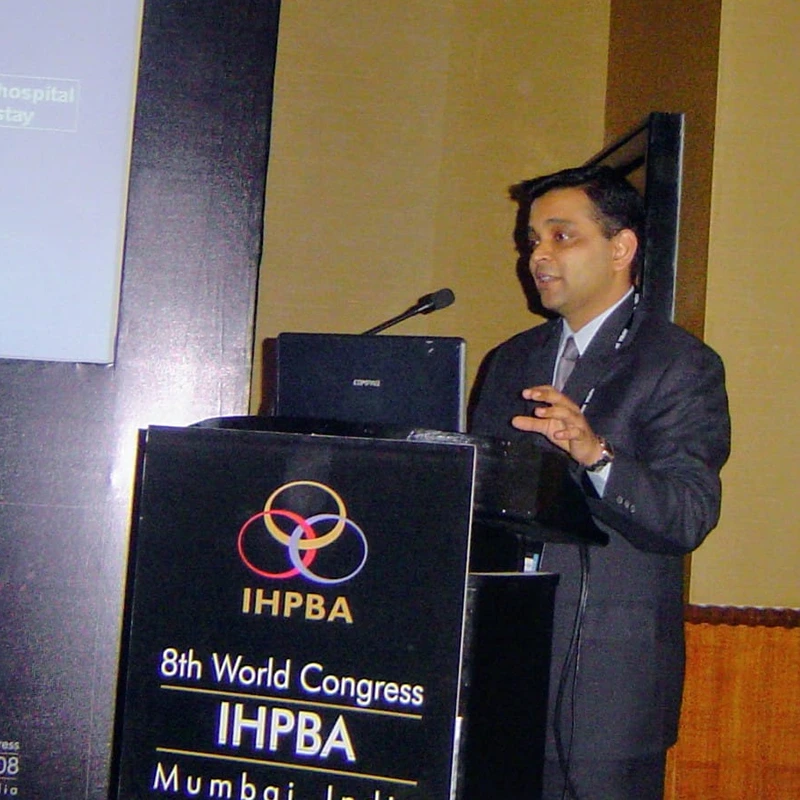
Cancer is a complex medical condition that requires timely diagnosis, accurate staging, and a carefully planned treatment approach. Different cancers affect different organs and tissues, making specialised medical evaluation essential for determining appropriate treatment options. Advances in cancer surgery, imaging, and multidisciplinary care have improved the ability to manage many types of cancer while focusing on patient safety and quality of life.
Consulting an experienced Oncologist Mumbai can help patients understand their diagnosis, explore available treatment options, and receive personalised medical guidance. Dr. Ganesh Nagarajan, a surgical oncologist associated with Cancer Surgery Clinic, provides specialised evaluation and surgical management for patients with various cancers, including gastrointestinal and hepatopancreatobiliary malignancies.
What Is an Oncologist?
An oncologist is a medical specialist who diagnoses, treats, and manages cancer. Cancer treatment often requires collaboration among specialists from different medical disciplines.
The three major oncology specialties include:
Medical Oncology: Focuses on cancer treatment using chemotherapy, immunotherapy, targeted therapies, and other systemic medications.
Surgical Oncology: Involves surgical removal of cancerous tumours and, when necessary, surrounding tissues or lymph nodes.
Radiation Oncology: Uses carefully planned radiation therapy to destroy cancer cells or control tumour growth.
A surgical oncologist evaluates whether surgery is appropriate based on cancer type, stage, location, and the patient’s overall health.
When Should You Consult an Oncologist?
Cancer symptoms vary depending on the affected organ. Some cancers develop without noticeable symptoms during their early stages.
Medical evaluation may be necessary when patients experience:
- Unexplained or persistent weight loss.
- Unusual lumps or swelling.
- Persistent abdominal pain or bloating.
- Blood in the stool or unexplained bleeding.
- Difficulty swallowing or changes in appetite.
- Persistent changes in bowel habits.
- Unexplained fatigue or weakness.
- Yellowing of the skin or eyes.
These symptoms do not always indicate cancer, but persistent or unexplained changes should be assessed by a qualified healthcare professional.
Oncologist Mumbai: Understanding Cancer Diagnosis and Treatment
Effective cancer treatment begins with identifying the type, location, and extent of the disease.
1. Initial Medical Consultation
The oncologist reviews the patient’s symptoms, medical history, family history, and previous investigations.
A physical examination helps identify findings that may require further assessment.
2. Diagnostic Investigations
Depending on the suspected cancer, investigations may include blood tests, ultrasound, CT scans, MRI, endoscopy, or PET-CT imaging.
A biopsy is commonly required to confirm the diagnosis and identify the cancer type.
3. Cancer Staging
Staging determines the extent of cancer and whether it has spread to nearby lymph nodes or other organs.
Accurate staging helps specialists select appropriate treatment strategies.
4. Multidisciplinary Treatment Planning
Cancer care may involve surgical oncologists, medical oncologists, radiation oncologists, radiologists, pathologists, and other specialists.
The treatment plan depends on the diagnosis, stage, patient preferences, and overall medical condition.
Types of Cancer Managed by Surgical Oncologists
Surgical oncology covers several cancer types that may require specialised operations.
Gastrointestinal Cancer
Gastrointestinal cancers affect organs involved in digestion, including the stomach, colon, rectum, and oesophagus.
Surgical treatment may involve removing the affected portion of the organ and nearby lymph nodes.
Liver Cancer
Liver cancer may require surgery in selected patients, depending on tumour location, liver function, and disease stage.
Some patients may benefit from partial liver removal, while others require alternative treatments.
Pancreatic Cancer
Pancreatic cancer treatment depends on tumour location and whether the disease can be surgically removed.
Complex procedures such as pancreaticoduodenectomy may be considered for suitable patients.
Gallbladder and Bile Duct Cancer
These cancers may require specialised hepatopancreatobiliary surgery when complete tumour removal is possible.
Colorectal Cancer
Colon and rectal cancers may be treated through surgery, sometimes combined with chemotherapy or radiation therapy depending on disease stage.
Advanced Surgical Approaches for Cancer Treatment
Patients consulting an Oncologist Mumbai may be evaluated for different surgical techniques depending on their condition.
Open Cancer Surgery
Open surgery involves making an incision to access and remove the affected tumour.
It remains important for complex cancers requiring extensive surgical reconstruction or removal.
Laparoscopic Cancer Surgery
Laparoscopic procedures use small incisions and specialised instruments to perform selected cancer operations.
Potential benefits include reduced postoperative discomfort and shorter hospital stays for suitable patients.
Robotic-Assisted Cancer Surgery
Robotic-assisted surgery uses surgeon-controlled instruments and enhanced visualisation to perform certain complex procedures.
Not every patient is suitable for minimally invasive surgery. The chosen approach must prioritise safe and effective cancer treatment.
Benefits of Consulting an Experienced Surgical Oncologist
Cancer surgery requires careful planning, specialised knowledge, and appropriate postoperative management.
An experienced surgical oncologist can provide:
- Detailed evaluation of the cancer diagnosis and stage.
- Assessment of whether surgery is appropriate.
- Individualised surgical treatment recommendations.
- Coordination with medical and radiation oncology specialists.
- Guidance regarding possible complications and recovery.
- Long-term follow-up and surveillance planning.
The objective is to select treatment that offers appropriate cancer control while considering the patient’s overall health and quality of life.
About Dr. Ganesh Nagarajan – Cancer Surgery Clinic in Mumbai
Dr. Ganesh Nagarajan is a surgical oncologist with extensive experience in cancer surgery, particularly gastrointestinal and hepatopancreatobiliary oncology.
His clinical practice focuses on evaluating complex cancers and providing specialised surgical treatment based on individual patient requirements.
Qualifications and Clinical Experience
Dr. Ganesh Nagarajan completed his medical education and postgraduate surgical training before pursuing advanced specialisation in surgical oncology.
His professional training includes experience in complex gastrointestinal, liver, pancreatic, and biliary cancer surgery.
He has worked in specialist cancer-care settings and has experience managing challenging oncological cases requiring multidisciplinary coordination.
Patients searching for a Top Surgical Oncologist in Mumbai may consult Dr. Ganesh Nagarajan for an assessment of cancers involving the digestive system and associated organs.
Areas of Clinical Expertise
Dr. Ganesh Nagarajan’s areas of expertise include:
- Gastrointestinal cancer surgery.
- Liver tumour and liver cancer surgery.
- Pancreatic cancer surgery.
- Gallbladder and bile duct cancer management.
- Colorectal cancer surgery.
- Complex abdominal tumour surgery.
- Minimally invasive surgical oncology in selected cases.
His approach focuses on accurate diagnosis, surgical planning, and coordinated cancer care.
Cancer Surgery Clinic Environment
Cancer Surgery Clinic provides a setting for oncology consultations, review of diagnostic reports, treatment planning, and follow-up care.
Patients receive guidance regarding their diagnosis, available surgical options, potential risks, and expected recovery.
When required, cancer treatment is coordinated with appropriate hospital facilities and other oncology specialists.
For patients searching for an Oncologist Mumbai, Dr. Ganesh Nagarajan provides consultations focused on evidence-based surgical cancer management and personalised treatment decisions.
Recovery and Follow-Up After Cancer Surgery
Recovery following cancer surgery depends on the type of operation, the affected organ, and the patient’s overall health.
Patients may require postoperative monitoring, pain management, nutritional support, and gradual mobilisation.
Important recovery recommendations include following medication instructions, maintaining appropriate nutrition, attending scheduled appointments, and reporting unusual symptoms promptly.
Some patients may require additional treatments such as chemotherapy or radiation therapy after surgery.
Regular follow-up is important for monitoring recovery, identifying complications, and checking for possible cancer recurrence.
Frequently Asked Questions (FAQs)
1. What is the difference between a surgical oncologist and a medical oncologist?
A surgical oncologist specialises in cancer-related operations, while a medical oncologist focuses on treatments such as chemotherapy, immunotherapy, and targeted therapy. Both may work together in multidisciplinary cancer care.
2. Can all cancers be treated with surgery?
No. Surgery is appropriate for certain cancers depending on their type, location, stage, and the patient’s overall health. Some cancers require medication, radiation, or combined treatments instead.
3. How is the cost of cancer surgery determined?
Cancer surgery costs depend on the type and complexity of the procedure, hospital facilities, diagnostic investigations, hospital stay, and postoperative requirements. An individualised estimate is generally provided after medical evaluation.
4. How long does recovery take after cancer surgery?
Recovery varies considerably. Some minimally invasive procedures allow earlier discharge, while major abdominal cancer operations may require several weeks or months of recovery.
Book Your Consultation with Dr. Ganesh Nagarajan
Are you looking for specialist guidance regarding a cancer diagnosis, surgical treatment, or a second opinion? Consult Dr. Ganesh Nagarajan for an individualised cancer evaluation and treatment discussion.
Contact Details:
+91 73046 63828 / +91 7700058024
hello@cancersurgeryclinic.com
Get Directions to the Clinic- Cancer Surgery Clinic