
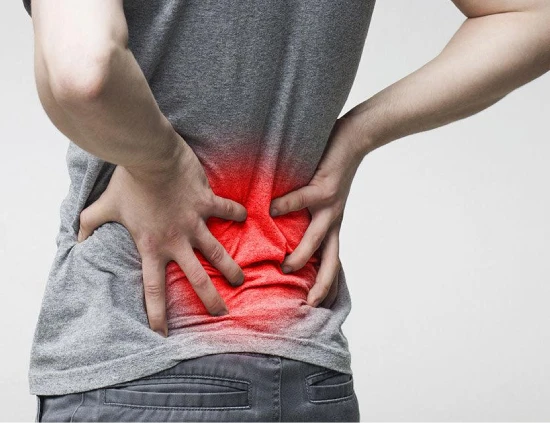
Lower back pain is a common health concern among women, affecting daily activities, mobility, sleep, and overall quality of life. It may develop due to poor posture, muscle strain, hormonal changes, pregnancy, spinal conditions, or underlying gynaecological problems. Although occasional discomfort often improves with rest and appropriate care, persistent or worsening symptoms may require medical evaluation. Pain in lower back in Females can have several causes, making accurate diagnosis essential for selecting suitable treatment. At Synapse Spine, a team of orthopaedic spine surgeons and neurosurgeons provides assessments and treatment options for women experiencing lower back discomfort.
Understanding Lower Back Pain in Women
Lower back pain refers to discomfort in the lumbar region, located between the lower ribs and pelvis. The pain may remain localised or spread towards the buttocks, hips, or legs.
Women may experience lower back discomfort at different life stages because of hormonal fluctuations, pregnancy-related physical changes, musculoskeletal conditions, or degenerative spinal disorders.
Common symptoms include:
- Persistent aching or stiffness in the lower back.
- Sharp pain during bending, lifting, or prolonged sitting.
- Discomfort extending into the hips or legs.
- Muscle tightness and restricted spinal movement.
- Tingling, numbness, or weakness when nerves are affected.
Understanding the nature, duration, and location of symptoms helps clinicians identify possible underlying causes.
Common Causes of Pain in Lower Back in Females
Several musculoskeletal, reproductive, and medical conditions may contribute to lower back discomfort.
1. Muscle Strain and Poor Posture
Prolonged sitting, repetitive bending, improper lifting techniques, and weak core muscles may place excessive strain on the lumbar region.
2. Menstrual and Hormonal Changes
Some women experience lower back discomfort during menstruation because of uterine contractions and referred pain. Hormonal changes may also influence pain sensitivity.
3. Pregnancy-Related Back Pain
Pregnancy changes body weight distribution, posture, and ligament flexibility. These adjustments can increase strain on the lower back and pelvic joints.
4. Herniated or Slipped Disc
A spinal disc may bulge or herniate, occasionally irritating nearby nerve roots. This can cause lower back pain accompanied by leg pain, tingling, or numbness.
5. Osteoporosis and Spinal Degeneration
Postmenopausal bone loss can increase the risk of vertebral compression fractures. Age-related spinal degeneration may also contribute to discomfort.
6. Gynaecological and Urinary Conditions
Endometriosis, uterine fibroids, pelvic inflammatory disease, and urinary tract infections may sometimes cause pain perceived in the lower back.
Because these conditions require different treatments, identifying the underlying cause is important.
When Should Women Consult a Spine Specialist?
Occasional lower back discomfort may improve with activity modification and conservative care. However, persistent symptoms should not be ignored.
Women experiencing Pain in lower back in Females should consider medical evaluation when discomfort continues for several weeks, repeatedly returns, or interferes with daily activities.
Urgent assessment is particularly important when back pain occurs with progressive leg weakness, fever, unexplained weight loss, or a history of significant injury.
New bladder or bowel control problems, urinary retention, or numbness around the groin or saddle area require emergency medical attention because they may indicate serious nerve compression.
Synapse Spine advises specialist assessment for worsening pain, neurological symptoms, fever, trauma, or symptoms that do not respond to treatment.
Diagnosis and Evaluation at Synapse Spine
A detailed assessment helps distinguish spinal problems from other potential causes of lower back pain.
The diagnostic process may involve:
- Medical history: Reviewing symptom duration, physical activities, menstrual or pregnancy history, and existing medical conditions.
- Physical examination: Assessing posture, spinal mobility, muscle strength, reflexes, and nerve function.
- Imaging investigations: X-rays or MRI scans may be recommended when clinically indicated.
- Additional investigations: Blood tests, urine tests, or gynaecological assessment may be appropriate if symptoms suggest non-spinal causes.
Not every patient requires imaging. Investigations are selected according to symptoms, examination findings, and suspected underlying conditions.
Treatment Options for Lower Back Pain in Women
Treatment for Pain in lower back in Females depends on the diagnosis, symptom severity, and overall health.
Physiotherapy and Exercise
Physiotherapy may include stretching, strengthening, posture correction, and exercises designed to improve spinal stability.
Medication
Doctors may recommend appropriate pain-relieving or anti-inflammatory medicines for selected patients, considering pregnancy status and other medical conditions.
Lifestyle Modifications
Maintaining a healthy weight, using ergonomic seating, avoiding prolonged inactivity, and practising safe lifting techniques may reduce mechanical strain.
Pain Management Procedures
For selected spinal conditions, targeted injections or other interventions may be considered when conservative treatment is insufficient.
Surgical Treatment
Surgery is generally reserved for specific conditions involving significant nerve compression, spinal instability, or persistent disabling symptoms despite appropriate non-surgical care.
Synapse Spine emphasises non-operative treatment for many spinal problems, with surgery considered when clinically necessary.
Academic Qualifications and Clinical Experience of Synapse Spine Surgeons
Synapse Spine has a multidisciplinary team of orthopaedic spine surgeons, neurosurgeons, and pain management specialists trained in India and internationally.
Dr. Nandan Marathe – Orthopaedic Spine Surgeon
Dr. Nandan Marathe completed his MBBS and MS in Orthopaedics at Seth G.S. Medical College and KEM Hospital, Mumbai, earning a gold medal in postgraduate orthopaedics. His additional training includes a complex spine surgery fellowship at the University of Toronto and specialised training in minimally invasive spine surgery.
Dr. Aditya Raj – Orthopaedic Spine Surgeon
Dr. Aditya Raj completed orthopaedic training at KEM Hospital, Mumbai, and pursued advanced spine surgery fellowships at the University of Toronto and Stavya Spine Hospital, Ahmedabad. His clinical interests include spinal deformities, tumours, infections, and minimally invasive procedures.
Dr. Anuj Bhide – Brain and Spine Surgeon
Dr. Anuj Bhide holds MBBS, MS in General Surgery, and MCh in Neurosurgery qualifications. He has over nine years of experience as a consultant brain and spine surgeon and has received advanced training in Japan.
Dr. Medha Vyas – Neurosurgeon
Dr. Medha Vyas completed her MBBS at Topiwala National Medical College, Mumbai, and pursued neurosurgical training at Sir Ganga Ram Hospital, New Delhi. Her professional interests include neurosurgery and minimally invasive surgical techniques.
Patients looking for a Spine specialist Doctor in Mumbai can consult Synapse Spine’s multidisciplinary team for assessment of spinal conditions and discussion of treatment options.
Clinic Environment and Expertise at Synapse Spine
Synapse Spine provides specialised consultations across multiple locations in Mumbai and surrounding areas, including Andheri, Bandra, Borivali, Vile Parle, Goregaon, and Mira Road.
Its clinical services focus on spinal diagnosis, physiotherapy, non-surgical management, pain interventions, and surgical evaluation when indicated.
The team includes specialists from orthopaedic and neurosurgical backgrounds, allowing patients with complex spinal conditions to receive multidisciplinary assessment.
Individuals searching for a Top Spine Specialist in Mumbai, India can explore the clinic’s approach to personalized diagnosis, conservative treatment, and advanced spine care.
Benefits and Risks of Lower Back Pain Treatment
Appropriate treatment may improve mobility, reduce discomfort, support muscle strength, and help patients return to everyday activities.
However, treatment risks vary. Medicines can cause side effects, injections may involve infection or bleeding risks, and spinal surgery carries potential complications such as nerve injury, infection, or persistent symptoms.
The treating specialist should explain the expected benefits, limitations, and alternatives before any intervention.
Approximate Cost of Lower Back Pain Treatment in Mumbai
Treatment costs vary depending on consultation requirements, diagnostic investigations, physiotherapy sessions, medication, and whether advanced procedures are necessary.
As broad illustrative estimates, physiotherapy may cost approximately ₹500–₹2,000 per session, while lumbar MRI investigations may cost around ₹3,000–₹10,000. Surgical treatment can cost substantially more depending on the procedure and hospital.
These are general market estimates, not verified Synapse Spine prices. Patients should request a personalised quotation after evaluation.
Precautions and Lifestyle Advice for Women
Women experiencing Pain in lower back in Females may benefit from adopting spine-supportive daily habits.
Maintaining comfortable posture, taking regular movement breaks, practising appropriate strengthening exercises, and avoiding heavy lifting during painful episodes may help.
Pregnant women should seek medical advice before starting exercises or taking pain medication. Postmenopausal women may also benefit from bone-health assessments when osteoporosis risk factors are present.
Prolonged bed rest is generally discouraged for uncomplicated mechanical back pain. Gradual, comfortable movement is often preferable.
Frequently Asked Questions (FAQs)
1. What is the most common cause of lower back pain in women?
Muscle strain and mechanical back pain are common causes. However, menstruation, pregnancy, disc disorders, and gynaecological conditions can also contribute.
2. Can hormonal changes cause lower back pain?
Yes. Menstrual changes, pregnancy, and menopause may influence lower back discomfort through different hormonal, musculoskeletal, or bone-related mechanisms.
3. Can lower back pain be treated without surgery?
Yes. Many cases improve with physiotherapy, exercise, lifestyle adjustments, and appropriate medication. Surgery is reserved for selected conditions.
4. When should a woman seek medical attention for lower back pain?
Medical evaluation is recommended for persistent or worsening pain. Sudden bladder or bowel dysfunction, saddle numbness, or progressive leg weakness requires emergency assessment.
Book a Spine Consultation at Synapse Spine
If you experience persistent lower back pain, leg discomfort, stiffness, or restricted movement, contact Synapse Spine to arrange a consultation and discuss suitable diagnostic and treatment options.
+91 81698 45056 | +91 93726 71858 | +91 93211 24611
synapsespine@gmail.com
Get Directions to the Clinic – Synapse Spine, Mumbai