
Healthy hearing plays an important role in communication, work, and everyday life. However, a perforated or damaged eardrum can lead to hearing difficulties, recurring ear infections, and persistent ear discharge. When the damage does not heal naturally, surgical repair may be recommended to protect the ear and improve hearing.
For patients considering tympanoplasty in mumbai, Dr. Shama Kovale at Kokilaben Dhirubhai Ambani Hospital offers specialist ENT evaluation and surgical care for ear-related conditions. With extensive experience in ENT surgery and advanced medical training, she helps patients understand their diagnosis, explore treatment options, and make informed decisions about their ear health.
What Is Tympanoplasty?
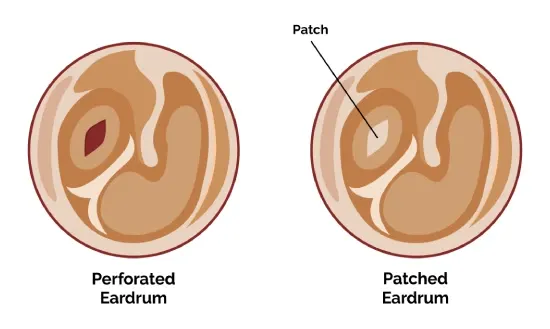
Tympanoplasty is a surgical procedure performed to repair a perforated eardrum, also known as the tympanic membrane. The eardrum is a thin tissue that vibrates in response to sound waves and helps transmit sound to the middle ear.
A hole in the eardrum may develop because of chronic ear infections, injury, sudden pressure changes, or previous ear surgery. Depending on the size and location of the perforation, the damage may cause hearing loss, repeated infections, or fluid discharge from the ear.
During tympanoplasty, the surgeon typically uses a graft made from the patient’s own tissue to close the perforation. The aim is to help the eardrum heal, improve its ability to transmit sound, and reduce the risk of recurring infections.
Not every perforated eardrum requires surgery. Some small perforations heal naturally, while others may need specialist assessment and surgical treatment.
When Is Tympanoplasty Recommended?
An ENT specialist may recommend tympanoplasty when an eardrum perforation persists or causes ongoing problems.
Common reasons for considering the procedure include:
- Persistent eardrum perforation: A hole that does not heal naturally may require surgical repair.
- Recurrent ear infections: An opening in the eardrum can allow water and bacteria to enter the middle ear, increasing the risk of infection.
- Hearing difficulties: Damage to the eardrum may interfere with sound transmission and affect hearing.
- Repeated ear discharge: Persistent discharge may indicate an underlying ear condition that needs medical attention.
- Previous ear injury: Trauma can damage the eardrum and sometimes require reconstruction.
An ENT specialist will examine the ear, assess hearing, and consider the patient’s medical history before recommending surgery. Active infection and other conditions may need to be managed before the procedure.
How Is Tympanoplasty Performed?
Tympanoplasty is usually performed under general anaesthesia, although the exact approach depends on the patient’s condition and the surgeon’s assessment.
The procedure generally involves the following steps:
1. Preoperative evaluation: The doctor examines the ear and may recommend hearing tests to understand the extent of hearing loss and identify any middle-ear problems.
2. Anaesthesia: Appropriate anaesthesia is administered to help ensure the patient’s comfort during surgery.
3. Eardrum repair: The surgeon places a suitable tissue graft over or beneath the perforation to support healing and close the opening.
4. Protection during healing: The ear may be packed with special material to support the graft while the repaired eardrum heals.
The operation commonly takes around one to two hours, depending on its complexity. Some patients may be discharged on the same day, while others may need hospital observation. The treating team will provide instructions according to the patient’s individual circumstances.
Recovery After Tympanoplasty
Following surgery, the ear needs time to heal. Patients may initially experience mild discomfort, a feeling of fullness, or temporary changes in hearing. These symptoms should be discussed with the treating doctor if they worsen or cause concern.
Important recovery precautions include:
- Keep the operated ear dry and follow the doctor’s bathing instructions.
- Avoid swimming until the surgeon confirms it is safe.
- Do not insert cotton buds or other objects into the ear.
- Avoid forceful nose blowing and follow advice about sneezing.
- Take prescribed medicines as directed.
- Attend follow-up appointments so the doctor can assess healing.
- Avoid flying until the treating surgeon confirms that it is appropriate.
Hearing improvement is not always immediate. It may take several weeks for the ear to heal and the hearing results to become clearer. Recovery varies depending on the size of the perforation, the condition of the middle ear, and individual healing.
Benefits of Tympanoplasty
When appropriately recommended, tympanoplasty can offer several benefits.
Eardrum repair: The procedure aims to close the perforation and restore the integrity of the eardrum.
Potential hearing improvement: Repairing the eardrum may improve sound transmission, although the degree of improvement depends on the condition of the middle ear and inner ear.
Reduced risk of recurring infections: Closing the perforation can help reduce the entry of water and bacteria into the middle ear.
Improved everyday comfort: Successful treatment may reduce persistent discharge and the inconvenience associated with a perforated eardrum.
As with any operation, tympanoplasty carries potential risks, including infection, graft failure, persistent perforation, dizziness, or changes in hearing. Your surgeon will explain the possible benefits and risks before treatment.
Why Choose Dr. Shama Kovale for Ear Surgery?
Dr. Shama Kovale is an experienced ENT specialist practising at Kokilaben Dhirubhai Ambani Hospital and Medical Research Institute in Andheri West, Mumbai.
She completed her MBBS, Diploma in Otorhinolaryngology (DLO), and MS in ENT at B.Y.L. Nair Hospital and Topiwala National Medical College, Mumbai. Her additional training includes advanced education in voice and swallowing disorders at the University of California, Davis, and fellowship training in laryngology and cochlear implant surgery.
Her clinical and surgical experience spans a broad range of ENT conditions, including ear disorders, voice and swallowing problems, airway conditions, and endoscopic ENT procedures. Her professional profile highlights more than 20 years of clinical experience and a patient-focused approach to evidence-based care.
At Kokilaben Dhirubhai Ambani Hospital, patients can access specialist consultations and hospital-based evaluation for ENT conditions. The hospital environment supports coordinated assessment, diagnostic investigations, surgical planning, and follow-up care as appropriate to the patient’s needs.
Patients looking for the Best ENT in Mumbai can consult Dr. Kovale to discuss persistent ear symptoms, hearing difficulties, or a possible eardrum perforation. Those searching online for ENT Specialists Near Me in Mumbai should consider the specialist’s experience, available facilities, and the suitability of the recommended treatment.
When Should You See an ENT Specialist?
Consider arranging an ENT consultation if you experience persistent ear discharge, reduced hearing, recurring ear infections, or a suspected eardrum injury. Early assessment can help identify the cause and determine whether observation, medical treatment, or surgery is appropriate.
Seek prompt medical attention after a significant ear injury or if you develop sudden hearing loss, severe dizziness, or intense ear pain.
If you are exploring tympanoplasty in mumbai, Dr. Shama Kovale can assess your ear condition and explain whether surgical repair may be suitable. An individual examination is essential because treatment decisions depend on the extent of damage and the overall health of the ear.
Schedule Your Consultation Today
Consult Dr. Shama Kovale at Kokilaben Dhirubhai Ambani Hospital for timely evaluation and expert hearing care.
Give Us a Ring: +91-91528 50769
Email: drshamakovaleent@gmail.com
Discuss your symptoms, understand your treatment options, and take an informed step towards better ear health.
Frequently Asked Questions
1. What is the main purpose of tympanoplasty?
Tympanoplasty is performed to repair a perforated eardrum. It aims to support healing, reduce the risk of recurring ear infections, and potentially improve hearing, depending on the condition of the middle and inner ear.
2. How long does recovery after tympanoplasty take?
Initial recovery may take a few weeks, while complete healing and hearing improvement can take longer. Follow your surgeon’s instructions regarding ear protection, swimming, flying, physical activity, and follow-up appointments.
3. Is tympanoplasty suitable for every perforated eardrum?
No. Some small perforations heal naturally and may only require monitoring. Surgery may be considered for persistent perforations, recurring infections, or hearing difficulties. An ENT specialist must evaluate the ear before recommending treatment.
4. How can I consult Dr. Shama Kovale in Mumbai?
You can contact Dr. Shama Kovale at Kokilaben Dhirubhai Ambani Hospital by calling +91-91528 50769 or emailing drshamakovaleent@gmail.com to enquire about an appointment.