
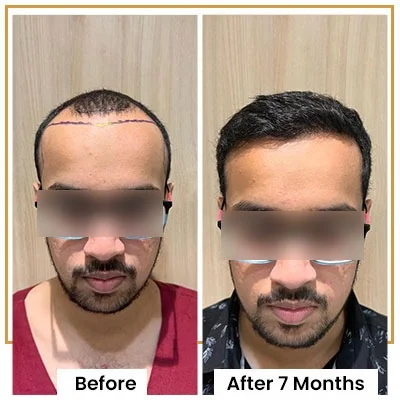
Hair thinning, a receding hairline, and visible bald patches can affect both appearance and confidence. For people who want fuller-looking hair with a natural finish, a hair transplant may be an option worth exploring. A high-density transplant focuses not only on covering areas of hair loss but also on carefully planning the placement, direction, and distribution of hair follicles to create a balanced result.
At Viva Aesthetic Clinic, Dr. Deepam Shah offers personalised hair restoration assessments and advanced transplant techniques. If you are considering a high density hair transplant in mumbai, understanding the procedure, suitability, recovery, and realistic outcomes can help you make an informed decision.
What Is a High-Density Hair Transplant?
A high-density hair transplant is a procedure designed to restore a fuller appearance by placing hair grafts strategically in areas affected by thinning or baldness. A graft, also called a follicular unit, typically contains one or more hair follicles. The number of grafts required depends on the size of the treatment area, existing hair, donor hair availability, and the density that can be achieved safely.
Unlike older techniques that sometimes produced an unnatural, plug-like appearance, modern hair restoration focuses on natural hairline design and careful placement. The aim is to create a result that complements the patient’s facial features and blends with their existing hair.
However, maximum density is not the same for everyone. The scalp needs an adequate blood supply to support transplanted follicles, and placing too many grafts in a small area may compromise graft survival. An experienced surgeon must balance the desired fullness with the health of the scalp and the availability of donor hair.
How Does the Procedure Work?
A hair transplant generally involves moving healthy hair follicles from a donor area—usually the back or sides of the scalp—to regions affected by hair loss. At Viva Aesthetic Clinic, the appropriate technique and treatment plan are determined following an individual assessment.
1. Consultation and Scalp Assessment
The process begins with an examination of the scalp and a discussion of your concerns. The doctor evaluates the pattern and extent of hair loss, the quality of the donor area, existing hair density, medical history, and expectations. This assessment helps determine whether transplantation is appropriate and how many grafts may be needed.
2. Hairline and Density Planning
A natural-looking outcome depends on more than the number of grafts. Hairline shape, facial proportions, hair characteristics, age, and the possibility of future hair loss all matter. A personalised plan helps distribute grafts appropriately instead of concentrating them in a way that may look unnatural.
3. Follicular Unit Extraction (FUE)
Follicular Unit Extraction, or FUE, involves extracting individual follicular units from the donor area using specialised instruments. These grafts are then prepared and placed into the recipient area. FUE can minimise linear scarring compared with strip-based harvesting, although small extraction marks may remain and healing varies from person to person.
4. Careful Graft Placement
For high-density transplantation, grafts must be placed at appropriate angles, directions, and depths. Techniques such as dense packing and precise micro-slit creation may be used when clinically suitable. The goal is to support a natural pattern while protecting existing hair and preserving the blood supply required for healing.
Who May Be Suitable for High-Density Hair Restoration?
High-density transplantation may be considered for adults experiencing pattern hair loss who have a suitable donor area and realistic expectations. It may be an option for people who want to improve the appearance of a receding hairline, increase fullness in selected areas, or address more extensive thinning.
However, the procedure is not suitable for everyone. Patients with insufficient donor hair, certain scalp conditions, uncontrolled medical issues, or ongoing hair loss that has not been assessed may need alternative or additional treatment. Younger patients should receive careful counselling about future hair loss and long-term planning.
A consultation with a qualified hair transplant surgeon helps determine whether surgery is appropriate or whether medical treatment should be considered first.
Benefits of a Carefully Planned High-Density Hair Transplant
When a patient is a suitable candidate, a well-planned transplant may offer several benefits:
- Improved coverage: Grafts can be distributed to address selected thinning or bald areas.
- Natural-looking hairline: Hair direction and placement can be planned to complement facial features.
- Personalised density: The treatment plan takes account of donor availability and the characteristics of the scalp.
- Long-term hair restoration: Transplanted follicles may continue to grow over time, although surrounding non-transplanted hair can continue to thin.
- Greater styling flexibility: Once the transplanted hair has grown sufficiently, patients may be able to style it according to their preferences.
Results vary according to individual factors, surgical technique, healing, and ongoing hair loss. A consultation should include a discussion of likely outcomes, limitations, risks, and aftercare.
Why Choose Dr. Deepam Shah at Viva Aesthetic Clinic?
Choosing a hair transplant provider involves assessing qualifications, experience, surgical planning, safety practices, and follow-up care—not just the promised density.
Dr. Deepam Shah is a dermatologist, cosmetologist, and hair transplant surgeon practising in South Mumbai. According to his clinic profile, he completed his MBBS at the University of Bombay in 2010, followed by DNB in Dermatology and Venereology from the University of Delhi in 2014. He also completed a Fellowship in Aesthetic Medicine and Hair Transplant at the Institute of Laser and Aesthetic Medicine (ILAMED) in 2014. His listed recognitions include a Silver Medal in the MUHS Examination and Best Post Graduate Student recognition from the Galderma Institute.
With over a decade of experience in skin and hair treatments, Dr. Shah focuses on individual assessment and treatment planning. The clinic profile reports more than 2,500 hair transplant cases. Patients should discuss the surgeon’s experience with their specific pattern of hair loss, expected results, and the details of the proposed procedure during consultation.
Viva Aesthetic Clinic describes its facility as a 1,000-square-foot clinic equipped with advanced lasers and medical devices. The clinic provides skin, hair, and aesthetic services in a professional setting. A consultation gives patients an opportunity to ask about the procedure, hygiene protocols, recovery support, and follow-up arrangements.
People searching for a Dermatologist in Mumbai for hair restoration should consider qualifications and experience in addition to the clinic’s technology and treatment options. Viva Aesthetic Clinic also offers services under its broader identity as a Dermatologist and Skin Specialist in Mumbai.
Recovery and When to Expect Results
After a hair transplant, patients may experience temporary redness, swelling, tenderness, or scabbing. The clinic will provide instructions on washing the scalp, sleeping position, activity restrictions, and follow-up appointments. Following these instructions is important for healing and protecting the grafts.
Transplanted hairs commonly shed during the early weeks after surgery, which can be an expected part of the process. New growth may begin after a few months, while visible improvement develops gradually. Final results often take around 9–12 months or longer, depending on the individual and the treatment area.
It is important to attend follow-up visits and discuss ongoing hair loss. A transplant does not prevent untreated, non-transplanted hair from thinning, so the doctor may recommend a long-term hair management plan where appropriate.
Book a Consultation at Viva Aesthetic Clinic
If you are considering hair restoration, start with a professional assessment rather than choosing a graft count based on online estimates. Dr. Deepam Shah can evaluate your scalp, discuss suitable techniques, and explain the likely benefits, limitations, risks, and costs based on your individual needs.
📞 93245 89084 | ☎️ 022 3573 1556
📧 clinicvivacosmetic@gmail.com
📍 Visit: Viva Aesthetic Clinic, Opera House or Colaba, Mumbai
Take the first step towards understanding your hair restoration options with a personalised consultation.
Frequently Asked Questions
1. How many grafts are needed for a high-density hair transplant?
The number varies according to the extent of hair loss, the desired coverage, existing hair density, and donor-area strength. The surgeon must assess your scalp before estimating the number of grafts required.
2. Can everyone achieve high-density hair transplant results?
No. Results depend on donor hair availability, scalp health, hair characteristics, and the size of the treatment area. A surgeon should recommend a density that can be achieved safely for your individual situation.
3. Is a high-density hair transplant painful?
The procedure is generally performed using local anaesthesia, which helps manage discomfort during surgery. Some soreness, swelling, or tenderness may occur afterward. Your doctor can explain the expected recovery and pain-management instructions.
4. When will I see the final results?
Early hair growth may become noticeable after a few months, but results develop gradually. Many patients see substantial improvement around 9–12 months, although the timeline varies. Follow your surgeon’s aftercare advice and attend scheduled reviews.