
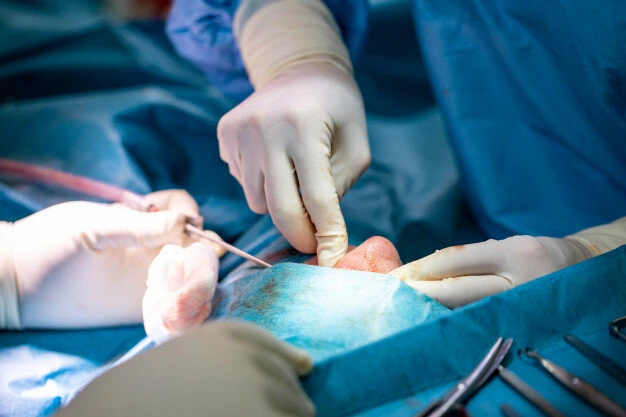
The shape and proportion of the nose can influence overall facial balance. Some people consider nose surgery to address a prominent nasal hump, a broad nasal tip, asymmetry, or changes following an injury. Others explore surgery to address certain structural concerns that may affect breathing. Rhinoplasty, commonly known as a nose job, is a surgical procedure that reshapes the nose according to a patient’s anatomy, goals, and medical needs.
Choosing a qualified rhinoplasty surgeon in mumbai is an important step for anyone considering this procedure. Dr. Siddharth Prakash, a board-certified plastic surgeon at Ambrosia Aesthetics, has specialised training in aesthetic and facial plastic surgery, including advanced rhinoplasty training. His approach emphasises understanding the patient’s concerns, explaining realistic outcomes, and developing an individualised surgical plan.
What Is Rhinoplasty?
Rhinoplasty is a surgical procedure that changes the shape, size, or proportions of the nose. Depending on the patient’s needs, surgery may involve modifying the nasal bridge, refining the tip, adjusting the nostrils, or correcting asymmetry.
Rhinoplasty may be considered for several reasons, including:
- A prominent hump on the nasal bridge.
- A broad, rounded, or drooping nasal tip.
- Nasal asymmetry or disproportion with other facial features.
- Changes caused by an injury.
- Selected structural problems that may contribute to breathing difficulties.
Cosmetic rhinoplasty focuses primarily on appearance, while functional nasal surgery addresses structural concerns affecting airflow. Some patients may require a combination of cosmetic and functional procedures. A specialist assessment is necessary to determine the appropriate approach.
The goal is not to create an identical nose for every patient. Instead, the surgical plan should consider facial proportions, skin thickness, cartilage strength, existing nasal structure, and the patient’s expectations.
Types of Rhinoplasty Procedures
The technique selected depends on the patient’s anatomy and the changes required.
1. Closed Rhinoplasty
In closed rhinoplasty, surgical incisions are placed inside the nostrils. The surgeon works through these incisions to reshape the nasal structures. This approach avoids an external incision across the columella, the strip of tissue between the nostrils.
Closed rhinoplasty may be suitable for selected patients whose surgical requirements can be addressed through this technique. Its suitability depends on the complexity of the procedure and the surgeon’s assessment.
2. Open Rhinoplasty
Open rhinoplasty involves an additional small incision across the columella, allowing greater access to the underlying nasal structures. It may be considered when more extensive reshaping or detailed reconstruction is required.
The choice between open and closed rhinoplasty depends on the patient’s anatomy, the planned changes, and the surgeon’s judgement. Neither technique is automatically best for every patient.
3. Tip Plasty and Nasal Hump Correction
Some patients seek changes limited to a particular part of the nose. Tip plasty focuses on the nasal tip, while hump correction addresses a raised area along the nasal bridge. These procedures still require careful planning to maintain balance and support.
4. Revision Rhinoplasty
Revision rhinoplasty may be considered when a patient has persistent concerns following an earlier nose surgery. These cases can be more complex because the original procedure may have changed the cartilage, scar tissue, or structural support. A detailed evaluation is essential before further surgery is recommended.
What Happens During a Rhinoplasty Consultation?
A consultation helps the surgeon understand the patient’s concerns and determine whether surgery is appropriate. It is also an opportunity for patients to ask questions about techniques, recovery, possible risks, and costs.
During an assessment, the surgeon may discuss:
- The changes the patient would like to achieve.
- Medical history, previous nasal surgery, and any breathing concerns.
- Nasal structure, skin thickness, cartilage, and facial proportions.
- The possible surgical techniques and their limitations.
- Anaesthesia, recovery, risks, and follow-up requirements.
Patients should share their expectations openly. The surgeon can explain which changes may be feasible and whether a proposed result is realistic for their anatomy.
Photographs may be used as part of the assessment and surgical planning. However, digital images or simulations cannot guarantee the exact result of surgery.
Why Consider Dr. Siddharth Prakash for Rhinoplasty?
Dr. Siddharth Prakash is an internationally trained, board-certified cosmetic and plastic surgeon practising at Ambrosia Aesthetics in Andheri West, Mumbai. His qualifications and specialist training include:
- MBBS from GSMC and KEM Hospital, Mumbai.
- MS in General Surgery from LTMMC and LTMGH, Sion, Mumbai.
- DNB in General Surgery from LTMMC and LTMGH, Sion.
- DNB in Plastic Surgery from Sir Ganga Ram Hospital, New Delhi.
- Fellowship training in Cosmetic and Craniofacial Surgery at Harvard Medical School and Massachusetts General Hospital, Boston, USA.
- Training in facelift and facial plastic surgery at New York University School of Medicine.
- A Certificate Course in Advanced Rhinoplasty and Aesthetic Surgery through the International Society of Aesthetic Plastic Surgery (ISAPS) in Istanbul, Turkey.
His professional background includes work at major hospitals and medical institutions in Mumbai and New Delhi. His clinical interests include facial plastic surgery, rhinoplasty, breast surgery, body contouring, and other aesthetic procedures.
Patients researching the Best Plastic Surgeon in India should consider formal qualifications, relevant surgical training, experience with the procedure, the surgeon’s communication style, and the arrangements for safe surgery and follow-up. Dr. Prakash’s advanced rhinoplasty training is relevant for patients seeking a specialist consultation about nasal reshaping.
The Clinic Environment at Ambrosia Aesthetics
Ambrosia Aesthetics is located in Lokhandwala Complex, Andheri West, Mumbai. The clinic’s stated approach emphasises a private, friendly, and comfortable environment where patients can discuss their concerns and understand the available treatment options.
Dr. Prakash describes his consultation approach as a detailed discussion of the patient’s needs, concerns, expectations, and the realistic possibilities of surgery. This allows patients to participate in decision-making rather than feel pressured to proceed.
Those exploring Plastic Surgery in Mumbai can use the consultation to understand the proposed surgical plan, the facility where the operation would take place, preoperative requirements, recovery arrangements, and follow-up care. Patients should feel comfortable asking questions and taking time to make an informed decision.
Rhinoplasty Recovery and Possible Risks
Recovery varies depending on the surgical technique and the extent of correction. Patients may experience swelling, bruising, congestion, and temporary discomfort during the initial recovery period. The surgeon may recommend keeping the head elevated, avoiding strenuous exercise, protecting the nose from impact, and attending scheduled follow-up appointments.
Swelling can take weeks or months to settle, and subtle changes in nasal shape may continue as healing progresses. The final result may not be apparent immediately after surgery.
As with any operation, rhinoplasty has potential risks. These may include bleeding, infection, anaesthesia-related complications, scarring, asymmetry, changes in sensation, breathing difficulties, or dissatisfaction with the result. Some patients may require additional surgery.
A thorough consultation helps patients understand these risks and decide whether the expected benefits align with their goals. Surgery should be performed in an appropriately equipped medical facility with suitable anaesthesia and postoperative support.
Book a Rhinoplasty Consultation with Dr. Siddharth Prakash
If you are considering nose reshaping for cosmetic reasons or have concerns about nasal structure, a specialist consultation is a useful starting point. Dr. Siddharth Prakash at Ambrosia Aesthetics can assess your concerns, explain suitable approaches, and discuss expected recovery, limitations, and potential risks.
Call Us: 9930993600 | 9930998023
Email Us: dr.siddharth@live.com
Discuss your goals, medical history, and any breathing concerns during the consultation so the surgeon can help you understand the available options.
Frequently Asked Questions
1. How do I choose a rhinoplasty surgeon in Mumbai?
Look for a qualified plastic surgeon with relevant rhinoplasty training, experience with similar procedures, clear communication, and appropriate surgical and follow-up arrangements. A consultation helps you understand whether the surgeon’s approach suits your needs.
2. Can rhinoplasty improve breathing as well as appearance?
In selected cases, nasal surgery can address structural problems that affect airflow while also changing the nose’s appearance. However, cosmetic rhinoplasty alone may not correct every breathing problem. The surgeon should assess both appearance and nasal function before recommending surgery.
3. How long does it take to recover from rhinoplasty?
Initial swelling and bruising often improve over the first few weeks, but the nose can take several months or longer to settle fully. Recovery depends on the technique used and the extent of surgery. Follow your surgeon’s instructions about activity and follow-up.
4. What should I discuss during my rhinoplasty consultation?
Discuss your desired changes, medical history, previous nasal procedures, breathing concerns, surgical options, expected recovery, risks, total cost, and follow-up arrangements. Ask which results are realistic for your individual anatomy before deciding to proceed.