
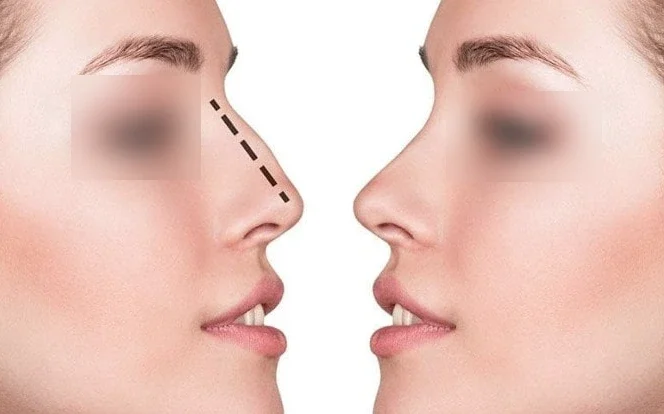
Do you frequently experience nasal blockage, difficulty breathing through one nostril, or trouble sleeping because of a stuffy nose? These symptoms may be associated with a deviated nasal septum. Although a mild deviation may not cause noticeable problems, a more significant deviation can interfere with normal airflow and affect everyday comfort.
A deviated septum occurs when the thin wall separating the two nasal passages is displaced to one side. It may be present from birth or develop following an injury to the nose. Depending on the severity of the deviation and associated symptoms, treatment may range from medication to a surgical procedure called septoplasty.
For individuals looking for deviated septum in mumbai, Dr. Shama Kovale, ENT specialist at Kokilaben Dhirubhai Ambani Hospital and Medical Research Institute, offers specialist evaluation and guidance on suitable treatment options.
What Is a Deviated Nasal Septum?
The nasal septum is the wall made of cartilage and bone that separates the left and right sides of the nose. Ideally, it is positioned close to the centre, allowing air to pass through both nasal passages.
When the septum is significantly displaced, one nasal passage may become narrower than the other. This condition is known as a deviated nasal septum.
Some people have a naturally uneven septum without experiencing any symptoms. Others may develop persistent nasal obstruction, particularly when the deviation occurs alongside swollen nasal tissues, allergies, or enlarged turbinates.
A deviated septum does not always require surgery. Treatment decisions depend on the severity of the obstruction, the symptoms experienced, and the findings of an ENT examination.
What Causes a Deviated Septum?
A deviated nasal septum can develop for several reasons.
1. Present from Birth
Some individuals are born with a septum that is not centrally positioned. The deviation may become more noticeable as the nose develops during childhood and adolescence.
2. Injury to the Nose
An accident, sports injury, fall, or physical impact can displace the nasal cartilage or bone. Even an injury that occurred years earlier may contribute to breathing difficulties later.
3. Changes During Growth
The cartilage and bone forming the nose may grow at different rates. This can sometimes result in a septum that is not properly aligned.
4. Age-Related Changes
Changes in nasal structures over time may affect existing septal deviations and contribute to increased obstruction in some individuals.
Understanding the possible cause helps the ENT specialist assess the condition and recommend appropriate management.
Common Symptoms of a Deviated Septum
The symptoms vary from person to person. Some individuals may not notice any difficulty, while others experience ongoing nasal obstruction.
Common signs include:
- Difficulty breathing through one or both nostrils
- Persistent nasal congestion, sometimes worse on one side
- Frequent nosebleeds
- Noisy breathing during sleep
- Snoring associated with nasal obstruction
- Recurrent sinus-related symptoms
- Facial pressure or discomfort in some cases
- Difficulty breathing comfortably during exercise
- Dryness or irritation inside the nose
A deviated septum can sometimes contribute to mouth breathing, particularly during sleep. However, symptoms such as snoring and sleep disturbances can have several causes, so a proper assessment is important.
If nasal blockage continues despite appropriate treatment for allergies or other nasal conditions, an ENT consultation may help determine whether a structural problem is contributing to the symptoms.
How Is a Deviated Septum Diagnosed?
An accurate diagnosis is essential before deciding on treatment. During an appointment, the ENT specialist may review your symptoms, medical history, previous nasal injuries, and any treatments you have already tried.
The evaluation may include the following:
Nasal Examination
The doctor examines the external nose and nasal passages to look for visible structural irregularities, swelling, and signs of obstruction.
Nasal Endoscopy
Nasal endoscopy involves using a thin instrument with a light and camera to examine the inside of the nose. It helps the specialist assess the septum, nasal turbinates, and surrounding structures.
This examination can also identify other conditions, such as nasal polyps or inflammation, that may contribute to breathing difficulties.
Imaging When Required
A CT scan may be recommended when additional information about the nasal and sinus structures is needed, particularly if chronic sinus problems are also suspected or surgery is being planned. It is not required for every patient with a deviated septum.
The doctor uses the examination findings and symptom history to determine whether the deviation is responsible for the patient’s breathing difficulties.
Treatment Options for a Deviated Septum
Treatment depends on the severity of the deviation and how much it affects daily life. A person with a mild deviation and no significant symptoms may not need any specific treatment.
1. Medication and Symptom Management
Medicines cannot straighten a deviated septum, but they may help control associated nasal inflammation and congestion.
Depending on the underlying cause, the doctor may recommend:
- Saline nasal sprays or irrigation
- Prescribed nasal corticosteroid sprays
- Antihistamines for allergy-related symptoms
- Other medicines to manage associated nasal inflammation
These treatments may improve airflow when swelling or allergies contribute to the obstruction. They do not correct the underlying structural displacement.
2. Septoplasty Surgery
When a deviated septum causes persistent breathing difficulties and medical treatment does not provide sufficient relief, septoplasty may be considered.
Septoplasty is a surgical procedure designed to straighten or reposition the nasal septum. The surgeon works through the nostrils to adjust the displaced cartilage and bone, helping improve the space available for airflow.
The procedure is generally performed under anaesthesia. The exact surgical approach depends on the patient’s nasal anatomy and the extent of the deviation.
3. Septoplasty with Additional Nasal Procedures
Some patients may have other conditions contributing to nasal obstruction, such as enlarged turbinates or nasal polyps. If clinically appropriate, the ENT surgeon may discuss addressing these problems alongside septoplasty.
The need for additional procedures is determined through examination and individual treatment planning.
What to Expect During Recovery After Septoplasty
Recovery varies depending on the surgical technique, the extent of correction, and individual healing.
Patients may experience temporary nasal blockage, mild discomfort, swelling, or blood-stained discharge during the initial recovery period. The nose may feel congested while the tissues heal.
Your surgeon may provide instructions regarding:
- Taking prescribed medicines as directed
- Avoiding strenuous activity for the recommended period
- Avoiding forceful nose blowing until advised
- Keeping follow-up appointments
- Using saline sprays or rinses only as instructed
- Reporting heavy bleeding, fever, increasing pain, or other concerning symptoms
Many patients gradually notice improved nasal airflow as healing progresses. However, the final outcome and recovery timeline differ from person to person. As with any surgery, septoplasty carries potential risks, which should be discussed with the treating surgeon.
Why Consult Dr. Shama Kovale for ENT Care?
Choosing an ENT specialist with relevant qualifications and clinical experience is an important part of managing nasal and sinus conditions.
Dr. Shama Kovale holds an MBBS, Diploma in Otorhinolaryngology (DLO), and MS in ENT from B.Y.L. Nair Hospital, Mumbai. She has also undertaken advanced training in voice and swallowing disorders at the University of California, Davis, USA, completed laryngology fellowship training at Bombay Hospital, Mumbai, and received cochlear implant surgery training at P.D. Hinduja Hospital, Mumbai.
With more than 23 years of clinical and surgical experience, she has worked at institutions including Hinduja Hospital, Bhagwati Hospital, and A.J.B. ENT Hospital. Her ENT expertise covers a range of ear, nose, and throat conditions, including nasal and airway concerns.
Dr. Kovale practises at Kokilaben Dhirubhai Ambani Hospital and Medical Research Institute, a multispeciality hospital setting where patients can access specialist consultations and hospital-based diagnostic and treatment services. The approach to care includes assessing individual symptoms and discussing suitable treatment options rather than recommending the same treatment for every patient.
People searching for the Best ENT in Mumbai should consider a specialist’s qualifications, experience, diagnostic approach, and ability to explain the benefits and limitations of available treatments.
When Should You Seek Medical Advice?
Do not ignore persistent nasal obstruction, repeated nosebleeds, or breathing difficulties that affect your sleep and daily routine. An ENT specialist can determine whether the symptoms are caused by a deviated septum, allergies, sinus inflammation, or another nasal condition.
An early evaluation can help you understand the available treatment options and whether surgery is necessary.
Schedule Your Consultation Today
If nasal blockage or breathing difficulties are affecting your quality of life, consult an ENT specialist for an appropriate evaluation. Dr. Shama Kovale provides ENT consultations at Kokilaben Dhirubhai Ambani Hospital and Medical Research Institute, Mumbai.
Consult Dr. Shama Kovale at Kokilaben Dhirubhai Ambani Hospital for timely evaluation and expert hearing care.
Give Us a Ring: +91-91528 50769
Email: drshamakovaleent@gmail.com
Frequently Asked Questions
1. Can a deviated septum correct itself without surgery?
A deviated septum generally does not straighten on its own. Medication may help reduce associated inflammation and congestion, but it cannot correct the underlying structural displacement. Septoplasty may be considered when symptoms are significant.
2. Is septoplasty a painful procedure?
Septoplasty is performed under anaesthesia, so patients do not feel the surgery itself. Temporary discomfort, congestion, and swelling may occur during recovery. The surgeon provides medication and aftercare instructions to help manage these symptoms.
3. How long does recovery after septoplasty take?
Initial recovery commonly takes one to two weeks, although complete healing can take longer. The timeline depends on the surgical approach and individual healing. Follow your surgeon’s advice about returning to work, exercise, and normal activities.
4. Does a deviated septum always cause sinus problems?
No. Many people with a deviated septum do not develop sinusitis. However, significant obstruction may affect airflow or sinus drainage in some individuals. An ENT examination can help determine whether the deviation is contributing to recurring sinus symptoms.