
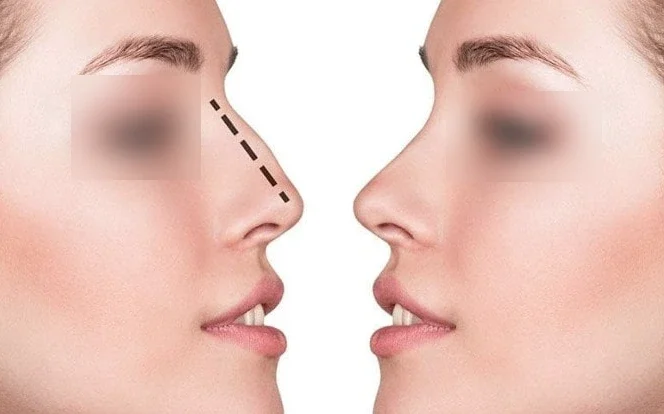
Difficulty breathing through the nose, persistent nasal congestion, mouth breathing and disturbed sleep can significantly affect everyday life. Consulting a specialist for Septoplasty surgery Mumbai can help identify whether these symptoms are caused by a deviated nasal septum. This condition occurs when the thin wall separating the two nasal passages is displaced to one side. While mild deviations may not require treatment, significant structural abnormalities can interfere with normal airflow and may require surgical correction.
For individuals considering Septoplasty surgery Mumbai, Dr. Shama Kovale at Kokilaben Dhirubhai Ambani Hospital offers specialised evaluation and treatment for nasal obstruction and related ENT conditions. With over 23 years of experience in ENT and rhinology, she specialises in functional nasal procedures, septoplasty, turbinate reduction and advanced endoscopic ENT surgeries. Her approach focuses on accurate diagnosis, appropriate surgical planning and patient comfort.
Why Choose Dr. Shama Kovale for Septoplasty Surgery Mumbai?
Choosing an experienced ENT surgeon is important when considering surgery to correct a deviated nasal septum. Dr. Shama Kovale is a Senior Consultant ENT Surgeon at Kokilaben Dhirubhai Ambani Hospital, Andheri West, Mumbai. She has more than 23 years of clinical experience in managing conditions affecting the ear, nose and throat.
She holds an MBBS, DLO and MS in ENT from B.Y.L. Nair Hospital, Mumbai. She has also completed advanced fellowships at UC Davis, USA, and Hinduja Hospital, India. Her additional training and certifications in endoscopic sinus surgery and ear microsurgery support her expertise in managing complex ENT conditions.
Dr. Shama Kovale specialises in nasal airway surgery, septoplasty, turbinate reduction, endoscopic sinus surgery, cochlear implants and airway reconstruction. She is also the head of the Voice and Swallowing Centre at Kokilaben Dhirubhai Ambani Hospital.
Her patient-centred approach emphasises transparent communication, detailed evaluation and personalised treatment planning. Patients are guided through their diagnosis, surgical options and recovery expectations so they can make informed healthcare decisions.
What Is a Deviated Nasal Septum?
The nasal septum is the structure made of cartilage and bone that divides the nose into two passages. Ideally, it should be positioned centrally to allow balanced airflow through both nostrils.
When the septum becomes displaced or bent towards one side, it is known as a deviated nasal septum. The condition may be present from birth, develop during growth or occur following a nasal injury.
A minor deviation may not cause noticeable symptoms. However, a significant deviation can obstruct one or both nasal passages and contribute to breathing difficulties.
Common symptoms include:
- Persistent nasal blockage, particularly on one side.
- Difficulty breathing through the nose.
- Frequent mouth breathing.
- Snoring and disturbed sleep.
- Recurrent sinus infections.
- Facial pressure or headaches.
- Nasal dryness and occasional nosebleeds.
- Reduced exercise tolerance due to nasal obstruction.
If these symptoms persist despite appropriate medical management, consulting an ENT specialist can help determine whether structural correction is necessary.
When Is Septoplasty Recommended?
Septoplasty surgery Mumbai is a specialised surgical procedure performed to straighten the nasal septum and improve airflow through the nasal passages. It may be recommended when a deviated septum causes significant symptoms, such as persistent nasal blockage and breathing difficulties, that do not improve adequately with medication or other non-surgical treatments.
Some common reasons for considering the procedure include:
1. Persistent Nasal Obstruction
A deviated septum can narrow one nasal passage, making breathing difficult. Septoplasty may help improve airflow by correcting the structural obstruction.
2. Recurrent Sinusitis
In selected patients, septal deviation may contribute to impaired sinus drainage. Correcting the structural problem may improve nasal airflow and support sinus drainage, although it does not guarantee that sinus infections will stop recurring.
3. Snoring and Sleep Disturbances
Nasal obstruction can contribute to snoring and mouth breathing during sleep. Septoplasty may improve nasal breathing, but it is not a standalone treatment for every sleep-related breathing disorder.
4. Difficulty with Daily Activities
Chronic nasal blockage may affect physical activity, concentration and sleep quality. Surgical correction may be considered when the symptoms significantly affect everyday functioning.
How Is Septoplasty Surgery Performed?
The procedure is planned after a detailed ENT examination and assessment of the nasal anatomy.
Dr. Shama Kovale may use nasal endoscopy and high-definition imaging, including CT scans when clinically indicated, to assess septal deviation and associated conditions such as enlarged turbinates.
Septoplasty generally involves the following steps:
- Anaesthesia: The procedure is commonly performed under general anaesthesia, although local anaesthesia may be suitable in selected cases.
- Surgical Access: Small incisions are generally made inside the nostrils, avoiding visible external scars in routine septoplasty.
- Septal Correction: The surgeon carefully lifts the lining covering the septum and corrects or repositions the deviated cartilage and bone.
- Structural Support: The septum is stabilised to maintain its corrected position during healing.
- Completion: Depending on the procedure, nasal splints or packing may be used to support recovery.
The surgical technique is selected according to the patient’s anatomy, symptoms and associated nasal conditions.
Advanced Treatment Options Alongside Septoplasty
Some patients may have additional nasal problems that require attention during the same treatment plan.
Turbinate Reduction: Enlarged turbinates can contribute to nasal obstruction. Reducing their volume in suitable cases may create more space for airflow.
Sinus Co-management: Patients with associated chronic sinusitis may require separate evaluation and, in selected cases, endoscopic sinus surgery alongside septoplasty.
Functional Nasal Surgery: Additional procedures may be considered when other anatomical abnormalities contribute to breathing difficulties.
The goal is to improve nasal function while preserving healthy tissue and maintaining appropriate structural support.
Recovery After Septoplasty Surgery
Recovery varies depending on the extent of correction, surgical technique and individual healing. Most patients experience some temporary nasal congestion, mild discomfort or swelling during the initial recovery period.
General recovery guidance includes:
- Follow the prescribed medication schedule.
- Use saline nasal rinses as advised by the surgeon.
- Avoid forceful nose blowing during the initial healing period.
- Avoid strenuous exercise and heavy lifting until medically cleared.
- Attend scheduled follow-up appointments.
- Follow instructions regarding nasal splints or dressings.
Many patients can return to light work and routine activities within approximately 5–7 days, depending on their recovery and the surgeon’s advice. Complete internal healing may take several weeks or longer.
Potential risks include bleeding, infection, septal perforation, persistent obstruction and changes in smell. These should be discussed with the surgeon before the procedure.
Advanced ENT Care at Kokilaben Dhirubhai Ambani Hospital
Kokilaben Dhirubhai Ambani Hospital in Andheri West provides specialised medical and surgical facilities for the diagnosis and management of ENT conditions. Patients benefit from access to experienced specialists, diagnostic investigations, operating facilities and coordinated hospital-based care.
Dr. Shama Kovale practises at the hospital and leads its dedicated Voice and Swallowing Centre. Her clinical expertise covers nasal airway disorders, sinus conditions, voice and swallowing problems, cochlear implants and advanced endoscopic ENT procedures.
The hospital environment supports comprehensive patient evaluation, surgical planning and post-operative follow-up. Dr. Shama Kovale follows a patient-focused approach, ensuring that individuals understand their diagnosis, available treatment options and recovery requirements.
Consult an Experienced ENT Specialist in Mumbai
Persistent nasal blockage should not always be attributed to allergies or seasonal infections. A structural problem such as a deviated nasal septum may require specialist evaluation, particularly when symptoms affect sleep, breathing and daily activities.
Patients looking for an ENT Specialist in Mumbai can consult Dr. Shama Kovale for comprehensive assessment of nasal and sinus conditions. Those searching for an ENT Doctor in Mumbai can also seek her guidance regarding medical and surgical treatment options for different ENT disorders.
Book an Appointment with Dr. Shama Kovale
If you experience persistent nasal congestion, mouth breathing, snoring or difficulty breathing through one or both nostrils, a timely ENT consultation can help identify the underlying cause.
For individuals considering Septoplasty surgery Mumbai, Dr. Shama Kovale at Kokilaben Dhirubhai Ambani Hospital offers specialised evaluation and personalised surgical care.
+91 91528 50769
drshamakovaleent@gmail.com
Get Directions to the Clinic – Kokilaben Dhirubhai Ambani Hospital
Book your consultation today to understand your nasal breathing concerns and explore whether septoplasty is an appropriate treatment option for you.
Frequently Asked Questions (FAQs)
1. What is septoplasty surgery, and why is it performed?
Septoplasty is a surgical procedure used to correct a deviated nasal septum. It is performed to improve nasal airflow and relieve symptoms such as persistent nasal blockage, mouth breathing and breathing difficulties.
2. Is septoplasty surgery painful?
Septoplasty is generally performed under anaesthesia, so patients do not feel pain during the procedure. Mild discomfort, congestion and swelling may occur during recovery and can usually be managed with prescribed medication.
3. How long does it take to recover after septoplasty?
Many patients can resume light activities within 5–7 days, depending on their recovery. Complete internal healing may take several weeks, and following the surgeon’s post-operative instructions is important.
4. Who is the right candidate for septoplasty surgery in Mumbai?
Individuals experiencing persistent nasal obstruction due to a deviated septum, particularly when symptoms do not improve with medical treatment, may be suitable candidates. An ENT specialist must evaluate the nasal structure and overall health before recommending surgery.