
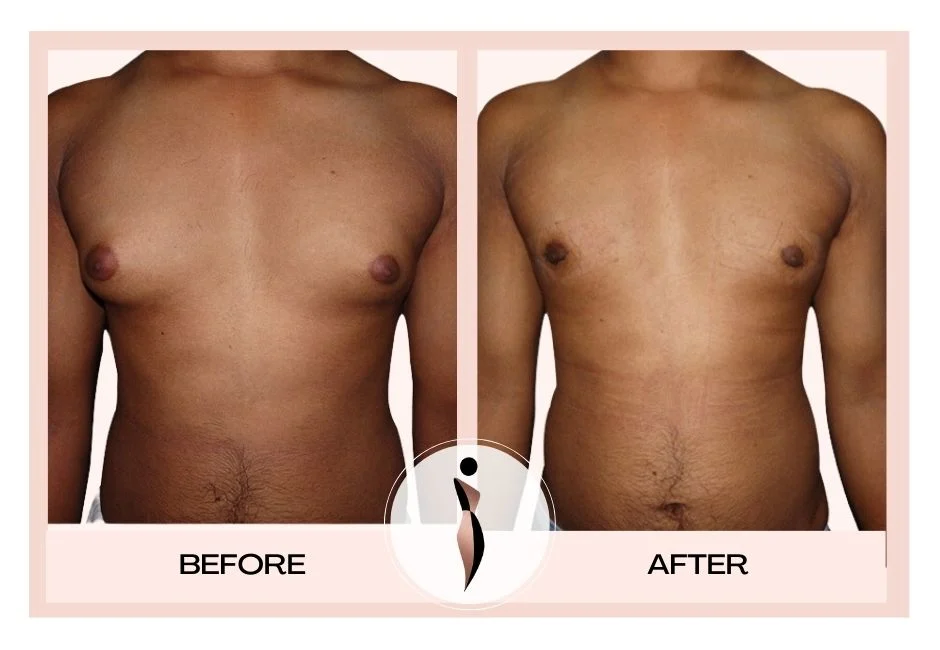
Gynecomastia is a condition characterised by the enlargement of breast tissue in men. It may affect one or both sides of the chest and can occur at different stages of life. Although it is not always associated with a serious medical problem, enlarged male breasts can cause physical discomfort, embarrassment and reduced self-confidence. Men may feel hesitant to participate in sports, wear fitted clothing or enjoy social activities because of their chest appearance.
With appropriate evaluation and surgical techniques, gynecomastia can be treated to create a flatter and more masculine-looking chest. Gynecomastia surgery Mumbai services offered by Dr. Amiti Shah at Shah Superspeciality Clinic focus on understanding the cause and extent of breast enlargement before recommending an individualised treatment approach.
Understanding Gynecomastia Surgery Mumbai and Its Benefits
Gynecomastia refers to the enlargement of glandular breast tissue in males. It can develop because of hormonal changes, certain medications, underlying medical conditions or other factors. In some individuals, excess fat accumulation in the chest creates a similar appearance, a condition commonly called pseudogynecomastia.
The condition may present as a firm lump beneath the nipple or as more widespread enlargement of the chest. Some men experience tenderness or discomfort, while others mainly have cosmetic concerns. It can affect teenagers as well as adults, although treatment decisions depend on age, the underlying cause and whether breast development has stabilised.
Male breast reduction surgery aims to remove excess glandular tissue, fat or both, depending on the individual’s condition. The objective is to improve chest proportions while maintaining a natural appearance.
What Causes Gynecomastia?
Several factors may contribute to male breast enlargement, including:
- Hormonal changes: An imbalance between testosterone and estrogen can lead to the development of breast tissue. Hormonal fluctuations may occur during puberty and ageing.
- Medications: Certain prescription medicines may contribute to breast enlargement as a side effect.
- Medical conditions: Some liver conditions and other health problems may affect hormone levels and contribute to gynecomastia.
- Weight gain: Excess fat deposits around the chest can create the appearance of enlarged breasts.
- Other factors: Genetics, alcohol consumption and the use of anabolic steroids may also be associated with the condition.
Identifying the possible cause is an important part of treatment planning. Dr. Amiti Shah evaluates the patient’s concerns and examines the chest to understand whether the enlargement is primarily due to glandular tissue, excess fat or a combination of both.
Who May Be Suitable for Male Breast Reduction?
Not every person with enlarged male breasts requires surgery. A consultation helps determine whether the procedure is appropriate and whether other medical concerns need attention first.
A person may be considered for surgery when:
- Breast enlargement persists despite appropriate non-surgical measures.
- The individual is in generally good health.
- Breast development is complete or stable.
- Body weight is reasonably stable.
- The patient has realistic expectations about the outcome.
- The individual is willing to follow preoperative and postoperative instructions.
Adolescents with ongoing breast development may need observation and medical assessment before surgery is considered. Patients should also discuss smoking, medications, existing health conditions and previous treatments with their surgeon.
Surgical Techniques Used for Gynecomastia Correction
The appropriate surgical technique depends on the amount of excess fat and glandular tissue, skin elasticity and the overall chest contour. Dr. Amiti Shah’s reference page describes three main approaches:
1. Liposuction
Liposuction may be used when excess fatty tissue contributes significantly to chest enlargement. Small incisions allow a thin cannula to be introduced into the treatment area to remove unwanted fat. This can help improve chest definition and contour.
2. Gland Excision
When enlarged glandular tissue is present, surgical excision may be required. The tissue is generally removed through an incision placed near the edge of the areola. The incision is planned with attention to scar placement and chest appearance.
3. Combined Liposuction and Excision
Some patients have both excess fat and prominent glandular tissue. In these cases, combining liposuction with gland excision may help address both concerns and achieve a more balanced chest contour.
The choice of technique is made after an individual examination rather than using the same approach for every patient.
Gynecomastia Surgery Mumbai: Treatment with Dr. Amiti Shah
Dr. Amiti Shah is a qualified plastic surgeon with specialist training in general and plastic surgery, along with a fellowship in breast reconstructive and cosmetic surgery in the United Kingdom. Her qualifications include MBBS from Maharashtra University of Health Sciences, DNB General Surgery and DNB Plastic Surgery from the National Board of Examinations, and a fellowship completed in 2015.
Her professional interests include body shaping procedures such as liposuction, breast surgery and body contouring. She is affiliated with hospitals in South and West Mumbai and also contributes to reconstructive surgery and postgraduate teaching. Her research work has been published in national and international journals, and she received a Best Paper Award in 2016 for research on liposuction.
As a Female Plastic Surgeon In Mumbai, Dr. Amiti Shah emphasises patient comfort, realistic expectations and individualised surgical planning. Her approach considers both the physical concerns and emotional impact that changes in body appearance may have on patients.
At Shah Superspeciality Clinic, consultations provide an opportunity to discuss chest concerns, understand available treatment options and clarify expectations. The clinic’s care approach is centred on personalised assessment and helping patients make informed decisions about surgery. Those considering treatment can discuss the procedure, potential risks, recovery and follow-up requirements directly with Dr. Amiti Shah.
Recovery After Gynecomastia Surgery
Recovery varies depending on the surgical technique, extent of tissue removal and an individual’s healing response. Swelling, bruising and mild discomfort around the chest may occur during the initial recovery period.
Some patients may be able to resume work and routine activities within approximately one week, depending on their recovery and the nature of their work. However, strenuous exercise and heavy lifting are generally avoided for around four weeks or for the duration advised by the surgeon.
Following postoperative instructions is important. Patients should attend scheduled follow-up visits, take prescribed medication as directed and follow guidance about wound care, activity restrictions and any recommended compression garments. The surgeon will advise when normal exercise and other activities can be gradually resumed.
Why Choose Dr. Amiti Shah for Male Breast Reduction?
Choosing a plastic surgeon involves considering qualifications, relevant surgical experience, communication and the suitability of the proposed treatment. Dr. Amiti Shah’s training in plastic surgery and breast reconstructive and cosmetic surgery supports her work in aesthetic and reconstructive procedures.
Her consultation-led approach allows patients to discuss their concerns in a professional setting and understand the benefits and limitations of different techniques. Patients seeking a Plastic Surgeon in Mumbai for male breast reduction can consult her to explore whether liposuction, gland excision or a combined procedure is suitable for their needs.
The goal of surgery is to improve chest contour while prioritising safety, proportion and realistic outcomes. Results vary between individuals, and no particular appearance can be guaranteed.
Book a Consultation with Dr. Amiti Shah
If enlarged male breasts are affecting your comfort or confidence, a specialist consultation can help you understand the available treatment options. Dr. Amiti Shah evaluates each patient’s concerns and recommends an appropriate approach based on their anatomy, health and expectations.
For Gynecomastia surgery Mumbai, contact Shah Superspeciality Clinic to schedule an appointment and discuss personalised treatment planning.
Dr. Amiti Shah – Shah Superspeciality Clinic
87795 36240 | 022 2367 7234
info@dramitishah.com
Get Directions to the Clinic – Shah Superspeciality Clinic
Call today to book an appointment with Dr. Amiti Shah and take an informed step towards addressing gynecomastia.
Frequently Asked Questions
1. What is gynecomastia surgery?
Gynecomastia surgery is a male breast reduction procedure that removes excess glandular tissue, fat or both to create a flatter and more proportionate chest.
2. Is gynecomastia surgery suitable for everyone?
No. Suitability depends on factors such as the cause of breast enlargement, overall health, stable weight, completed breast development and realistic expectations. A consultation is necessary to determine whether surgery is appropriate.
3. How long does recovery take after gynecomastia surgery?
Recovery varies by patient and surgical technique. Some individuals may return to routine work within approximately one week, while strenuous exercise and heavy lifting may need to be avoided for around four weeks, subject to the surgeon’s advice.
4. Will gynecomastia surgery leave scars?
Incisions are generally planned carefully, often near the edge of the areola for gland removal. Scars may remain, but their appearance can change as healing progresses. The final result varies between individuals.