
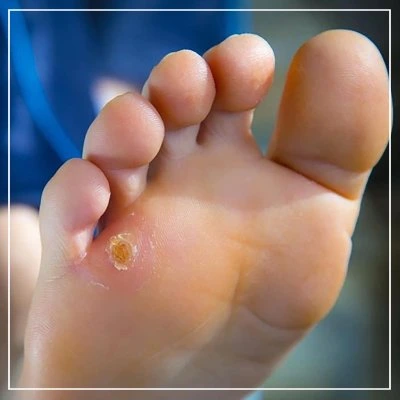
Corns are thickened areas of skin that develop due to repeated friction or pressure. They commonly appear on the feet, toes, soles and sometimes on the hands. Although corns are generally harmless, they can cause significant discomfort, tenderness and pain while walking, standing or performing everyday activities. Wearing tight footwear, prolonged standing and repetitive pressure are some of the common factors responsible for their development. Seeking timely Corn removal treatment in Mumbai can help reduce discomfort, remove excess hardened skin and prevent recurring problems.
At Viva Aesthetic Clinic, Dr. Deepam Shah offers professional dermatological evaluation and treatment for corns and calluses. With advanced qualifications, more than a decade of clinical experience and access to modern medical technology, he focuses on identifying the underlying cause and recommending appropriate treatment for individual patients.
What Are Corns and Why Do They Develop?
Corns are small, concentrated areas of thickened skin that form when the body responds to repeated pressure or friction. This protective response causes the outer skin layer to become harder and thicker. The medical term for this condition is hyperkeratosis.
Corns generally develop on weight-bearing areas or places where footwear repeatedly rubs against the skin. They are frequently seen on the sides and tops of toes, between toes and on the soles of the feet.
There are two common types of corns:
1. Hard Corns: These are small, firm areas of thickened skin with a hard central core. They usually develop on the tops or sides of toes due to continuous pressure from footwear.
2. Soft Corns: These develop between the toes, where moisture and friction cause the hardened skin to remain softer. They may appear whitish and can cause discomfort or irritation.
Calluses are another form of thickened skin. Unlike corns, they are generally larger, have less defined borders and commonly develop on the heels, soles and palms.
Common Signs and Symptoms of Corns
Recognising the early symptoms of corns can help individuals seek suitable treatment before the condition becomes more painful.
Common signs include:
- A small, hardened or raised bump on the skin.
- Thick, rough or dry skin around the affected area.
- A waxy, flaky or yellowish appearance.
- Tenderness when pressure is applied.
- Pain while walking or wearing shoes.
- Discomfort when standing for extended periods.
- A firm central area surrounded by inflamed skin.
If these symptoms persist or interfere with everyday activities, consulting a dermatologist for Corn removal treatment in Mumbai can help determine the appropriate management approach.
What Causes Corns on the Feet and Hands?
Corns usually develop because of repeated friction and pressure. Some of the most common contributing factors include:
1. Tight or Poorly Fitting Footwear: Shoes that are too tight can compress the toes and create pressure points. High heels can also increase pressure on the front portion of the feet.
2. Loose Footwear: Shoes that are too loose allow the feet to slide and rub against the inner surface, resulting in repeated friction.
3. Not Wearing Socks: Wearing shoes without socks can increase direct friction between the footwear and skin.
4. Prolonged Standing and Walking: Individuals who spend several hours standing or walking may experience increased pressure on specific areas of their feet.
5. Foot Deformities: Conditions such as hammertoes and other structural abnormalities can create uneven pressure distribution, increasing the likelihood of corn formation.
6. Repetitive Hand Activities: Activities involving writing, playing musical instruments or using hand tools can cause corns and calluses on the fingers and palms.
Understanding these contributing factors is important because removing the hardened skin alone may not prevent the corn from returning.
What Is the Best Corn Removal Treatment in Mumbai?
The appropriate treatment depends on the size, location, severity and underlying cause of the corn. At Viva Aesthetic Clinic, Dr. Deepam Shah evaluates the affected area and recommends suitable treatment based on individual skin concerns.
The available treatment approaches may include:
1. Medicated Treatments
Dermatologists may recommend topical preparations containing salicylic acid to soften thickened skin and help remove dead skin cells. Higher-strength preparations, including 40% salicylic acid patches, may be considered in selected cases under professional guidance.
These products should not be used without medical advice, particularly by people with diabetes, poor circulation or reduced sensation in their feet.
2. Professional Trimming of Hardened Skin
A dermatologist may carefully remove excess thickened skin using specialised medical instruments. This procedure helps reduce pressure and discomfort around the affected area.
Professional trimming is preferable to attempting removal at home with sharp blades or scissors, which can cause cuts and infections.
3. Radiofrequency (RF) Treatment
In selected cases, radiofrequency treatment or other suitable procedural approaches may be considered for managing persistent corns. The dermatologist determines whether such treatment is appropriate after examining the affected area.
4. Orthotic Support and Protective Padding
Customised shoe inserts, toe separators and protective padding can help redistribute pressure and reduce friction. These options are particularly useful for individuals with foot deformities or recurring corns.
5. Correcting the Underlying Cause
Changing footwear, wearing comfortable socks and avoiding repeated pressure are essential parts of treatment. Addressing the underlying cause helps reduce the possibility of recurrence.
Why Choose Dr. Deepam Shah for Corn Removal?
Dr. Deepam Shah is an experienced dermatologist, cosmetologist and hair transplant surgeon practising in South Mumbai. He is the founder of Viva Aesthetic Clinic and has more than a decade of experience in dermatology, skin treatments and aesthetic procedures.
His qualifications include:
- MBBS from the University of Bombay, Mumbai (2010).
- DNB in Dermatology and Venereology from the University of Delhi (2014).
- Fellowship in Aesthetic Medicine, Hair Transplant and Dermatology from ILAMED (2014).
He has also received recognition as a Silver Medalist in the MUHS Examination and Best Post Graduate Student for the Galderma Institute.
His clinical approach focuses on understanding the root cause of skin conditions and recommending appropriate treatments with minimal unnecessary medication. His experience in dermatology and dermatosurgery supports the assessment and management of different skin concerns.
Patients seeking a Skin Specialist in Mumbai can consult Dr. Deepam Shah for professional evaluation and personalised dermatological guidance.
Advanced Facilities at Viva Aesthetic Clinic
Viva Aesthetic Clinic is a 1,000-square-foot facility located in South Mumbai, equipped with modern lasers, advanced medical devices and aesthetic technology.
Founded by Dr. Deepam Shah, the clinic provides specialised skin, hair and aesthetic treatments with support from trained and qualified professionals. The environment focuses on patient comfort, professional consultation and individualised treatment planning.
Patients receive guidance regarding their skin concerns, available treatment options and necessary aftercare. This approach helps individuals understand their condition and make informed decisions about their treatment.
For individuals searching for a Dermatologist in Mumbai, Viva Aesthetic Clinic offers a dedicated setting for professional skin assessment and treatment.
How to Prevent Corns from Coming Back
Even after successful treatment, corns may return if the original source of friction or pressure continues. Following simple preventive measures can help maintain healthier skin.
- Choose comfortable shoes with sufficient space for the toes.
- Avoid wearing high heels for prolonged periods.
- Wear well-fitting cotton socks to reduce friction.
- Use protective padding around pressure points.
- Keep your feet clean and moisturised.
- Avoid walking in footwear that causes repeated rubbing.
- Consult a dermatologist if thickened skin repeatedly develops.
- Seek medical advice for foot problems, especially if you have diabetes or poor circulation.
These precautions, combined with appropriate dermatological care, can help minimise recurrence and improve everyday comfort.
Book Your Consultation for Corn Removal at Viva Aesthetic Clinic
Persistent corns can make routine activities such as walking, exercising and wearing footwear uncomfortable. Early diagnosis and appropriate treatment can help address the problem and reduce the risk of complications.
If you are considering Corn removal treatment in Mumbai, consult Dr. Deepam Shah at Viva Aesthetic Clinic. With his dermatological qualifications, clinical experience and patient-focused approach, he can assess your condition and recommend a suitable treatment plan.
Contact Details:
📞 +91 93245 89084 | 022 3573 1556
📧 clinicvivacosmetic@gmail.com
Get Directions to the Clinic: Viva Aesthetic Clinic, Mumbai
Frequently Asked Questions (FAQs)
1. What is the best treatment for removing corn?
Treatment depends on the size, location and severity of the corn. Options may include medicated salicylic acid preparations, professional trimming, radiofrequency treatment and protective padding. A dermatologist can recommend the most suitable approach.
2. Is corn removal treatment painful?
Most professional corn removal procedures are generally well tolerated. The level of discomfort depends on the size, depth and location of the corn and the treatment method used.
3. Can corn come back after removal?
Yes. Corns can recur if the underlying causes, such as friction, pressure or poorly fitting footwear, are not addressed. Wearing comfortable shoes and using protective padding can help prevent recurrence.
4. When should I consult a dermatologist for corn?
You should consult a dermatologist if the corn becomes painful, grows larger, shows signs of infection or interferes with walking. People with diabetes or poor circulation should seek professional advice rather than attempting home removal.