
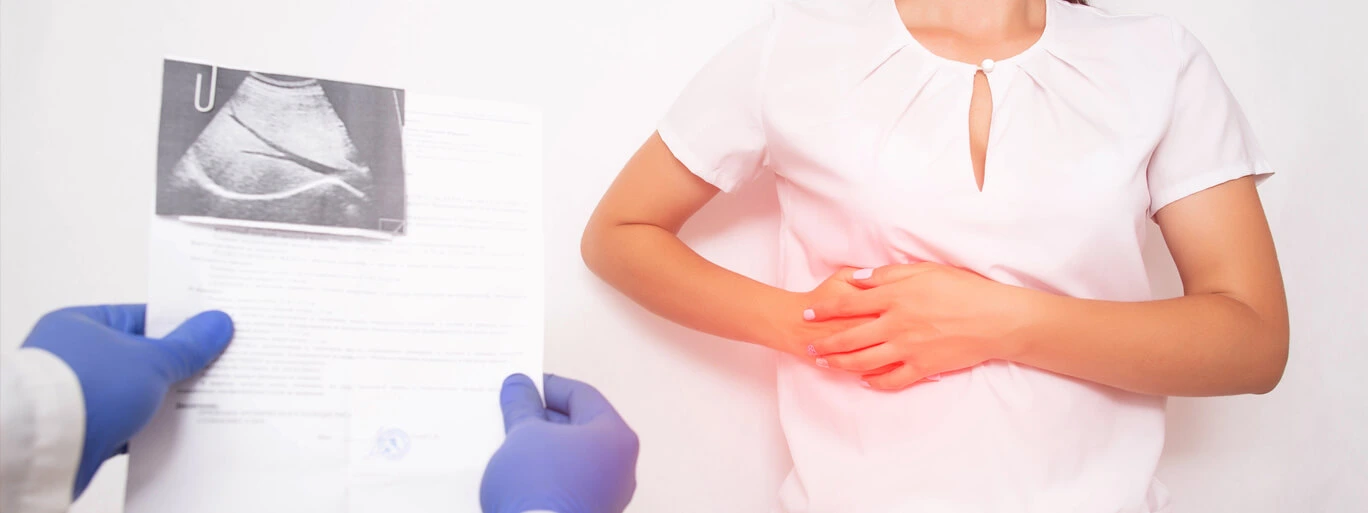
Bile duct cancer, medically known as cholangiocarcinoma, is a rare but serious cancer that develops in the thin tubes responsible for carrying bile from the liver to the small intestine. Since these ducts play an essential role in digestion, any blockage or abnormal growth can affect the normal functioning of the liver and digestive system. Early diagnosis and appropriate treatment planning are important for managing this condition. Consulting an experienced specialist for Bile duct cancer treatment in Mumbai can help patients understand their diagnosis and explore suitable treatment options.
Choosing an experienced surgical oncologist is an important step when dealing with complex hepatobiliary cancers. Patients seeking Bile duct cancer treatment in Mumbai can consult Dr. Ganesh Nagarajan at Cancer Surgery Clinic for specialised evaluation and treatment planning. With extensive experience in gastrointestinal, hepatobiliary and pancreatic cancer surgeries, Dr. Nagarajan provides expertise in managing complex cancer conditions through individualised treatment approaches.
Understanding Bile Duct Cancer
Bile duct cancer, also called cholangiocarcinoma, develops in the bile ducts, which connect the liver and gallbladder to the small intestine. These ducts transport bile, a digestive fluid that helps break down fats.
Depending on its location, bile duct cancer can develop in different parts of the biliary system. It may occur inside the liver, around the area where the right and left hepatic ducts meet, or in the lower portion of the bile duct near the small intestine.
The condition can be challenging to diagnose because early symptoms may be subtle or difficult to recognise. As the tumour grows, it may obstruct the flow of bile, resulting in jaundice and other digestive or liver-related symptoms.
Common Symptoms of Bile Duct Cancer
Recognising the warning signs of bile duct cancer can help patients seek timely medical attention. Symptoms may vary depending on the tumour’s location and stage.
Common symptoms include:
- Jaundice: Yellowing of the skin and eyes due to increased bilirubin levels.
- Dark Urine: Urine may become unusually dark because of excess bilirubin.
- Pale Stools: Reduced bile reaching the intestine can cause clay-coloured stools.
- Persistent Itching: Bile-related substances accumulating in the body can cause itching.
- Abdominal Discomfort: Some patients experience pain or discomfort in the upper abdomen.
- Fever: Infections of the bile ducts, known as cholangitis, may cause fever.
- Unexplained Weight Loss: Loss of appetite and unintended weight reduction may occur.
Progressive, unexplained jaundice, particularly when accompanied by itching and changes in urine or stool colour, requires prompt medical evaluation.
Causes and Risk Factors of Bile Duct Cancer
The exact cause of bile duct cancer is not always identifiable. However, certain medical conditions and risk factors may increase the likelihood of developing this disease.
These include:
- Chronic inflammation of the bile ducts.
- Primary sclerosing cholangitis.
- Certain congenital abnormalities of the bile ducts.
- Bile duct stones and long-standing biliary problems.
- Chronic liver diseases.
- Certain parasitic infections affecting the biliary system.
Having one or more risk factors does not necessarily mean someone will develop bile duct cancer. Regular medical evaluation is important for individuals with known biliary conditions.
Diagnosis of Bile Duct Cancer
Accurate diagnosis helps determine the location, size and extent of the tumour. The diagnostic process generally involves a combination of blood investigations and imaging tests.
Important diagnostic investigations include:
- Liver Function Tests (LFT): These tests assess bilirubin and liver enzyme levels. Elevated direct bilirubin and alkaline phosphatase may indicate bile duct obstruction.
- Ultrasound of the Abdomen: Helps identify dilated bile ducts and possible obstructions.
- MRCP (Magnetic Resonance Cholangiopancreatography): Provides detailed images of the bile ducts and helps identify the location and extent of the tumour.
- CT Scan: Helps assess tumour involvement, nearby blood vessels and possible spread to surrounding structures.
- CA 19-9 Tumour Marker: May help assess the disease alongside imaging and other clinical findings.
Based on the investigation reports, the surgical oncologist determines the stage of cancer and develops an appropriate treatment strategy. Not every patient requires the same investigations or treatment approach.
Bile Duct Cancer Treatment in Mumbai: Available Treatment Options
Treatment for bile duct cancer depends on the tumour’s location, stage, involvement of nearby structures and the patient’s overall health. The primary objective is to control the disease while preserving as much healthy liver function as possible.
1. Surgical Removal of the Tumour
Surgery may offer the possibility of long-term disease control or cure in selected patients when the tumour can be completely removed.
Depending on the tumour’s location, surgical procedures may include:
- Bile Duct Resection: Removal of the affected portion of the bile duct along with the relevant surrounding lymph nodes.
- Hepatectomy: Removal of the affected portion of the liver when the tumour extends into the right or left hepatic ducts.
- Caudate Lobe Resection: Removal of the caudate lobe when necessary to achieve complete tumour clearance.
- Lymph Node Dissection: Removal of relevant regional lymph nodes to assess and manage possible cancer involvement.
- Hepaticojejunostomy: Reconstruction of bile flow by connecting the remaining bile duct to a section of the small intestine.
The exact operation is decided after evaluating the tumour’s relationship with important blood vessels and surrounding organs.
2. Biliary Drainage
Some patients develop significant jaundice because the tumour blocks the normal flow of bile. In such situations, biliary drainage may be recommended before surgery or as part of symptom management.
Common drainage procedures include:
- ERCP (Endoscopic Retrograde Cholangiopancreatography): An endoscopic procedure that can help relieve bile duct obstruction through stent placement.
- PTBD (Percutaneous Transhepatic Biliary Drainage): A procedure in which a drainage tube is inserted through the skin into the bile ducts to allow bile to flow out.
The choice depends on the location of the obstruction, the patient’s condition and the planned treatment.
3. Chemotherapy and Radiation Therapy
When bile duct cancer has spread to distant organs or cannot be completely removed through surgery, systemic treatment may be recommended.
Chemotherapy helps control cancer growth and may reduce symptoms. Radiation therapy may also be considered in selected cases to manage local disease.
For some patients, a combination of chemotherapy, radiation and supportive treatment offers better disease management than surgery alone.
4. Palliative Treatment and Symptom Management
When curative surgery is not possible, treatment focuses on improving quality of life, relieving symptoms and managing complications.
Metallic biliary stents may be used to relieve obstruction and improve bile drainage. Additional treatments may help control pain, infections, digestive problems and other cancer-related symptoms.
The appropriate treatment depends on the patient’s clinical condition and treatment goals.
Why Choose Dr. Ganesh Nagarajan for Bile Duct Cancer Treatment?
Dr. Ganesh Nagarajan is an experienced surgical oncologist specialising in gastrointestinal, hepatobiliary and pancreatic cancers. His advanced training and experience in complex cancer surgeries make him a recognised specialist for managing challenging abdominal malignancies.
Qualifications and Clinical Experience
Dr. Ganesh Nagarajan holds the following qualifications:
- MBBS from Bombay University (2000).
- MS in General Surgery from Bombay University (2004).
- FCPS and four-year Surgical Oncology residency training at Tata Memorial Hospital, Mumbai (2004–2008).
- Fellowship in Hepatobiliary Pancreatic Surgery and Liver Transplantation at Hospital Beaujon, Paris (2008–2009).
He has approximately 28 years of overall clinical experience and has performed more than 2,000 complex gastrointestinal and hepatopancreatobiliary cancer surgeries. He has also provided consultations to over 15,000 patients with GI and HPB cancers.
He previously served as a Senior Consultant at PD Hinduja National Hospital and currently holds a senior leadership position in Hepatobiliary, Pancreatic and Gastrointestinal Oncology at Nanavati Max Institute of Cancer Care.
His expertise includes robotic and laparoscopic cancer surgery, vascular resections and reconstructions, and complex hepatobiliary procedures.
Patient-Centred Environment at Cancer Surgery Clinic
At the Cancer Surgery Clinic in Mumbai, cancer care focuses on personalised evaluation, scientific treatment planning and continuous patient support.
Every patient is personally evaluated by Dr. Ganesh Nagarajan. Medical scans are reviewed with experienced onco-radiologists, while pathology reports are discussed with oncopathologists to develop an appropriate treatment strategy.
The clinic follows a multidisciplinary approach involving surgical, medical and radiation oncology expertise whenever required. Patients and their families also receive guidance and counselling throughout the treatment journey.
The clinic provides access to comprehensive care for hepatobiliary, pancreatic and gastrointestinal cancers, including robotic and laparoscopic surgery in suitable cases.
Patients looking for a Top Surgical Oncologist in Mumbai can benefit from Dr. Ganesh Nagarajan’s specialised training, experience in complex cancer surgery and individualised approach to treatment.
Benefits of Early Specialist Consultation
Seeking an early consultation with an experienced cancer surgeon can help patients understand their diagnosis and explore suitable treatment options.
Some important benefits include:
- Timely identification of the cancer stage.
- Better assessment of surgical possibilities.
- Appropriate planning of biliary drainage when required.
- Evaluation of minimally invasive surgical options.
- Coordinated treatment involving different oncology specialists.
- Structured postoperative monitoring and follow-up care.
For patients considering Bile duct cancer treatment in Mumbai, consulting a specialist with experience in complex hepatobiliary procedures can help ensure that treatment decisions are based on detailed clinical evaluation.
Frequently Asked Questions (FAQs)
1. What are the early symptoms of bile duct cancer?
Common symptoms include jaundice, dark urine, pale stools, persistent itching, abdominal discomfort, unexplained weight loss and fever. Progressive painless jaundice is an important warning sign that requires medical evaluation.
2. Is surgery possible for bile duct cancer?
Yes. Surgery may be possible when the tumour is localised and can be completely removed. Depending on its location, treatment may involve bile duct resection, partial liver removal and lymph node dissection.
3. How is bile duct cancer diagnosed?
Diagnosis generally involves liver function tests, abdominal ultrasound, MRCP, CT scans and tumour marker assessment. Additional investigations may be recommended depending on the patient’s condition.
4. Who should I consult for bile duct cancer treatment in Mumbai?
Patients can consult Dr. Ganesh Nagarajan at Cancer Surgery Clinic. He specialises in gastrointestinal, hepatobiliary and pancreatic cancer surgeries and provides personalised evaluation and treatment planning.
Book an Appointment with Dr. Ganesh Nagarajan
If you are searching for Bile duct cancer treatment in Mumbai, consult Dr. Ganesh Nagarajan for specialised cancer evaluation, surgical guidance and personalised treatment planning.
With extensive experience in complex gastrointestinal and hepatobiliary cancer surgeries, Dr. Nagarajan focuses on evidence-based treatment and comprehensive patient care.
Contact Cancer Surgery Clinic:
📞 +91 73046 63828 / +91 7700058024
📧 hello@cancersurgeryclinic.com
Get Directions to the Clinic- Cancer Surgery Clinic