
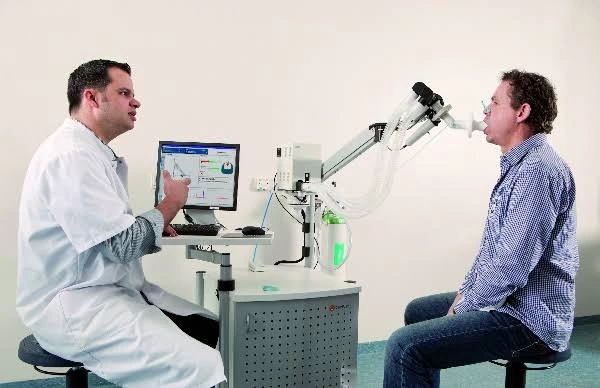
Healthy lungs are essential for maintaining overall well-being, as they supply oxygen to the body and remove carbon dioxide. However, respiratory conditions such as asthma, chronic obstructive pulmonary disease (COPD), bronchitis and pulmonary fibrosis can affect normal breathing and lung capacity. Identifying these problems early is important for preventing complications and managing respiratory health effectively. A Pulmonary function test in Mumbai helps evaluate lung capacity, airflow and breathing efficiency, allowing doctors to detect and monitor various respiratory conditions.
A pulmonary function test (PFT) is a group of diagnostic tests that measures how well the lungs work. These tests help doctors evaluate lung capacity, airflow and the ability of the lungs to transfer oxygen into the bloodstream. Patients looking for a Pulmonary function test in Mumbai can consult Dr. Parthiv Shah at Sparsh Super Speciality Lung Clinic for professional respiratory evaluation and personalised guidance.
What Is a Pulmonary Function Test?
A pulmonary function test is a non-invasive diagnostic investigation used to assess the functioning of the respiratory system. It measures how much air the lungs can hold, how quickly a person can breathe air out and how efficiently oxygen passes from the lungs into the bloodstream.
These tests help pulmonologists identify abnormalities in lung function and understand the severity of existing respiratory conditions.
Depending on the patient’s symptoms and medical history, the doctor may recommend one or more types of pulmonary function tests, including spirometry, diffusion studies and body plethysmography.
Why Are Pulmonary Function Tests Important?
Pulmonary function tests provide valuable information about respiratory health. They are recommended for individuals experiencing persistent breathing difficulties and patients diagnosed with chronic lung conditions.
Some important reasons for undergoing these tests include:
- Diagnosing Respiratory Conditions: PFTs help identify airflow obstruction and restrictive lung abnormalities associated with different respiratory diseases.
- Monitoring Asthma and COPD: Regular testing helps evaluate changes in lung function and assess how well treatment is working.
- Detecting Early Lung Damage: These investigations can identify changes in respiratory function before symptoms become severe.
- Evaluating Medication Effectiveness: Doctors may compare test results before and after administering bronchodilator medication.
- Assessing Environmental Exposure: PFTs can help evaluate lung damage associated with exposure to dust, chemicals, smoke and other harmful substances.
- Preoperative Assessment: Lung function testing helps determine whether a patient can safely tolerate certain surgical procedures.
Types of Pulmonary Function Tests
Different tests evaluate different aspects of lung function. Dr. Parthiv Shah may recommend specific investigations depending on the patient’s symptoms and clinical requirements.
1. Spirometry
Spirometry is one of the most commonly performed lung function tests. It measures the amount of air a person can inhale and exhale, along with the speed at which air can be expelled from the lungs.
During the procedure, the patient takes a deep breath and exhales forcefully into a mouthpiece connected to a spirometer. The test may be repeated several times to obtain consistent readings.
Important measurements include:
- Forced Vital Capacity (FVC): The total amount of air a person can forcefully exhale after taking a deep breath.
- Forced Expiratory Volume (FEV1): The amount of air exhaled during the first second of forced expiration.
- FEV1/FVC Ratio: The percentage of the total forced exhaled air expelled during the first second.
Spirometry is particularly useful for evaluating conditions such as asthma and COPD. A bronchodilator may also be administered to assess whether airflow improves after medication.
2. Diffusion Studies
Diffusion studies evaluate how efficiently oxygen moves from the air sacs in the lungs into the bloodstream. This test helps assess the lungs’ gas exchange capacity.
During the investigation, the patient breathes through a mouthpiece and follows specific instructions involving inhalation, a brief breath hold and exhalation.
Diffusion testing may be recommended when doctors suspect conditions affecting the lung tissue, including interstitial lung disease and pulmonary fibrosis.
3. Body Plethysmography
Body plethysmography is a specialised investigation that measures lung volumes and airway resistance.
During this test, the patient sits inside an enclosed transparent chamber and breathes through a mouthpiece. Changes in pressure help calculate the amount of air present in the lungs.
It provides information about:
- Total lung capacity.
- Residual lung volume.
- Air trapped inside the lungs.
- Airway resistance.
This investigation can be useful in evaluating obstructive and restrictive lung disorders.
Pulmonary Function Test in Mumbai: When Should You Consider It?
A doctor may recommend lung function testing when a patient experiences persistent respiratory symptoms or has a history of lung disease.
You may require an evaluation if you experience:
- Frequent breathlessness during physical activity.
- Persistent coughing or wheezing.
- Chest tightness or difficulty breathing.
- Recurrent respiratory infections.
- Reduced exercise tolerance.
- Exposure to occupational dust, smoke or chemicals.
- A known history of asthma, COPD or other chronic lung conditions.
Individuals with existing respiratory conditions may also require periodic Pulmonary function test in Mumbai to monitor disease progression, evaluate lung capacity and assess the effectiveness of ongoing treatment.
How to Prepare for a Pulmonary Function Test
Following the recommended preparation guidelines can help ensure accurate test results.
Some general precautions include:
- Avoid smoking for at least one hour before the test.
- Avoid alcohol consumption for at least four hours before the investigation.
- Do not perform strenuous physical exercise for approximately 30 minutes before testing.
- Wear comfortable, loose-fitting clothing that does not restrict breathing.
- Avoid eating a heavy meal within two hours of the test.
- Discuss your regular medications with your doctor before the appointment.
Patients undergoing diffusion studies may receive additional instructions, including temporary precautions regarding oxygen use. Never discontinue prescribed medication or oxygen therapy without medical advice.
Understanding Pulmonary Function Test Results
PFT results are interpreted by comparing the patient’s measurements with predicted values based on factors such as age, height and sex.
The doctor evaluates different parameters to identify possible abnormalities.
- Low FEV1/FVC Ratio: May suggest an obstructive lung condition.
- Reduced FVC: May indicate a restrictive pattern, although further testing is needed for confirmation.
- Abnormal Diffusion Capacity: May suggest impaired oxygen transfer across the lungs.
- Increased Residual Volume: May indicate air trapping, which can occur in obstructive lung diseases.
An abnormal result does not automatically confirm a particular disease. The findings must be interpreted alongside symptoms, clinical examination and other investigations.
Why Choose Dr. Parthiv Shah for Lung Function Testing?
Dr. Parthiv Shah is a consultant chest physician and pulmonologist with more than eight years of experience in respiratory medicine. He holds advanced qualifications in pulmonary medicine and specialises in diagnosing and managing a wide range of lung conditions.
His qualifications include:
- MBBS, Nashik (2010).
- MD in Pulmonary Medicine (2015).
- Fellowship in Pulmonary Diseases and Intensive Care Medicine, LTMG Hospital, Sion, Mumbai (2016).
- DNB in Pulmonary Medicine, New Delhi (2017).
- Diploma in Adult Respiratory Medicine, Europe (2019).
- FPCC qualification.
His clinical expertise includes managing allergies, asthma, COPD, multidrug-resistant tuberculosis (MDR-TB), pulmonary infections, obstructive sleep apnoea and other respiratory diseases.
He also performs specialised procedures such as bronchoscopy, thoracoscopy and pleural tapping. His services include allergy testing and sleep studies.
Patients seeking a Best Pulmonologist in Mumbai can benefit from his experience, patient-focused approach and emphasis on recommending investigations according to individual medical requirements.
Patient-Centred Respiratory Care at Sparsh Super Speciality Lung Clinic
Sparsh Super Speciality Lung Clinic provides focused respiratory consultation and diagnostic services for patients experiencing different lung-related concerns.
Dr. Parthiv Shah believes in transparent communication, personalised attention and avoiding unnecessary investigations. He evaluates each patient’s symptoms and medical history before recommending suitable diagnostic tests.
The clinic’s respiratory care services include pulmonary function testing, sleep studies, allergy testing and specialised pulmonary procedures. Patients receive medical guidance to understand their test findings and explore appropriate treatment options.
Those searching for an experienced Chest Physician in Borivali can consult Dr. Parthiv Shah for professional evaluation and management of respiratory conditions.
Benefits of Regular Lung Function Monitoring
For individuals with chronic respiratory diseases, regular monitoring can play an important role in long-term disease management.
Some benefits include:
- Tracking changes in lung capacity over time.
- Evaluating the effectiveness of prescribed treatment.
- Identifying deterioration in respiratory function.
- Supporting decisions about medication adjustments.
- Assessing respiratory fitness before selected medical procedures.
- Helping patients understand their lung health.
The frequency of testing depends on the patient’s diagnosis, symptoms and treatment plan.
Frequently Asked Questions (FAQs)
1. What is a pulmonary function test used for?
A pulmonary function test measures how well the lungs work. It evaluates lung capacity, airflow and oxygen transfer and helps diagnose or monitor conditions such as asthma, COPD and pulmonary fibrosis.
2. Is a pulmonary function test painful?
No. Most pulmonary function tests are non-invasive and painless. Patients may be asked to breathe deeply, hold their breath briefly or exhale forcefully into a testing device.
3. How long does a pulmonary function test take?
The duration depends on the type and number of tests recommended. Basic spirometry generally takes a few minutes, while comprehensive testing involving diffusion studies or body plethysmography may take longer.
4. Where can I get a pulmonary function test in Mumbai?
You can consult Dr. Parthiv Shah at Sparsh Super Speciality Lung Clinic in Borivali East, Mumbai, for respiratory evaluation and appropriate pulmonary function testing.
Book Your Appointment with Dr. Parthiv Shah
If you are experiencing breathing difficulties or need an assessment of your lung health, consult Dr. Parthiv Shah at Sparsh Super Speciality Lung Clinic.
With more than eight years of experience in respiratory medicine, he provides personalized evaluation and guidance for patients with different lung conditions.
Contact Details:
📞+91 90297 72904 | ☎️ +91 93242 47349
📧 info@drparthivshah.com
📍 Get Directions to the Clinic – Sparsh Super Speciality Lung Clinic