
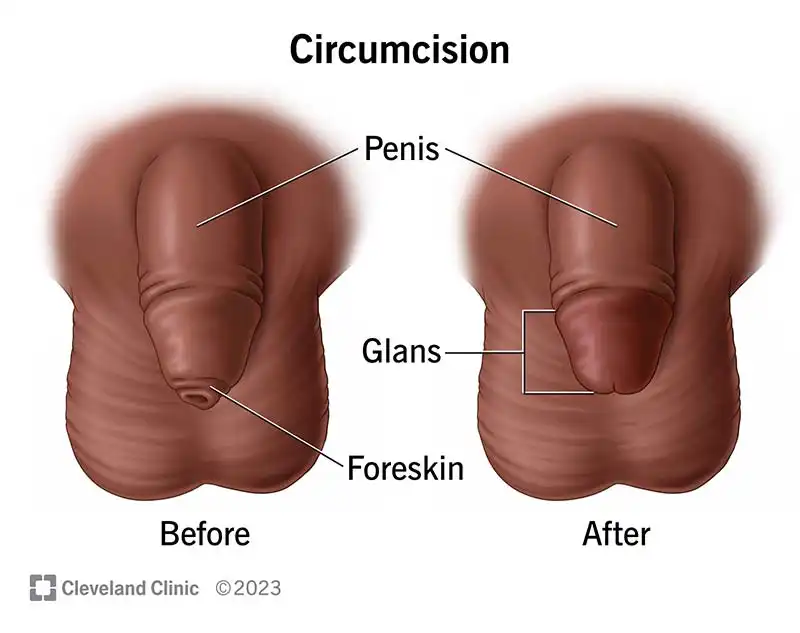
Circumcision is a common surgical procedure performed to remove the foreskin covering the head of the penis. It is recommended for certain medical conditions, including phimosis, recurrent foreskin infections, and scarring that causes discomfort or difficulty retracting the foreskin. When these conditions affect personal hygiene, urination, or sexual comfort, consulting an experienced urologist can help determine the appropriate treatment.
If you are considering Circumcision surgery in Mumbai, Dr. Vivek Venkat at Jewel Urology Center provides specialised urological consultations and surgical care. With advanced training in urology, uro-oncology, and robotic surgery, he focuses on accurate diagnosis, appropriate surgical techniques, and patient-centred treatment.
Circumcision may be performed using conventional surgical methods or selected newer techniques, depending on the patient’s condition. Understanding the procedure, benefits, preparation, and recovery can help patients make informed healthcare decisions.
Why Choose Circumcision Surgery in Mumbai at Jewel Urology Center?
Choosing an experienced urologist is important when considering surgery involving sensitive areas of the body. At Jewel Urology Center, patients can receive professional evaluation, personalised treatment recommendations, and guidance throughout the surgical journey.
Some important reasons to consult Dr. Vivek Venkat include:
- Specialised Urological Expertise: Dr. Venkat has advanced qualifications and international fellowship training in urology and uro-oncology.
- Individualised Assessment: Treatment recommendations are based on the patient’s symptoms, medical history, and examination findings.
- Modern Surgical Approaches: Conventional, stapler-assisted, and laser techniques may be considered where clinically appropriate.
- Patient-Focused Consultations: Patients receive explanations about the procedure, expected recovery, and possible complications.
- Comprehensive Urological Care: The centre provides access to specialist expertise across different urological conditions.
The focus is on identifying the underlying problem and recommending treatment that supports long-term comfort and urinary health.
Meet Dr. Vivek Venkat – Experienced Urologist in Mumbai
Dr. Vivek Venkat is a Consultant Uro-Oncologist and Robotic Urologist with extensive academic and clinical experience in India and the United States. His professional training includes advanced urological procedures, minimally invasive surgery, and the management of complex urinary and reproductive system conditions.
His qualifications include:
- MBBS: B.J. Medical College, Pune.
- MS in General Surgery: Seth G.S. Medical College and K.E.M. Hospital, Mumbai.
- M.Ch. in Urology: Christian Medical College (CMC), Vellore, where he received a Gold Medal.
- Fellowship in Urologic Oncology and Robotic Surgery: University of Miami Miller School of Medicine, USA.
- ECFMG Certification: United States.
Dr. Vivek Venkat previously served as Assistant Professor of Urology and Renal Transplantation at CMC Vellore. He also worked as a Clinical Instructor in Urologic Oncology and Robotic Surgery at the University of Miami Hospital.
His expertise includes prostate cancer, kidney cancer, bladder cancer, robotic surgery, minimally invasive urology, and complex urological procedures. He has participated in more than 800 robotic surgical cases.
Recognised as the Best Uro Oncologist in Mumbai, Dr. Vivek Venkat brings specialised surgical knowledge and evidence-based treatment principles to his clinical practice. Patients seeking the Best Uro Surgeon in Mumbai can consult him for an assessment of their urological concerns.
What Is Circumcision and Why Is It Required?
Circumcision involves surgically removing the foreskin, which is the retractable skin covering the glans or head of the penis. Although circumcision is sometimes performed for religious or personal reasons, it is also recommended for specific medical conditions.
Common medical reasons include:
- Phimosis: A condition in which the foreskin becomes too tight to retract comfortably over the head of the penis.
- Recurrent Balanitis: Repeated inflammation or infection of the foreskin and glans.
- Paraphimosis: A condition in which the retracted foreskin becomes trapped behind the glans and cannot return to its normal position.
- Frenulum Breve: A short or tight frenulum that can cause pain, tearing, or discomfort.
- Scarring Disorders: Conditions such as lichen sclerosus can cause foreskin scarring and progressive tightness.
Not every patient with a tight foreskin requires surgery. Depending on the diagnosis, medication and topical treatments may be considered before recommending circumcision.
How Is Circumcision Surgery Performed?
The procedure is generally performed as a daycare surgery, allowing most patients to return home on the same day.
At Jewel Urology Center, the surgical approach is selected according to the patient’s age, medical condition, and clinical requirements.
1. Pre-Surgical Evaluation
Before surgery, Dr. Vivek Venkat reviews the patient’s symptoms, medical history, and previous treatments. A physical examination helps assess the foreskin and identify any inflammation, infection, or scarring.
A urine test may be recommended if an infection is suspected. Patients should also inform the doctor about medications, allergies, and existing medical conditions.
2. Anaesthesia and Surgical Procedure
Adult circumcision is generally performed under local anaesthesia. The area around the base of the penis is numbed to minimise discomfort during surgery.
Once the anaesthesia takes effect:
- The surgical area is cleaned and prepared.
- The foreskin is carefully removed.
- The penile skin is sutured around the corona of the glans.
- The surgical area is dressed to support healing.
The procedure generally takes approximately 30–45 minutes. Patients are observed after surgery to check for bleeding and ensure they can pass urine comfortably.
3. Newer Circumcision Techniques
Depending on the patient’s requirements, newer surgical techniques may also be considered.
- Stapler Circumcision: A specialised stapling device is used to remove the foreskin and close the wound.
- Laser Circumcision: Selected laser-assisted techniques may be used for tissue cutting and surgical precision.
The most appropriate technique depends on the patient’s anatomy, clinical condition, and the surgeon’s assessment.
Benefits of Circumcision
When medically indicated, circumcision can provide several benefits, including:
- Relief from tight foreskin and difficulty retracting it.
- Reduced recurrence of certain foreskin infections.
- Improved ability to maintain penile hygiene.
- Relief from discomfort during erections in patients with symptomatic phimosis.
- Management of foreskin-related scarring conditions.
The procedure may also reduce the risk of certain urinary and genital infections in specific populations. However, individual benefits vary, and circumcision does not eliminate every risk of infection or sexually transmitted disease.
Recovery After Circumcision Surgery
Recovery is generally straightforward, although the healing period differs between individuals. Mild swelling, tenderness, and discomfort around the surgical area are common during the initial days.
After Circumcision surgery in Mumbai, Dr. Vivek Venkat may recommend antibiotics and pain-relieving medications for a short period, depending on the patient’s condition.
Important recovery guidelines include:
- Wear loose-fitting clothing to minimise friction.
- Keep the surgical area clean and follow dressing instructions.
- Avoid strenuous physical activities during the initial recovery period.
- Follow the prescribed medication schedule.
- Attend the recommended follow-up appointment.
- Avoid sexual activity until the wound has healed and the surgeon confirms it is safe, commonly around four to six weeks.
A follow-up examination is generally scheduled within two to three days to assess wound healing and dressing requirements.
Most patients can return to routine daily activities within approximately one week, depending on their recovery.
Contact your doctor promptly if you experience fever, increasing pain, excessive bleeding, difficulty passing urine, or unusual discharge.
Possible Risks and Complications of Circumcision
Like every surgical procedure, circumcision carries certain risks. Although complications are uncommon when performed by a qualified surgeon, patients should understand the possibilities before proceeding.
Potential complications include:
- Minor bleeding around the surgical site.
- Infection or delayed wound healing.
- Swelling and temporary tenderness.
- Changes in sensitivity around the glans.
- Scarring or cosmetic concerns.
- Rarely, complications requiring additional treatment.
Following medical instructions and attending scheduled follow-ups can help support proper healing.
Clinic Environment and Personalised Urological Care
Jewel Urology Center provides a specialist-focused environment where patients can discuss sensitive urological concerns with professional guidance. Circumcision consultations involve evaluating symptoms, explaining treatment alternatives, and discussing the procedure in a confidential and respectful manner.
Dr. Vivek Venkat combines his academic background, international surgical training, and experience in advanced urology to provide evidence-based care. His practice focuses on appropriate treatment selection, surgical precision, patient education, and follow-up support.
For patients exploring Circumcision surgery in Mumbai, consulting an experienced urologist helps ensure that the decision is based on medical requirements rather than assumptions or temporary discomfort.
When Should You Consult a Urologist?
You should consider consulting a urologist if you experience persistent foreskin tightness, pain during erections, repeated infections, difficulty maintaining hygiene, or discomfort while passing urine.
Early medical evaluation can help identify whether the condition requires medication, topical treatment, or surgery. Delaying treatment for severe phimosis or recurrent infections may lead to further discomfort and complications.
If you are searching for Circumcision surgery in Mumbai, Dr. Vivek Venkat can evaluate your condition and explain suitable treatment options. His specialised urological training and experience help patients understand the procedure and make informed decisions about their health.
Book Your Consultation with Dr. Vivek Venkat
Living with foreskin-related problems can affect personal comfort, hygiene, and everyday activities. Getting the right medical advice is an important step towards resolving these concerns.
Dr. Vivek Venkat at Jewel Urology Center offers specialised consultations and surgical treatment planning for patients experiencing phimosis, recurrent infections, and other foreskin-related conditions.
If you are considering Circumcision surgery in Mumbai, schedule a consultation with Dr. Vivek Venkat to discuss your symptoms, understand the available techniques, and receive personalised medical guidance.
Dr. Vivek Venkat – Jewel Urology Center
📞+91 9136041545
📧appointments@drvivekvenkat.com
📍Get Directions to the Clinic – Jewel Urology Center
Frequently Asked Questions (FAQs)
1. Is circumcision surgery painful?
Circumcision is generally performed under local anaesthesia, which numbs the surgical area. Patients may experience mild soreness, swelling, or tenderness after the procedure, which can usually be managed with prescribed medication.
2. How long does circumcision surgery take?
Adult circumcision generally takes around 30–45 minutes. It is usually performed as a daycare procedure, and patients can return home after post-operative observation.
3. How many days does it take to recover from circumcision?
Most patients can resume routine daily activities within approximately one week. Complete wound healing may take four to six weeks. The recovery period varies depending on individual healing and the surgical technique.
4. Is circumcision necessary for treating phimosis?
Not every case of phimosis requires surgery. Mild cases may respond to prescribed steroid creams and other conservative treatments. Circumcision may be recommended when symptoms persist or other treatments are unsuccessful.