
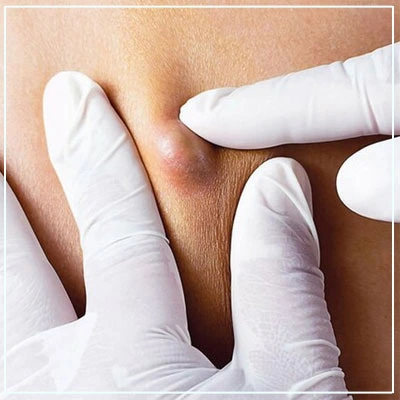
A small lump beneath the skin may appear harmless, but a cyst can sometimes become painful, inflamed, infected or cosmetically concerning. Skin cysts commonly develop on the face, neck, back and other parts of the body. While many do not require immediate treatment, persistent or uncomfortable cysts should be examined by a qualified dermatologist to determine the most suitable approach.
Cyst excision in Mumbai at Viva Aesthetic Clinic offers patients access to professional evaluation and treatment under the guidance of Dr. Deepam Shah, an experienced dermatologist, cosmetologist and hair transplant surgeon. The treatment approach is based on the cyst’s size, location, type and condition, helping patients understand their options before proceeding.
What Is a Skin Cyst?
A skin cyst is a closed, sac-like structure that develops beneath the skin. It may contain fluid, semi-solid material or keratin. Sebaceous cysts are commonly associated with blocked or damaged gland ducts, although some lumps described as cysts may actually be epidermoid or pilar cysts.
Most skin cysts are benign and may remain painless for a long time. However, they can gradually increase in size or become uncomfortable. A dermatologist should examine any new, changing or unusual lump rather than assuming it is a harmless cyst.
Common Causes of Sebaceous Cysts
Cysts can develop for several reasons. Some common contributing factors include:
- Blocked sebaceous gland ducts: A blocked or damaged duct can lead to material accumulating beneath the skin.
- Skin injuries: Scratches, acne or other forms of skin trauma may contribute to cyst formation.
- Hair follicle changes: Certain cysts develop from structures associated with hair follicles.
- Inherited conditions: Some genetic conditions may increase the likelihood of developing multiple cysts.
Identifying the type of lump is important because not every swelling beneath the skin requires the same treatment.
Signs That a Cyst May Need Medical Attention
Skin cysts can vary in size and appearance. They often look like small, round bumps beneath the skin and may feel firm or slightly soft when touched. Some have a tiny opening or dark spot on the surface.
You should consider consulting a dermatologist if you notice:
- A lump that is gradually increasing in size
- Redness, swelling or tenderness around the affected area
- Pain or discomfort when touching the cyst
- Pus or unusual discharge
- Repeated inflammation or recurrence
- A cyst located on a visible area, such as the face
Do not squeeze, puncture or attempt to remove a cyst at home. This can irritate the surrounding skin, introduce infection and make professional treatment more difficult.
Cyst Excision in Mumbai: Available Treatment Approaches
The appropriate treatment depends on whether the cyst is infected, inflamed, painful or simply causing concern because of its appearance. After examining the affected area, the dermatologist can explain the available options.
1. Medication
Medication may be recommended when a cyst is infected or inflamed. Antibiotics may help manage a bacterial infection, but they do not necessarily remove the cyst sac itself. The treatment plan should therefore be based on the dermatologist’s assessment.
2. Incision and Drainage
In this procedure, a small opening is made to release the material inside the cyst. It may help relieve pressure and discomfort, particularly in selected inflamed or infected cysts. However, drainage alone may leave the cyst wall behind, which means the cyst can return.
3. Surgical Excision
Surgical removal may be recommended when a cyst is persistent, recurrent or causing discomfort. The procedure involves removing the cyst and, where appropriate, its surrounding sac or wall. Complete removal of the cyst wall can help reduce the possibility of recurrence.
4. Minimal Excision
For selected cysts, a smaller incision may be suitable. The dermatologist determines whether this approach is appropriate based on the cyst’s size, location and condition. The goal is to remove the cyst while limiting unnecessary disruption to the surrounding skin.
5. Laser-Assisted Removal
Certain laser-assisted approaches may be considered in selected cases. The suitability of this method depends on the cyst and the clinical assessment. Patients should discuss the benefits, limitations and recurrence considerations before choosing a technique.
What to Expect During the Procedure
Cyst excision in Mumbai generally begins with a consultation and examination of the affected area. The dermatologist checks the lump’s size, location, appearance and signs of inflammation or infection.
When surgical removal is appropriate, the area is commonly numbed using local anaesthesia. A small incision is then made to access and remove the cyst. Depending on the technique and size of the incision, sutures may be required.
The procedure and recovery experience can differ from one patient to another. Your dermatologist will explain the expected steps, possible scarring and aftercare instructions before treatment.
Recovery and Aftercare Following Cyst Removal
Healing depends on the cyst’s size, location, removal technique and individual skin response. The treatment information provided by Viva Aesthetic Clinic indicates that recovery may take approximately one to two weeks, although the timeline can vary.
Following the procedure, patients may be advised to:
- Keep the treated area clean and follow the clinic’s wound-care instructions.
- Use prescribed ointments or medication as directed.
- Avoid touching, squeezing or scratching the wound.
- Follow instructions regarding water exposure and dressing changes.
- Attend follow-up appointments if advised.
- Contact the clinic if increasing redness, pain, swelling, fever or discharge develops.
A small scar may remain after surgical removal. Your dermatologist can discuss scar-care options once the wound has healed sufficiently.
Why Choose Dr. Deepam Shah at Viva Aesthetic Clinic?
Dr. Deepam Shah is an MD, DNB and FAM-qualified dermatologist, cosmetologist and hair transplant surgeon. He completed his MBBS from the University of Bombay in 2010 and DNB in Dermatology and Venereology from the University of Delhi in 2014. He also holds a Fellowship in Aesthetic Medicine and Hair Transplant from ILAMED.
With over a decade of experience in skin and hair treatments, Dr. Deepam Shah focuses on understanding the underlying concern and recommending an appropriate treatment plan. His recognitions include a Silver Medal in the MUHS examination and Best Post Graduate Student recognition from the Galderma Institute.
As a Skin Specialist in Mumbai, he also has expertise in dermatology and dermatosurgical procedures. His clinic’s dermatosurgery facilities are equipped for procedures such as sebaceous cyst removal, lipoma removal, scar excision and abscess drainage.
Viva Aesthetic Clinic provides a professional treatment environment in a 1,000 sq. ft. facility equipped with advanced medical devices and laser technology. The clinic’s trained team supports patients through consultation, treatment planning and aftercare.
Patients considering Cyst excision in Mumbai can benefit from an individual assessment to understand the nature of the lump and whether removal is necessary. Dr. Deepam Shah’s approach emphasises patient education and treatment planning according to individual needs.
Book a Consultation for Cyst Removal
If you have a persistent, painful or inflamed skin lump, professional evaluation can help identify the problem and determine the next step. Consult Dr. Deepam Shah at Viva Aesthetic Clinic to discuss suitable treatment options, expected recovery and aftercare.
For Cyst excision in Mumbai, contact the clinic to schedule an appointment:
Viva Aesthetic Clinic – Dr. Deepam Shah
📞 +91 93245 89084 | 022 3573 1556
📧 clinicvivacosmetic@gmail.com
Get Directions to the Clinic: Viva Aesthetic Clinic, Mumbai
Frequently Asked Questions
1. Is cyst excision a painful procedure?
The procedure is generally performed under local anaesthesia, which numbs the treatment area. Some mild discomfort, tenderness or swelling may occur afterward. Your dermatologist will explain what to expect.
2. How long does it take to recover after cyst removal?
The clinic’s treatment information indicates that healing may take around one to two weeks. Recovery varies according to the cyst’s size, location, removal technique and individual healing response.
3. Can a cyst return after surgical removal?
A cyst may recur if its wall or sac is not completely removed. Surgical excision that removes the cyst wall can help reduce the risk of recurrence, although no procedure can guarantee that a cyst will never return.
4. Should every skin cyst be removed?
No. Many skin cysts are harmless and do not require treatment. Removal may be considered if a cyst becomes painful, infected, recurrent, grows in size or causes cosmetic concern. A dermatologist can assess whether treatment is necessary.