
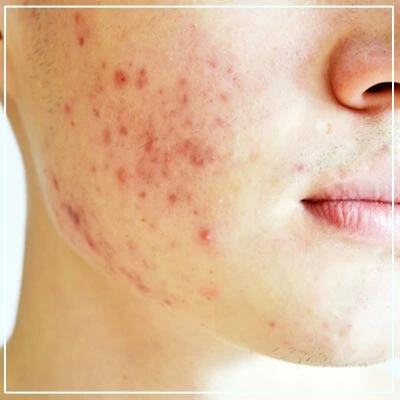
Acne is one of the most common skin concerns, affecting teenagers as well as adults. While occasional pimples may settle on their own, persistent or severe acne can cause inflammation, pigmentation, scarring, and emotional distress. Effective acne treatment therefore requires more than simply applying over-the-counter products—it requires identifying the type and underlying triggers of acne and choosing treatment according to its severity.
At Viva Aesthetic Clinic, Dr. Deepam Shah provides dermatological evaluation and personalized acne treatment for patients in South Mumbai. His approach focuses on understanding the underlying cause of a skin condition and selecting appropriate treatment with the aim of achieving healthier skin while minimizing unnecessary medication.
The Best Acne Doctor In South Mumbai, choosing a qualified dermatologist with experience in medical, aesthetic, and laser-based skin treatments can be an important first step.
What Is Acne?
Acne develops when hair follicles and pores become clogged with oil, dead skin cells, and other substances. Hormonal activity can increase oil production and contribute to inflammation, making acne particularly common during adolescence and young adulthood.
However, acne can occur at virtually any age. Genetics, hormonal fluctuations, stress, humidity, certain personal-care products, medications, and environmental factors can contribute to breakouts.
Acne commonly affects the:
- Face
- Forehead
- Chest
- Shoulders
- Upper back
The appearance and severity of acne vary from person to person, which is why treatment should be customized rather than based on a one-size-fits-all routine.
Different Types of Acne
Understanding the type of acne is important when developing a treatment plan.
Blackheads
Blackheads are open clogged pores containing oil and dead skin cells. Their dark appearance does not mean that the skin is dirty; it results from changes associated with the material inside the open follicle.
Whiteheads
Whiteheads occur when clogged pores remain closed at the surface, creating small raised bumps.
Papules
Papules are small, inflamed red or pink bumps that can be tender.
Pustules
Pustules contain pus and are surrounded by inflammation. Picking or squeezing them can increase the risk of pigmentation and scarring.
Nodules and Cysts
Nodules are larger, solid, painful lesions beneath the skin, while cysts are deeper, pus-filled lesions. These forms of acne can increase the risk of permanent scarring and may require specialist treatment.
What Causes Acne?
Acne usually develops because of several interacting factors rather than one single cause.
Hormonal Changes
Androgen hormones can stimulate oil glands, increasing sebum production. Hormonal fluctuations around menstruation can also trigger or worsen acne in some women.
Genetics
A family history of acne can increase susceptibility.
Stress
Stress may contribute to acne flare-ups through hormonal changes and other physiological effects.
Humidity and Pollution
Mumbai’s humid climate and environmental pollution can potentially aggravate acne-prone skin in some individuals.
Skincare and Hair Products
Heavy creams, oily cosmetics, hair waxes, and pomades can contribute to blocked pores in susceptible individuals.
Certain medications can also trigger acne-like eruptions, making a detailed medical history an important part of evaluation.
How Is Acne Diagnosed?
Acne can generally be diagnosed through a clinical skin examination. A dermatologist evaluates the type, distribution, severity, inflammation, pigmentation, and presence of scars.
The doctor may also ask about:
- When the acne started
- Previous treatments
- Family history
- Menstrual-cycle-related flare-ups
- Current medications
- Skincare products
- Stress and lifestyle factors
Sudden severe acne in an older adult may sometimes warrant investigation for an underlying condition, depending on the patient’s history and other symptoms.
Acne Treatment Should Be Personalized
The right treatment depends on whether acne is mild, moderate, or severe and whether the patient has active acne, pigmentation, or established scars.
Treatment may involve topical medications, oral medicines, chemical peels, laser procedures, or a combination of approaches.
Topical Treatments
Depending on the diagnosis, dermatologists may recommend ingredients such as benzoyl peroxide, topical antibiotics, tretinoin, or other prescription therapies.
Benzoyl peroxide can help reduce acne-causing bacteria and clear clogged pores. Tretinoin, a vitamin-A derivative, is particularly useful for comedonal acne and helps prevent pores from becoming blocked.
Prescription treatment should be used according to a dermatologist’s instructions, especially when combining multiple active ingredients.
Oral Acne Medications
Moderate-to-severe acne may sometimes require oral medication.
Depending on the individual case, dermatologists may consider oral antibiotics or other prescription treatments. Isotretinoin is one of the most effective treatments for severe acne but requires careful medical supervision because it has important precautions and potential side effects. The Viva Aesthetic Clinic’s acne information specifically notes pregnancy precautions associated with isotretinoin.
Women with hormonally influenced acne may sometimes benefit from specific hormonal treatments after appropriate evaluation.
Chemical Peels for Acne-Prone Skin
Chemical peels use selected chemical solutions to remove damaged superficial skin layers. Depending on the formulation and patient’s skin condition, they may be incorporated into an acne or post-acne treatment plan.
A dermatologist should determine whether a peel is suitable based on skin type, active acne, sensitivity, pigmentation, and the desired outcome.
Acne Scar Treatment
Treating active acne early is important because severe or repeatedly inflamed acne can leave permanent scars.
Once active acne is controlled, treatment can focus on residual scars and pigmentation.
Depending on scar type and skin characteristics, treatment may include procedures such as fillers, lasers, or other dermatological techniques. Viva Aesthetic Clinic describes fillers for selected depressed acne scars and laser-based approaches for scar remodeling.
Laser treatment may stimulate collagen remodeling and help improve the appearance of certain acne scars. The appropriate laser and settings depend on the patient’s skin type and scar characteristics.
Why Treat Acne Early?
Acne should not always be considered a temporary cosmetic problem. Persistent inflammatory acne can contribute to:
- Post-inflammatory pigmentation
- Depressed scars
- Raised scars in some individuals
- Recurrent painful lesions
- Emotional distress
- Reduced confidence
Early dermatological assessment can help reduce the risk of uncontrolled acne and unnecessary scarring.
Importantly, squeezing or repeatedly picking pimples can worsen inflammation and increase the possibility of marks and scars.
About Dr. Deepam Shah
Dr. Deepam Shah is a dermatologist, cosmetologist, and hair transplant surgeon practicing in South Mumbai. According to his professional profile, he has over a decade of experience in skin and hair treatments.
His qualifications include:
- MBBS – University of Bombay, Mumbai, 2010
- DNB – Dermatology & Venereology, University of Delhi, 2014
- FAM – Fellowship in Aesthetic Medicine, Hair Transplant, Dermatology & Cosmetology, ILAMED, 2014
He has also received recognition including the Best Post Graduate Student for Galderma Institute and a Silver Medal in the MUHS Examination, Mumbai.
His areas of expertise include dermatology, cosmetology, dermatosurgery, laser treatments, aesthetic medicine, hair transplantation, and other skin and hair procedures.
His profile emphasizes understanding the root cause of skin and hair concerns and providing personalized treatment. He is also involved in educational activities through conferences, seminars, social channels, and other public platforms.
Viva Aesthetic Clinic: Modern Dermatology Environment
Viva Aesthetic Clinic was founded by Dr. Deepam Shah and is described as a 1,000-square-foot clinic equipped with state-of-the-art lasers and medical devices. The clinic states that treatments are delivered by trained and qualified doctors and beauty professionals.
The clinic’s focus on modern dermatology and aesthetic technology provides patients with access to both medical and procedural approaches to skin concerns.
For individuals looking for a Dermatologist and Skin Specialist in Mumbai, factors such as qualifications, experience, treatment options, clinical assessment, and the suitability of a procedure for their particular skin type should be considered.
Patients searching for a Dermatologist in Mumbai should also remember that effective acne management often requires patience. Results can take time, and treatment plans may need adjustment as the skin responds.
Acne Treatment in South Mumbai
Viva Aesthetic Clinic has locations in Opera House and Colaba, providing access to dermatological and aesthetic services in South Mumbai.
A consultation can help determine whether your acne is primarily comedonal, inflammatory, hormonal, nodular, cystic, or associated with another skin condition.
Schedule Your Acne Consultation Today
Don’t let persistent acne, painful breakouts, or acne scars affect your confidence. A professional dermatological assessment can help identify the underlying factors contributing to your acne and create a treatment plan suited to your skin.
Consult Dr. Deepam Shah at Viva Aesthetic Clinic
📞 93245 89084 | ☎️ 022 3573 1556
📧 clinicvivacosmetic@gmail.com
📍 Visit: Viva Aesthetic Clinic, Opera House or Colaba, Mumbai
If you are searching for the Best Acne Doctor In South Mumbai, Dr. Deepam Shah offers personalized dermatological and aesthetic care backed by formal dermatology training, more than a decade of experience, and access to advanced skin-treatment technology.
Frequently Asked Questions
1. Can acne be completely cured?
Acne can often be effectively controlled, but the appropriate treatment depends on its cause and severity. Some patients require ongoing maintenance treatment to prevent recurrence. Early management can also help reduce the risk of scarring.
2. Should I pop or squeeze pimples?
It is generally better to avoid squeezing or picking acne lesions. Manipulating inflamed pimples can worsen inflammation and increase the risk of pigmentation and scarring.
3. When should I see a dermatologist for acne?
Consider a dermatology consultation if acne is persistent, painful, worsening, leaving marks or scars, affecting your confidence, or not responding to basic skincare. Nodules and cysts particularly warrant professional assessment.
4. Can acne scars be treated?
Yes. Depending on the type and depth of the scar, dermatologists may consider treatments such as fillers, lasers, chemical peels, or other procedures. The appropriate treatment depends on your skin type and individual scar pattern.