
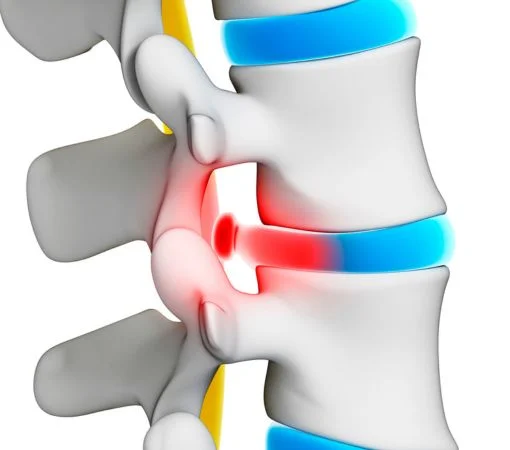
A slip disc, also known as a herniated or prolapsed intervertebral disc, is one of the most common causes of persistent back pain, neck pain, and radiating pain into the arms or legs. Although many patients improve with conservative treatment, some require specialized evaluation to prevent long-term nerve damage and restore mobility. Consulting the Best doctor for slip disc in Mumbai ensures an accurate diagnosis, evidence-based treatment planning, and access to advanced spine care tailored to the patient’s condition.
At Synapse Spine, patients benefit from a multidisciplinary approach where experienced spine specialists evaluate each case individually. Using advanced imaging, minimally invasive techniques, and personalized rehabilitation programs, the team focuses on relieving pain while preserving spinal function and improving quality of life.
Why Choose the Best Doctor for Slip Disc in Mumbai?
A slip disc occurs when the soft inner portion of a spinal disc protrudes through its outer layer, placing pressure on nearby nerves. Depending on the location of the affected disc, patients may experience neck pain, lower back pain, numbness, tingling, muscle weakness, or pain radiating into the arms or legs.
The Best doctor for slip disc in Mumbai evaluates not only the MRI findings but also the patient’s symptoms, neurological examination, activity level, and overall health before recommending the most appropriate treatment plan.
What Causes a Slip Disc?
Several factors can contribute to disc herniation, including:
- Age-related degeneration
- Sudden lifting of heavy objects
- Poor posture
- Repetitive spinal strain
- Obesity
- Sedentary lifestyle
- Sports injuries
- Trauma or accidents
- Smoking, which accelerates disc degeneration
Understanding the underlying cause helps guide both treatment and long-term prevention.
Common Symptoms of a Slip Disc
Symptoms vary depending on the location and severity of nerve compression.
Common signs include:
- Persistent lower back pain
- Neck pain
- Pain radiating to the arms or legs (sciatica)
- Tingling or numbness
- Muscle weakness
- Difficulty walking
- Reduced flexibility
- Pain while coughing or sneezing
- Difficulty standing for prolonged periods
Emergency symptoms such as loss of bladder or bowel control or sudden severe weakness require immediate medical attention.
How Is a Slip Disc Diagnosed?
Accurate diagnosis involves a combination of medical history, physical examination, and imaging studies.
Investigations may include:
- Neurological examination
- MRI scan
- CT scan (when indicated)
- X-rays
- Nerve conduction studies in selected cases
A comprehensive assessment helps determine the severity of nerve compression and whether conservative or surgical treatment is appropriate.
Treatment Options for Slip Disc
Most patients improve with non-surgical treatment.
Conservative Management
Initial treatment may include:
- Activity modification
- Pain-relieving medications
- Anti-inflammatory medicines
- Physiotherapy
- Core strengthening exercises
- Lifestyle modifications
- Posture correction
Minimally Invasive Procedures
For persistent symptoms, image-guided injections or minimally invasive interventions may help reduce inflammation and improve pain.
Spine Surgery
Surgery may be recommended when:
- Severe nerve compression is present
- Progressive muscle weakness develops
- Conservative treatment fails
- Persistent disabling pain affects daily life
- Cauda equina syndrome is suspected
Modern techniques such as minimally invasive spine surgery and endoscopic spine surgery aim to reduce tissue damage, shorten hospital stays, and support faster recovery where appropriate.
About Synapse Spine Surgeons
Choosing experienced spine specialists is essential for achieving safe and successful outcomes.
The Synapse Spine surgeons are highly qualified specialists with advanced training in spinal disorders, minimally invasive spine surgery, endoscopic spine surgery, deformity correction, and complex spinal procedures. They follow evidence-based protocols and multidisciplinary decision-making to provide personalized treatment for each patient.
Qualifications
The spine surgeons at Synapse Spine have extensive medical education and specialized training in orthopedic spine surgery and neurosurgical spine care. They regularly participate in national and international academic conferences and continuing medical education programs to stay updated with the latest advances in spinal surgery and rehabilitation.
Clinical Experience
With extensive clinical experience, the team has managed thousands of patients with slip discs, spinal stenosis, scoliosis, cervical disorders, lumbar spine conditions, spinal trauma, and degenerative spine diseases. Their expertise ranges from conservative treatment to advanced minimally invasive surgical procedures.
Expertise
The Synapse Spine surgeons specialize in:
- Slip disc treatment
- Cervical disc disorders
- Lumbar disc herniation
- Sciatica management
- Endoscopic spine surgery
- Minimally invasive spine surgery
- Spinal deformity correction
- Scoliosis treatment
- Spinal fusion surgery
- Revision spine surgery
- Spine rehabilitation
- Complex spinal disorders
Recognized among the Top Spine Specialists in Mumbai, India, the team is committed to restoring mobility while minimizing recovery time through modern surgical techniques and individualized care.
Clinic Environment
Synapse Spine provides a modern, patient-centric environment equipped with advanced diagnostic imaging, state-of-the-art operating facilities, minimally invasive surgical technology, rehabilitation services, and multidisciplinary spine care. The clinic emphasizes patient education, precision diagnosis, evidence-based treatment, and comprehensive postoperative rehabilitation to support long-term spinal health.
Recovery After Slip Disc Treatment
Recovery depends on the severity of the condition and the chosen treatment.
Patients are generally advised to:
- Follow physiotherapy regularly
- Maintain proper posture
- Avoid heavy lifting
- Strengthen core muscles
- Walk regularly
- Maintain a healthy body weight
- Follow ergonomic workplace practices
- Attend scheduled follow-up appointments
Consistent rehabilitation plays an important role in preventing recurrence.
Preventing Future Slip Disc Problems
Although not all cases are preventable, healthy habits reduce the risk of recurrence.
Helpful preventive measures include:
- Exercise regularly
- Maintain ideal body weight
- Lift objects correctly
- Avoid prolonged sitting
- Strengthen abdominal and back muscles
- Stop smoking
- Practice proper workplace ergonomics
Early medical evaluation for persistent back pain can also prevent disease progression.
Why Patients Choose Synapse Spine
Patients trust Synapse Spine because of its commitment to:
- Comprehensive spine evaluation
- Personalized treatment plans
- Advanced minimally invasive techniques
- Multidisciplinary spine care
- Evidence-based treatment
- Modern surgical technology
- Comprehensive rehabilitation
- Long-term patient follow-up
The goal is to relieve pain, restore function, and help patients safely return to their daily activities.
Contact Synapse Spine
📞 +91 81698 45056 | +91 93726 71858 | +91 93211 24611
📧 synapsespine@gmail.com
Get Directions to the Clinic – Synapse Spine, Mumbai
If you are experiencing persistent back pain, neck pain, sciatica, numbness, or weakness due to a slip disc, schedule a consultation with the experienced spine specialists at Synapse Spine. Early diagnosis and individualized treatment can help relieve symptoms, improve mobility, and reduce the need for extensive surgery. Receive expert spine care from the Synapse Spine surgeons and take the first step toward a healthier, pain-free life.
Frequently Asked Questions
1. What is a slip disc?
A slip disc, also called a herniated or prolapsed disc, occurs when the inner portion of a spinal disc protrudes through its outer layer and compresses nearby nerves, causing pain or neurological symptoms.
2. Does every slip disc require surgery?
No. Most patients improve with medications, physiotherapy, activity modification, and rehabilitation. Surgery is considered only when symptoms persist or significant nerve compression develops.
3. How long does recovery take after slip disc treatment?
Recovery varies depending on the severity of the condition and the treatment chosen. Many patients improve within weeks with conservative care, while surgical recovery depends on the procedure performed.
4. When should I consult a spine specialist?
You should seek specialist evaluation if back or neck pain persists, radiates into the limbs, is associated with numbness or weakness, or interferes with daily activities despite conservative treatment.