
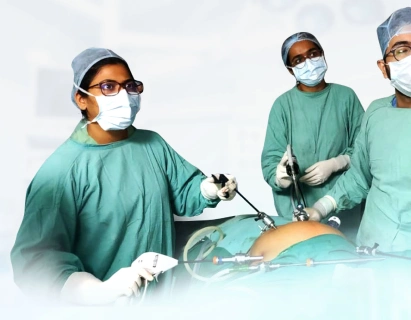
Women experiencing uterine fibroids, heavy menstrual bleeding, endometriosis, or other complex gynaecological conditions may benefit from advanced surgical evaluation. Robotic-assisted surgery is one option for selected patients, offering the surgeon enhanced visualisation and precise instrument control during certain procedures. If you are searching for the best robotic gynaecologist in mumbai, Dr. Maitreyee Parulekar at Kirit Nursing Home can help you understand your diagnosis, explore suitable treatments, and make an informed decision about surgery.
Robotic gynaecological surgery is a form of minimally invasive surgery in which a trained surgeon controls robotic instruments from a console. The robotic system does not operate independently. The surgeon remains responsible for every movement and decision throughout the procedure. Whether robotic surgery is appropriate depends on the condition being treated, its complexity, the patient’s medical history, and the availability of suitable surgical facilities.
What Is Robotic Gynaecological Surgery?
Robotic-assisted gynaecological surgery uses small incisions, a camera that provides magnified three-dimensional visualisation, and specialised instruments controlled by the surgeon. It may be used for selected procedures involving the uterus, ovaries, fallopian tubes, and surrounding pelvic structures.
Depending on the diagnosis, robotic surgery may be considered for:
- Hysterectomy: Removal of the uterus when medically indicated.
- Myomectomy: Removal of uterine fibroids while preserving the uterus.
- Endometriosis surgery: Removal of endometriosis deposits and adhesions in suitable cases.
- Complex pelvic surgery: Procedures requiring careful dissection around delicate tissues.
- Selected gynaecological cancer surgeries: Operations planned according to the type and stage of cancer and established oncological principles.
Robotic surgery is not necessary for every gynaecological condition. Medication, observation, conventional laparoscopy, or open surgery may be more appropriate in some cases. The recommended treatment should be based on clinical evidence and the patient’s individual needs.
Benefits of Robotic-Assisted Gynaecological Surgery
For appropriately selected patients, robotic-assisted surgery may offer several potential advantages over open surgery.
Smaller incisions: Many robotic procedures use small abdominal incisions rather than a large incision. This may reduce wound-related discomfort and visible scarring.
Enhanced visualisation: Magnified three-dimensional views help the surgeon examine pelvic anatomy and identify important structures during complex procedures.
Precise instrument movement: Robotic instruments allow controlled movements and articulation in confined areas of the pelvis, which can be useful during technically demanding operations.
Potentially easier recovery: Compared with open surgery, minimally invasive approaches may reduce postoperative pain, shorten hospital stays, and support an earlier return to normal activities for suitable patients.
These benefits are not guaranteed. Outcomes depend on the operation, the patient’s health, the surgeon’s expertise, and the presence of complications. Robotic surgery also has risks, including bleeding, infection, anaesthesia-related complications, and injury to nearby organs.
Why Choose Dr. Maitreyee Parulekar?
Dr. Maitreyee Parulekar is a gynaecological surgeon specialising in gynaecological oncology and minimally invasive surgery, including laparoscopic and robotic techniques for selected benign and cancer-related conditions.
Her qualifications include MBBS, MS in Obstetrics and Gynaecology from Seth GS Medical College and KEM Hospital, Mumbai, MRCOG (UK), and FMAS from Maharashtra University of Health Sciences. She completed specialised fellowship training in gynaecological oncosurgery and robotic surgery at Seoul National University Hospital in South Korea. She also undertook visiting scholar training in minimally invasive gynaecology at Mount Sinai Hospital and Women’s College Hospital in Toronto, Canada.
Dr. Parulekar earned a university gold medal for her postgraduate training in Obstetrics and Gynaecology. Her academic and research contributions include publications in peer-reviewed journals covering areas such as endometriosis surgery, maternal health, and gynaecological conditions.
Her clinical expertise includes robotic and laparoscopic surgery, hysterectomy, fibroid treatment, endometriosis management, fertility-preserving procedures, and the surgical management of selected gynaecological cancers.
For patients looking for a Top Gynae Oncologist In Mumbai, it is important to consider specialised training, experience relevant to the diagnosis, and a clear explanation of treatment alternatives. Dr. Parulekar’s background in both minimally invasive surgery and gynaecological oncology helps inform treatment planning for a range of conditions.
Conditions That May Require Robotic Surgery
Uterine fibroids
Fibroids are non-cancerous growths in or around the uterus. They can cause heavy periods, pelvic pressure, pain, or fertility concerns. Depending on their size, number, location, and the patient’s plans for future pregnancy, treatment may involve medication, myomectomy, hysterectomy, or another approach. Robotic assistance may be considered for selected complex cases.
Endometriosis
Endometriosis occurs when tissue similar to the uterine lining grows outside the uterus. It can cause painful periods, chronic pelvic pain, and sometimes fertility difficulties. Surgery may be considered when symptoms persist or when other clinical factors warrant it. The approach depends on the location and extent of disease.
Conditions requiring hysterectomy
A hysterectomy may be recommended for selected cases of severe bleeding, adenomyosis, fibroids, uterine prolapse, or certain cancers. The decision requires a discussion of alternatives, risks, and the fact that removing the uterus permanently ends the ability to carry a pregnancy.
Gynaecological cancers
Some patients with uterine or other gynaecological cancers may be candidates for minimally invasive surgery. The cancer’s type and stage, the need for lymph-node assessment, and established cancer-treatment guidelines determine the appropriate approach. Robotic surgery should only be used when it is oncologically suitable.
What to Expect During Your Consultation
At your consultation, Dr. Parulekar may review your symptoms, medical history, previous investigations, fertility goals, and any treatment you have already received. Depending on the condition, evaluation may include a pelvic examination, ultrasound, MRI, blood tests, biopsy, or other investigations.
The consultation is an opportunity to discuss whether robotic surgery is suitable, whether non-surgical or alternative surgical options are available, and what the recovery process may involve. You should also ask about possible complications, the expected hospital stay, postoperative restrictions, and follow-up care.
Patients seeking a Robotic Gynecologist In Vile Parle, Mumbai can contact the clinic to arrange an appointment and discuss the most appropriate next step. Surgery is planned in the relevant hospital setting based on the patient’s condition and the procedure required.
Recovery and Follow-Up
Recovery varies according to the procedure and the patient’s general health. Many patients undergoing minimally invasive surgery can resume light activities earlier than patients undergoing open surgery, but individual recovery timelines differ.
After surgery, follow your doctor’s instructions regarding medication, wound care, physical activity, lifting, driving, and returning to work. Attend follow-up appointments so that your recovery can be assessed and any concerns addressed promptly.
Seek medical advice if you experience fever, worsening pain, heavy bleeding, unusual wound discharge, or other unexpected symptoms after surgery. Emergency symptoms require urgent medical attention.
Schedule Your Consultation Today
If a gynaecological condition is affecting your comfort, daily routine, or quality of life, a specialist consultation can help you understand your options. Dr. Maitreyee Parulekar provides evaluation and treatment planning for benign gynaecological conditions and selected complex cases requiring minimally invasive or robotic surgery.
For patients researching the best robotic gynaecologist in mumbai, the next step is to discuss your diagnosis, treatment goals, and the suitability of robotic surgery with an experienced specialist.
Book your consultation with Dr. Maitreyee Parulekar at Kirit Nursing Home.
Call: +91 72087 27500
Email: info@drmaitreyeegynec.in
📍 Get directions to Kirit Nursing Home
Frequently Asked Questions
1. What is robotic gynaecological surgery?
It is a minimally invasive surgical approach in which a surgeon controls robotic instruments and uses a magnified three-dimensional view to perform selected gynaecological procedures through small incisions.
2. Is robotic surgery suitable for every patient?
No. Suitability depends on the diagnosis, disease complexity, medical history, and surgical goals. Your doctor may recommend medication, conventional laparoscopy, open surgery, or another treatment instead.
3. Does robotic gynaecological surgery offer a faster recovery?
It may allow a shorter hospital stay and quicker recovery than open surgery for suitable patients. However, recovery varies by procedure and individual health, and no specific timeline can be guaranteed.
4. How can I book an appointment with Dr. Maitreyee Parulekar?
Call +91 72087 27500 or email info@drmaitreyeegynec.in to arrange a consultation at Kirit Nursing Home in Vile Parle East, Mumbai.