
Acne is not limited to the face. Pimples, blackheads, whiteheads, inflamed bumps and cysts can also develop on the back, chest, shoulders, upper arms and buttocks. Because body skin is exposed to sweat, friction, oil and occlusive products, these breakouts can sometimes become persistent or leave behind marks and scars. Seeking professional body acne treatment in mumbai can help identify the factors contributing to breakouts and create a treatment plan suited to your skin type and acne severity. Dr. Niketa Sonavane at Ambrosia Aesthetics provides personalised dermatological care for acne and other skin concerns.
What Is Body Acne?
Body acne occurs when hair follicles become blocked with sebum, dead skin cells and other debris. Acne may appear on areas such as the back, chest, shoulders, arms and buttocks. Some people experience facial and body acne together, while others may have breakouts predominantly on the body.
Back acne, sometimes called “bacne,” can range from small comedones and pimples to inflamed pustules, nodules and cysts. In more persistent cases, acne can also result in post-inflammatory pigmentation and scarring.
Body acne is common in both men and women and may continue beyond the teenage years. The treatment approach depends on the type and severity of acne and its underlying triggers.
What Causes Acne on the Body?
Several factors can contribute to body acne. Understanding these factors is important because simply treating visible pimples may not address why they keep returning.
Excess Oil and Oily Skin
Sebaceous glands produce sebum, an oily substance that helps protect the skin. Excess sebum can contribute to clogged follicles and acne formation. However, body acne can also occur in people who do not have an obviously oily skin type.
Hormonal Changes
Hormonal fluctuations can influence oil production and acne activity. Acne is particularly common during adolescence and early adulthood, but hormonal acne may continue later in life. Conditions such as PCOS may also be associated with acne in some women.
Sweat, Heat and Friction
Mumbai’s warm and humid climate, exercise and prolonged sweating can make acne-prone skin more difficult to manage. Tight clothing, backpacks and repeated friction may further irritate areas prone to breakouts.
Hair and Body Products
Hair oils, pomades, heavy body lotions and certain cosmetic products can transfer to the skin and potentially contribute to pore congestion. Choosing non-comedogenic products may be useful for acne-prone skin.
Genetics
A family history of acne may increase the likelihood of developing persistent or severe breakouts. Genetics can influence oil production, inflammation and the tendency to develop acne.
How Is Body Acne Diagnosed?
A dermatologist generally begins with a detailed examination of the affected areas. The doctor may assess the type of acne, its severity, duration, previous treatments and whether marks or scars are present.
In selected patients, further evaluation may be appropriate when hormonal disturbances, nutritional deficiencies or another underlying condition is suspected. Dr. Niketa Sonavane’s published approach emphasises identifying potential internal contributors and developing personalised treatment plans rather than using the same treatment for every patient.
Treatment Options for Body Acne
There is no single treatment that is appropriate for every patient. Depending on the diagnosis, treatment may involve topical preparations, oral medication, procedures, lifestyle modifications or a combination of these approaches.
Topical Treatments
Dermatologist-prescribed creams, gels, washes or lotions may be recommended to reduce clogged pores, inflammation and acne-causing factors. Ingredients such as salicylic acid, benzoyl peroxide and retinoids may be used in appropriate patients.
Because body skin can become irritated by strong products, treatment should be selected according to the patient’s skin sensitivity and acne severity.
Oral Medication
Moderate to severe or widespread acne may sometimes require oral medication. Depending on the patient’s condition, a dermatologist may consider antibiotics, hormonal treatments or other prescription medicines.
These medicines should only be taken under medical supervision because the choice of medication, dose, duration and monitoring requirements vary from person to person.
Chemical Peels
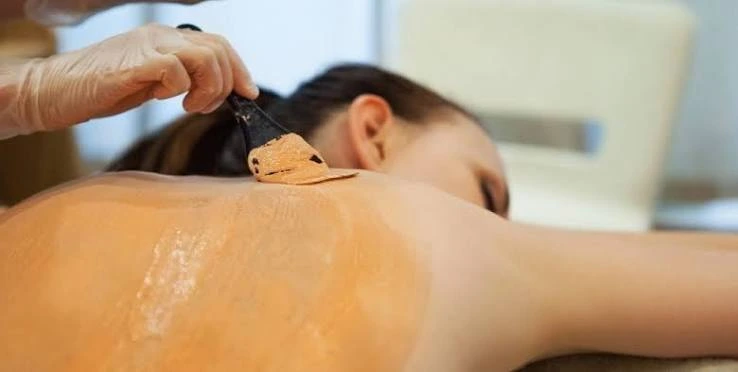
Chemical peels are among the procedures used in professional acne management. The clinic’s published body-acne guidance discusses superficial peels containing ingredients such as glycolic, salicylic or mandelic acid. The choice of peel depends on the skin concern and treatment objective.
Intralesional Injections
For selected painful, inflamed acne lesions, a dermatologist may consider an intralesional injection. This is a targeted procedure that may be used for specific lesions rather than as a routine treatment for every acne patient.
Comedone Extraction and Cyst Drainage
When appropriate, professional extraction or drainage can be considered for certain types of lesions. These procedures should be performed by a trained professional to reduce the risk of unnecessary trauma, infection or scarring.
Light-Based Treatments
The clinic’s published treatment information also discusses options such as intense pulsed light and LED light therapy for selected acne concerns. Whether such treatments are suitable depends on the patient’s diagnosis and skin characteristics.
Why Early Treatment Matters
Persistent body acne can be frustrating, particularly when breakouts are painful or repeatedly recur. Delaying treatment may also increase the possibility of post-acne pigmentation or scars in some individuals.
A dermatologist can help determine whether the problem is acne or another condition that resembles acne. This distinction matters because folliculitis, yeast-related follicular eruptions and other skin conditions may require different management.
Rather than repeatedly switching between over-the-counter products, patients with persistent, painful or widespread breakouts may benefit from professional evaluation.
Meet Dr. Niketa Sonavane
Dr. Niketa Sonavane is a dermatologist, skin specialist and hair specialist practising in Mumbai. According to her official profile, she completed her MBBS with Distinction in 2004 and subsequently completed a Diploma in Dermatology and Venereology (DDV) from Topiwala National Medical College and BYL Nair Hospital, Mumbai. She has been practising in skin and hair care since 2005.
Her professional profile states that she has more than 17 years of experience and has treated more than 10,000 patients. Between 2011 and 2014, she also undertook international training with dermatologists and plastic surgeons in countries including Australia, Singapore, Brazil, the UK, France, Spain, Canada and Germany.
Her areas of expertise include acne and pimple treatment, acne scar management, pigmentation, cosmetic dermatology, dermal fillers, dark-circle treatments and other skin and hair concerns. Her acne expertise includes hormonal evaluation, skincare planning and professional treatments such as peels.
Ambrosia Aesthetics – A Personalised Dermatology Environment
Ambrosia Aesthetics in Lokhandwala Complex, Andheri West, Mumbai, is the clinic where Dr. Sonavane provides dermatology and aesthetic care. The clinic’s published information describes personalised treatment plans based on individual skin, hair and body needs. It also highlights a consultation-focused approach in which the underlying contributors to a skin concern are assessed before treatment is planned.
For patients looking for a Dermatologist in Mumbai for persistent body or back acne, a consultation can help establish whether the breakouts are acne, folliculitis or another skin condition and determine an appropriate treatment strategy.
Lifestyle Tips for Acne-Prone Body Skin
Alongside medical treatment, everyday habits can support acne management:
- Shower after heavy exercise or sweating.
- Wear clean, breathable clothing during workouts.
- Avoid repeatedly scrubbing acne-prone areas.
- Choose skincare and body products that are suitable for acne-prone skin.
- Avoid squeezing or picking pimples.
- Change sweaty clothes promptly.
- Discuss persistent or worsening acne with a dermatologist.
Treatment plans should remain consistent with professional advice, particularly when prescription medication or procedures are involved.
Schedule Your Consultation with Dr. Niketa Sonavane
If you are dealing with persistent acne on your back, chest, shoulders or other areas of the body, professional evaluation can help identify the likely triggers and appropriate treatment options. Dr. Niketa Sonavane at Ambrosia Aesthetics offers personalised acne and dermatology care based on the patient’s skin condition and treatment needs.
📞 9930993600 | 9930992400
Consult Dr. Niketa Sonavane for an individual assessment of your body acne and guidance on suitable medical, skincare and procedural treatment options.
Frequently Asked Questions
1. What causes body acne?
Body acne can be associated with excess oil, clogged hair follicles, hormonal changes, genetics, sweating, friction and certain cosmetic or hair products. A dermatologist can evaluate the specific factors contributing to an individual’s breakouts.
2. Can body acne be treated with chemical peels?
Chemical peels may be considered for selected patients with body or back acne. The clinic’s published guidance discusses superficial peels containing ingredients such as glycolic, salicylic and mandelic acid. The appropriate peel depends on the patient’s skin and acne condition.
3. Is body acne only a problem for teenagers?
No. Although acne is particularly common during adolescence and young adulthood, it can continue into adulthood. Hormonal factors, genetics, skincare products and other triggers can contribute to acne at different ages.
4. When should I see a dermatologist for body acne?
Consider a dermatology consultation if acne is persistent, painful, widespread, repeatedly returning, leaving dark marks or scars, or not improving with basic skincare. Professional evaluation can also help determine whether the condition is acne or another skin disorder.